Headpowder, a leading manufacturer based in Shandong, China, specializes in providing advanced material handling solutions for various industrial applications. The company's expertise lies in developing efficient and reliable systems for transporting polystyrene materials, ensuring optimal performance in production lines. This article delves into the operational process and working principles of the Headpowder polystyrene material handling system equipment, highlighting its key components and functional mechanisms.
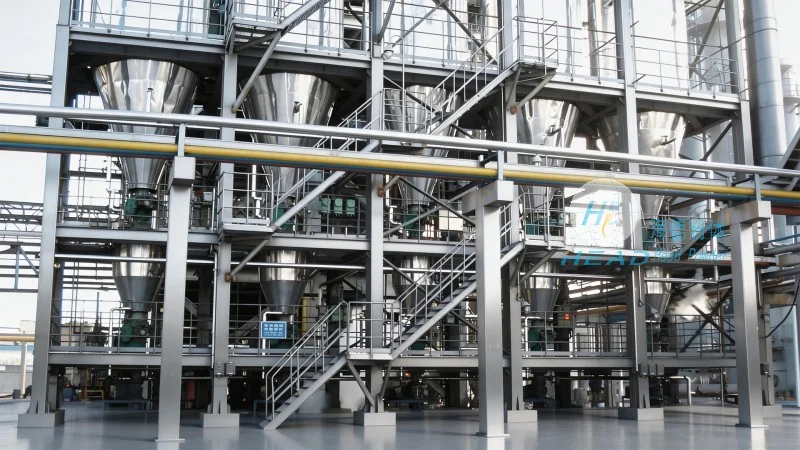
Overview of the Headpowder Polystyrene Material Handling System
The Headpowder polystyrene material handling system is designed to streamline the transportation of polystyrene materials from storage to processing units. It integrates multiple components, including feeders, conveyors, and control systems, to ensure seamless material flow. The system is engineered to handle various forms of polystyrene, such as pellets, granules, and sheets, with precision and efficiency. By leveraging advanced engineering principles, the system minimizes material loss and enhances overall productivity in industrial settings.
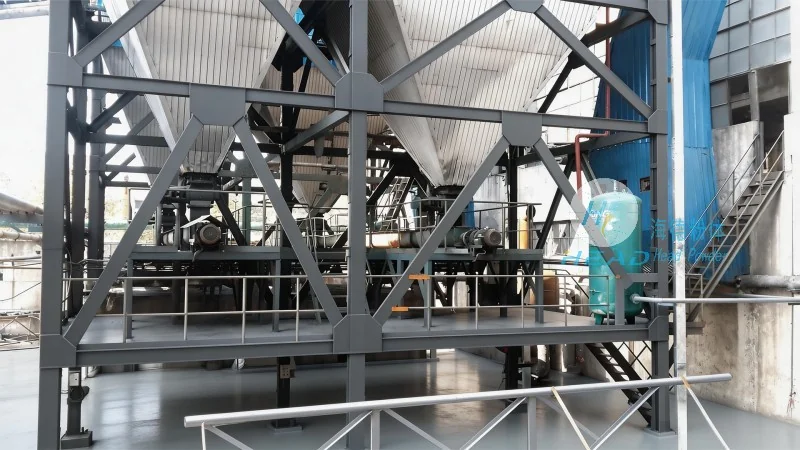
Key Components and Their Functions
The polystyrene material handling system comprises several critical components that work in tandem to achieve effective material transport. The primary components include the material hopper, which serves as the storage and feeding unit, the screw feeder or belt conveyor for material transport, and the control panel for operational management. The material hopper is equipped with a level sensor to monitor the material volume, ensuring consistent feeding rates. The screw feeder or belt conveyor is responsible for moving the polystyrene from the hopper to the processing equipment, with adjustable speed controls to match production demands. The control panel integrates sensors and actuators to regulate the system's operation, providing real-time monitoring and adjustment capabilities.
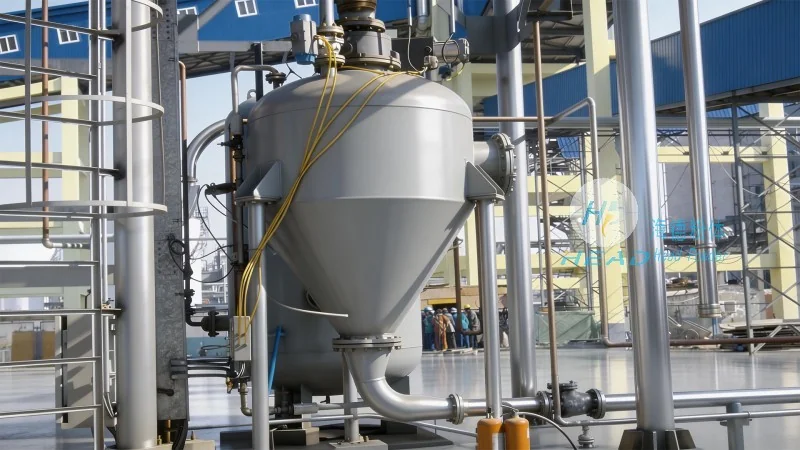
Operation Process of the Polystyrene Material Handling System
The operation of the Headpowder polystyrene material handling system follows a systematic process that ensures smooth material flow. Initially, polystyrene is loaded into the material hopper. The level sensor detects the material volume and sends signals to the control panel, which adjusts the feeder speed accordingly. As the material is fed into the conveyor system, it is transported to the processing unit. The conveyor may include features like incline or decline sections to accommodate different production line layouts. During transport, the system may incorporate air filtration or dust suppression mechanisms to maintain a clean working environment. The control panel continuously monitors parameters such as speed, pressure, and material flow rate, allowing for immediate adjustments to maintain optimal performance.
Working Principle of the System
The working principle of the Headpowder polystyrene material handling system is based on mechanical and pneumatic systems that work together to facilitate material transport. The material hopper uses gravity to feed polystyrene into the screw feeder or belt conveyor. The screw feeder, for example, employs a rotating screw to push the material forward, while the belt conveyor relies on a moving belt to transport the material. The control panel manages the speed and direction of these components, ensuring that the material is delivered at the correct rate and position. Sensors are integrated throughout the system to detect blockages, overloads, or other issues, triggering automatic shutdowns or alerts to prevent damage to the equipment or material. The system's design emphasizes energy efficiency and low maintenance, making it suitable for continuous industrial operations.
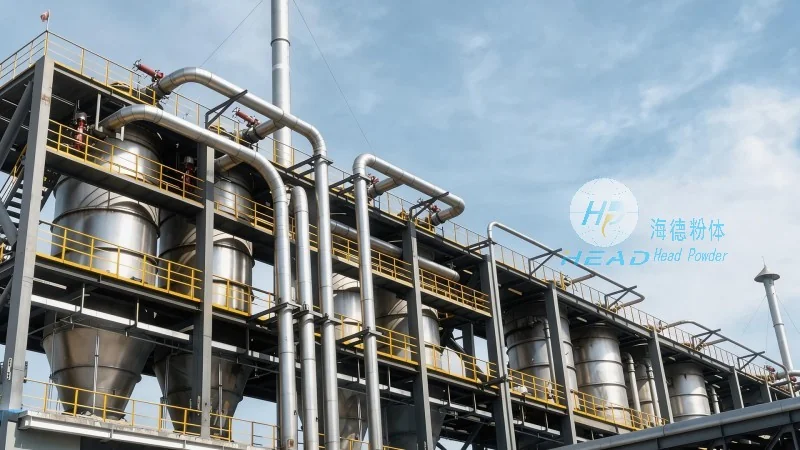
Advantages and Applications
The Headpowder polystyrene material handling system offers several advantages, including high efficiency, low maintenance costs, and adaptability to various production needs. It is widely used in industries such as plastic manufacturing, packaging, and construction, where polystyrene materials are commonly processed. The system's ability to handle different forms of polystyrene and its adjustable speed controls make it versatile for diverse applications. Additionally, the system's compact design and integration capabilities allow it to fit into existing production lines without significant modifications. By improving material handling efficiency, the system enhances overall production output and reduces operational costs for manufacturers.




