Dilute phase powder pneumatic conveying is a widely utilized technology for transporting bulk particulate materials over extended distances or through intricate piping networks. This method leverages a gas stream—most commonly air or alternative gases—to move powder materials in a dilute state, meaning individual particles are dispersed rather than clustered or agglomerated. The process is distinguished by its efficiency, adaptability, and capacity to handle diverse powder types, making it a preferred solution across various industrial sectors.
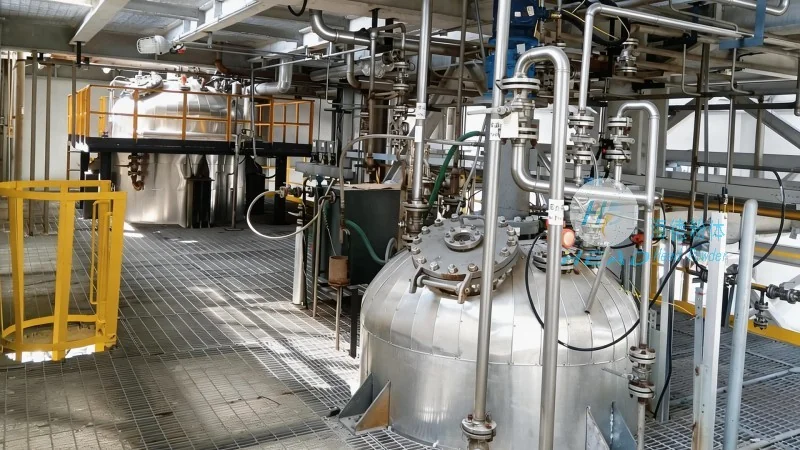
Core Components and System Overview
A dilute phase pneumatic conveying system typically comprises several integral components that collaborate to achieve effective material transport. These components include a material feeder, a conveying pipeline, a gas source (such as a blower or compressor), and a control system. The material feeder introduces the powder into the system at a regulated rate, ensuring consistent flow and preventing overloading or underloading. The conveying pipeline—often constructed from metal or plastic—transports the gas-particle mixture from the feeder to the discharge point. The gas source generates the necessary pressure and flow rate to move particles through the pipeline. The control system monitors and adjusts system operation to maintain optimal performance and mitigate issues like blockages or pressure drops.
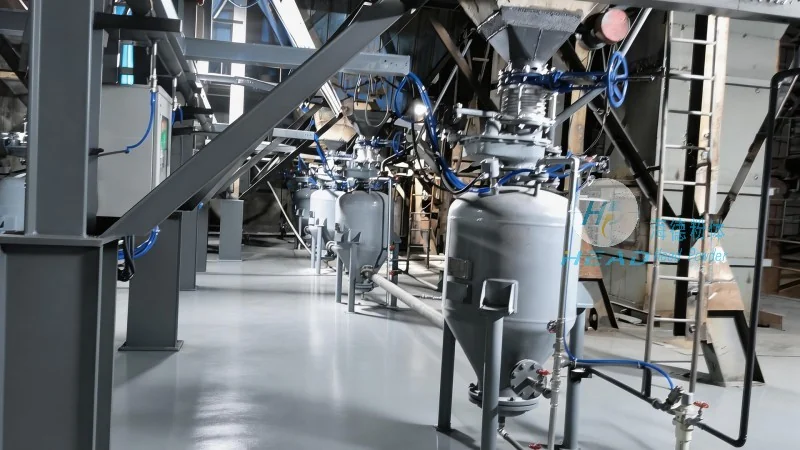
Operation Process of Dilute Phase Pneumatic Conveying
The operation process of a dilute phase powder pneumatic conveying system involves sequential steps. Initially, the powder is fed into the system via the material feeder, which may be a rotary valve, screw feeder, or hopper with a gate valve, depending on the application and powder characteristics. The feeder ensures uniform powder introduction. Next, the gas source—typically a positive displacement blower or centrifugal fan—generates airflow to transport the powder. The gas is introduced into the pipeline at a specific pressure and velocity, critical for maintaining the dilute phase condition. As the gas flows, it entrains powder particles, creating a mixture of gas and solids. This mixture travels to the discharge point, where powder is separated from the gas and collected in a receiving hopper or container. The gas is then filtered and recycled to conserve energy and reduce environmental impact.
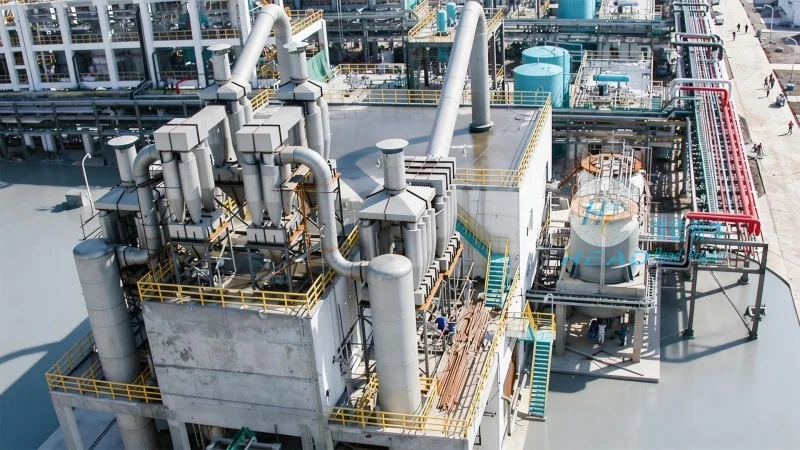
Working Principle of Dilute Phase Pneumatic Conveying
The working principle of dilute phase powder pneumatic conveying is rooted in fluidization and momentum transfer between the gas and powder particles. When gas flows through the pipeline at a sufficient velocity, it creates a drag force on particles, lifting them off pipe walls and suspending them in the gas stream—this is the dilute phase, with particles dispersed individually. The key is maintaining gas velocity above the minimum fluidization velocity, the point where gas force equals gravitational force on particles. If velocity is too low, particles settle and cause blockages; too high, excessive energy use or particle degradation occurs. The system must be designed to keep gas velocity within an optimal range for the specific powder.
Applications and Advantages of Dilute Phase Pneumatic Conveying
Dilute phase pneumatic conveying is widely used in industries like pharmaceuticals, food processing, chemical manufacturing, and mining. Its advantages include long-distance transport capability, handling of varied powder properties (moisture, particle size, density), and closed system operation to control dust and preserve product quality. The technology is flexible, adaptable to diverse process needs, and can integrate with other equipment (mixers, classifiers, storage silos). Additionally, dilute phase systems often outperform dense phase systems in energy efficiency for certain applications, requiring lower pressure and gas velocities.
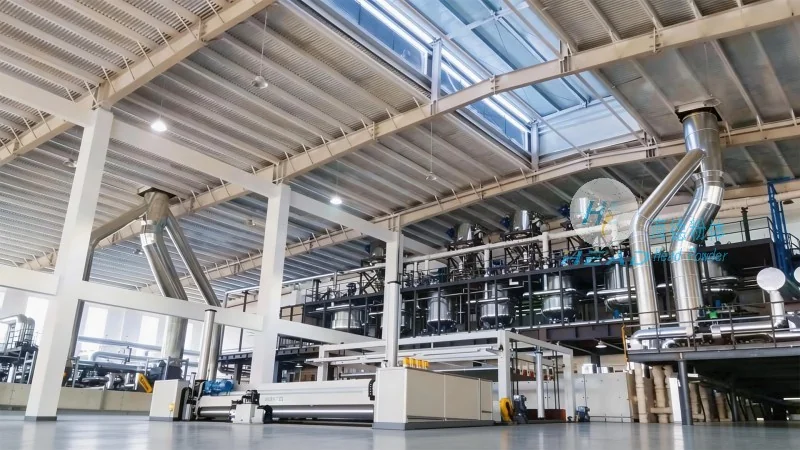
About Shandong HeadPowder Engineering Co., Ltd.
Shandong HeadPowder Engineering Co., Ltd., a leading provider of pneumatic conveying solutions, specializes in designing, manufacturing, and installing dilute phase powder conveying systems. With extensive industry experience, the company offers comprehensive products and services tailored to client needs. HeadPowder’s expertise lies in understanding unique powder characteristics and designing systems that optimize performance, reliability, and cost-effectiveness. The company’s facilities are located in Shandong, China, where it leverages advanced technology and skilled personnel to deliver high-quality solutions to customers globally.




