For industrial applications involving the handling of lantian powder, understanding the pneumatic conveying process is crucial for efficient material transport. This article provides a detailed overview of the operation process and working principle of lantian powder pneumatic conveying, highlighting key components, operational steps, and the underlying mechanisms that enable effective material movement.
Introduction to Lantian Powder Pneumatic Conveying
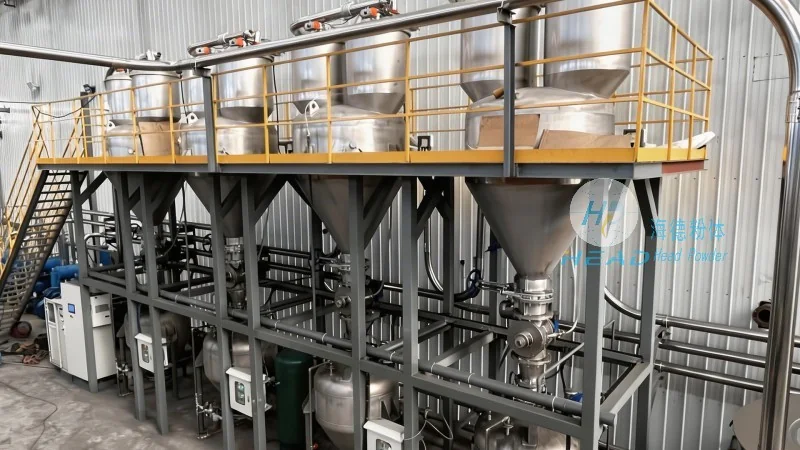
Lantian powder, a type of carbonaceous material, is commonly used in various industrial sectors such as metallurgy, chemical processing, and energy production. Pneumatic conveying offers a reliable and efficient method for transporting these powders over short to medium distances, eliminating the need for mechanical components like conveyors or elevators. The process relies on the use of compressed air or gas to move the powder particles through a pipeline system, ensuring minimal product degradation and reduced maintenance requirements compared to traditional methods.
Key Components of the Pneumatic Conveying System
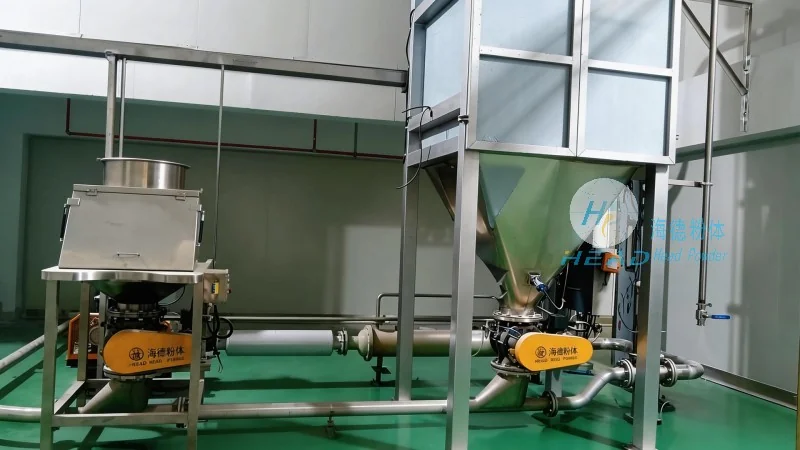
The lantian powder pneumatic conveying system consists of several critical components that work in tandem to achieve efficient material transport. These components include the material feed hopper, which stores and feeds the lantian powder into the system; the air compressor or blower, which generates the necessary pressure to move the powder; the conveying pipeline, which transports the powder and air mixture; the separation or collection equipment, such as cyclones or filters, which separate the powder from the air; and the discharge outlet, where the material is deposited at the destination. Each component plays a vital role in maintaining the system's performance and ensuring consistent operation.
Operation Process of Lantian Powder Pneumatic Conveying
The operation process of lantian powder pneumatic conveying involves several sequential steps that ensure smooth material transport. Initially, the lantian powder is fed from the hopper into the conveying line through a feeder or valve. Simultaneously, compressed air is introduced into the system, creating a pressure differential that propels the powder particles forward. As the powder moves through the pipeline, it is suspended in the air stream, preventing agglomeration and ensuring uniform flow. The conveying system can operate in either positive pressure or negative pressure modes, depending on the application requirements and system design. Positive pressure systems use air to push the powder, while negative pressure systems use suction to draw the powder. The choice of mode depends on factors such as the distance to be covered, the material's properties, and the system's energy efficiency.
Working Principle of the Pneumatic Conveying Mechanism
The working principle of lantian powder pneumatic conveying is based on the principles of fluid dynamics and particle motion. When compressed air is introduced into the conveying pipeline, it creates a high-velocity air stream that interacts with the lantian powder particles. The air flow exerts a drag force on the particles, lifting them off the pipeline walls and suspending them in the air. The particles are then carried along the pipeline by the air stream, maintaining a stable suspension that prevents clogging or blockages. The separation process occurs at the receiving end, where the air and powder mixture passes through a cyclone or filter. The cyclone uses centrifugal force to separate the powder from the air, collecting the powder in a hopper and releasing the air back into the system or to the atmosphere. This separation step is critical for maintaining the purity of the lantian powder and ensuring that the air is properly filtered before release.
Advantages of Lantian Powder Pneumatic Conveying
Pneumatic conveying offers several advantages over traditional material handling methods, making it an ideal choice for lantian powder transport. One of the primary benefits is the ability to handle abrasive or corrosive materials without causing damage to the system components. The enclosed pipeline system also prevents dust emissions, reducing environmental impact and improving workplace safety. Additionally, pneumatic conveying systems are relatively simple to install and maintain, with fewer moving parts compared to mechanical conveyors. The process is also highly flexible, allowing for changes in material flow rates or destination points without significant modifications to the system. These advantages make lantian powder pneumatic conveying a cost-effective and efficient solution for industrial applications.
Applications of Lantian Powder Pneumatic Conveying
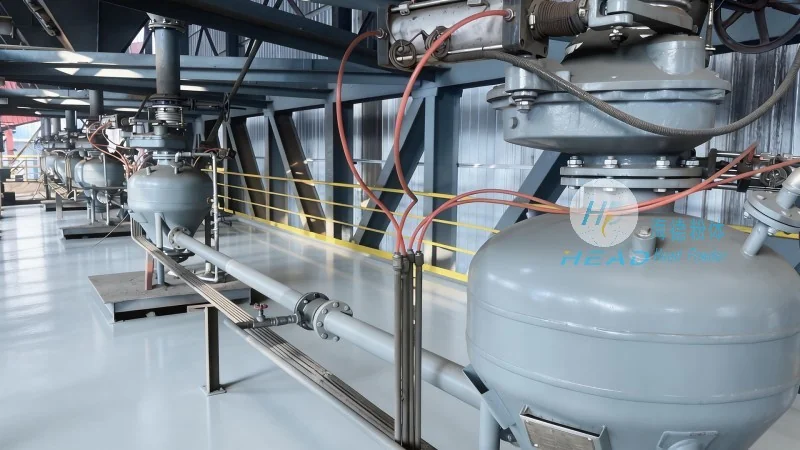
Lantian powder pneumatic conveying is widely used in various industrial applications where the transport of fine powders is required. In the metallurgical industry, it is used to transport coke or coal powders for use in blast furnaces or other processing equipment. In the chemical industry, it is employed to move lantian powder for use in the production of chemicals or as a raw material in manufacturing processes. The energy sector also utilizes pneumatic conveying for transporting coal or other powders to power plants for combustion. The flexibility and efficiency of the system make it suitable for a wide range of applications, from small-scale operations to large industrial facilities.
Conclusion and Company Overview
Understanding the operation process and working principle of lantian powder pneumatic conveying is essential for optimizing material transport in industrial settings. The system's ability to handle fine powders efficiently, with minimal maintenance and environmental impact, makes it a preferred choice for many applications. As a leading provider of engineering solutions for material handling, Shandong HeadPowder Engineering Co., Ltd. specializes in designing and implementing pneumatic conveying systems tailored to the specific needs of clients. With a focus on quality and innovation, the company ensures that its systems meet the highest standards of performance and reliability. Based in Shandong, China, HeadPowder offers comprehensive services, including system design, installation, and maintenance, to support clients in achieving efficient and cost-effective material transport solutions. By leveraging the expertise and experience of HeadPowder, industries can enhance their operational efficiency and reduce costs associated with material handling.




