Shandong HeadPowder Engineering Co., Ltd., commonly known as HeadPowder, specializes in the design and manufacturing of advanced material handling equipment for the lithium-ion battery industry. The company, headquartered in Shandong, China, has established itself as a key supplier of high-efficiency conveying systems tailored for the positive electrode material processing stage in battery production. This article provides an in-depth look at the operation process and working principle of the lithium-ion battery positive electrode material conveying system equipment, highlighting its critical role in ensuring smooth and efficient material flow within battery manufacturing lines.
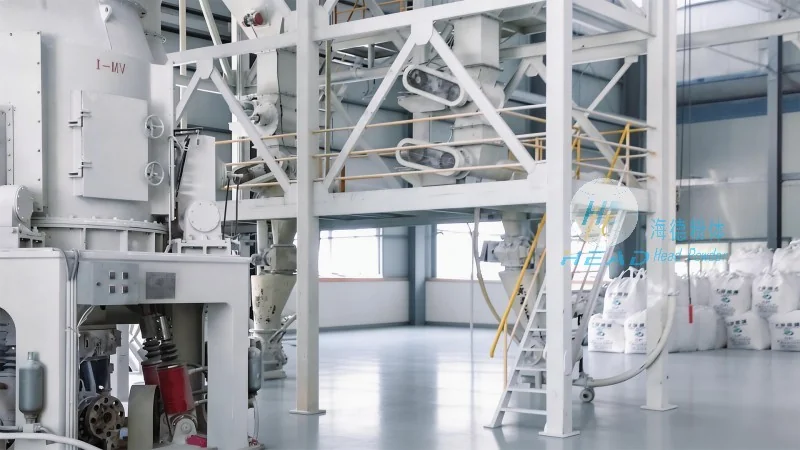
Overview of the Positive Electrode Material Conveying System
The lithium-ion battery positive electrode material conveying system is a specialized piece of equipment designed to transport raw materials and intermediate products used in the production of lithium-ion battery positive electrodes. These materials typically include active materials such as lithium cobalt oxide (LiCoO₂), lithium nickel manganese cobalt oxide (NMC), and lithium iron phosphate (LFP), along with binders, conductive agents, and other additives. The system is engineered to handle these materials in a controlled manner, ensuring minimal contamination and maintaining the integrity of the material properties, which are crucial for the performance of the final battery cells.
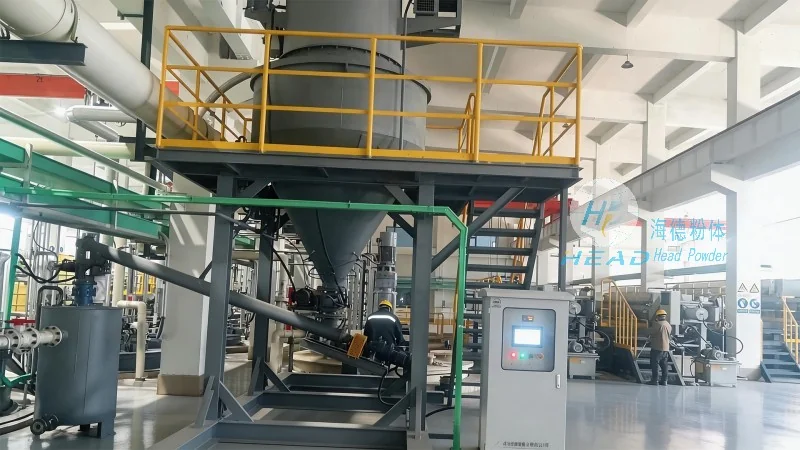
Key Components and Their Functions
The positive electrode material conveying system typically consists of several key components, each playing a vital role in the overall operation. These components include material feeders, conveyor belts or screw conveyors, dust collection systems, and control panels. The material feeder is responsible for uniformly feeding the raw materials into the conveying system, ensuring a consistent flow rate. The conveyor mechanism, whether a belt or screw, transports the materials through the system, maintaining the required speed and direction. The dust collection system is integrated to capture and filter any airborne particles, ensuring a clean and safe working environment. The control panel allows operators to monitor and adjust the system parameters in real-time, optimizing performance and preventing operational issues.
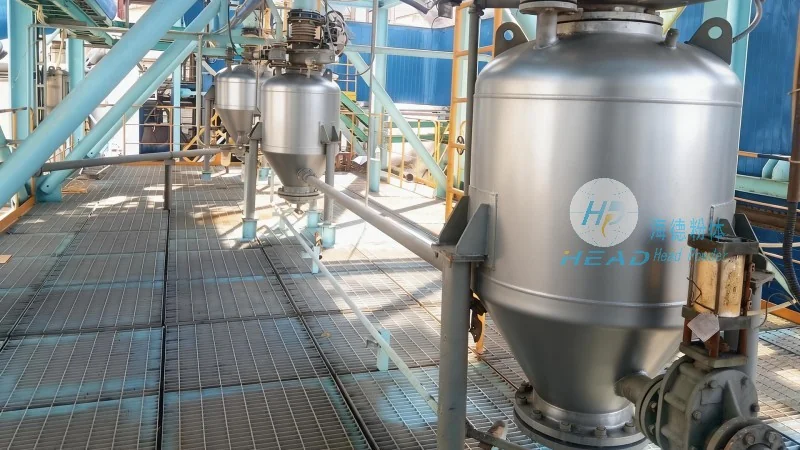
Operation Process: Step-by-Step Workflow
The operation of the lithium-ion battery positive electrode material conveying system follows a systematic workflow to ensure efficient material handling. The process begins with the loading of raw materials into the material hopper. The feeder then dispenses the material at a controlled rate into the conveyor system. As the material moves through the conveyor, it is transported to the next processing stage, such as mixing or coating. The system is equipped with sensors and monitoring devices that track the material level, flow rate, and any potential blockages, providing real-time feedback to the control panel. Operators can adjust the settings as needed to maintain optimal performance. The entire process is designed to be continuous and automated, minimizing downtime and maximizing productivity.
Working Principle: Mechanisms and Technologies
The working principle of the positive electrode material conveying system is based on mechanical and pneumatic technologies to ensure reliable material transport. The conveyor mechanism, often a screw or belt conveyor, uses rotational motion to move the material along the system. The screw conveyor, for example, consists of a rotating screw within a housing, which pushes the material forward as it rotates. This mechanism is effective for handling powders and granules, providing consistent and controlled movement. The belt conveyor uses a continuous belt that moves over rollers, transporting the material in a linear path. Both mechanisms are designed to handle the specific characteristics of battery materials, such as their fine particle size and potential for dust generation. The system also incorporates dust suppression technologies, such as sealed housings and filtration systems, to minimize environmental impact and ensure operator safety. The control system, typically based on PLC (Programmable Logic Controller) technology, coordinates the operation of all components, ensuring synchronization and efficient material flow.
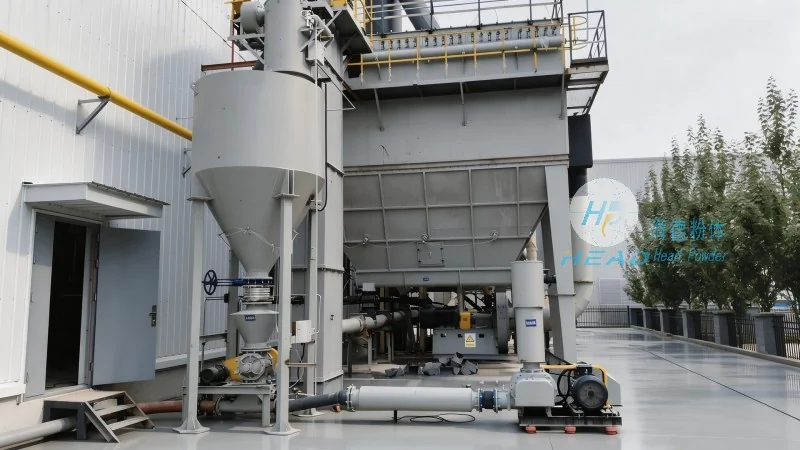
Technical Advantages and Industry Applications
The lithium-ion battery positive electrode material conveying system offers several technical advantages that make it essential for modern battery manufacturing. These advantages include high efficiency, low maintenance requirements, and the ability to handle a wide range of materials. The system is designed to operate in a clean and controlled environment, which is critical for maintaining the quality of the battery materials. Additionally, the system's modular design allows for easy integration into existing production lines, enabling manufacturers to upgrade their facilities without significant disruptions. The equipment is widely used in the production of various types of lithium-ion batteries, including those for electric vehicles, consumer electronics, and energy storage systems. Its reliability and performance contribute to the overall efficiency of the battery manufacturing process, helping to meet the growing demand for high-performance batteries in the market.




