Iron sand powder pneumatic conveying systems represent a sophisticated method for transporting fine particulate materials like iron sand. These systems are widely utilized in industrial applications due to their efficiency, flexibility, and ability to handle materials that are difficult to transport using traditional methods. The operation process and working principles of such systems are crucial for understanding their functionality and optimizing performance.
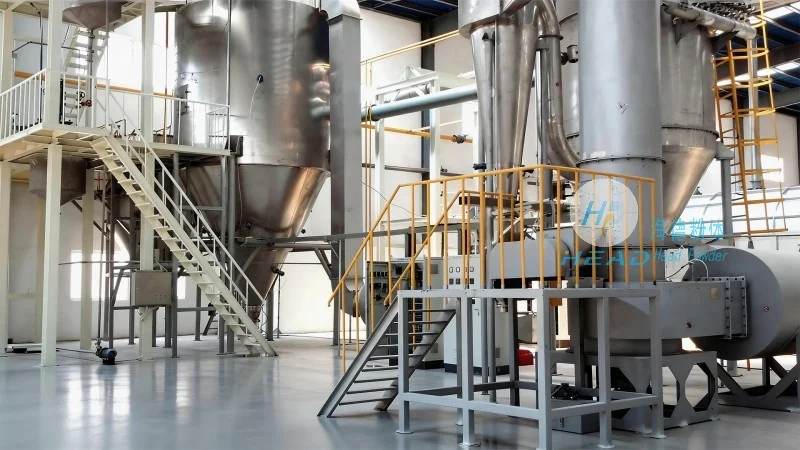
Key Components of Pneumatic Conveying Systems
At the core of an iron sand powder pneumatic conveying system are several essential components that work in tandem to facilitate material transport. The primary components include the material hopper, which serves as the storage and feeding unit; the conveying pipeline, which provides the pathway for the material and air; the air compressor or blower, which generates the necessary airflow; and the control system, which regulates the operation of the entire system. Each component plays a vital role in ensuring the smooth and efficient movement of iron sand powder through the system.
Working Principle of Pneumatic Conveying
The working principle of iron sand powder pneumatic conveying involves the use of compressed air to move the material. When the air compressor operates, it generates a high-pressure air stream that is introduced into the conveying pipeline. The material is then fed into the pipeline, typically via a rotary valve or a feeder, and is entrained by the air flow. The air and material mixture travels through the pipeline to the discharge point, where the material is separated from the air and collected. The air is then either filtered and recirculated or vented to the atmosphere, depending on the system design.
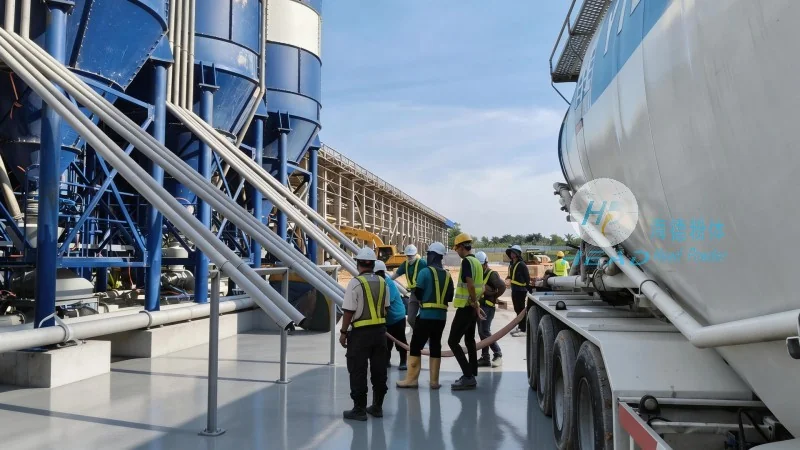
Operation Process of Iron Sand Powder Pneumatic Conveying
The operation process of an iron sand powder pneumatic conveying system typically involves several sequential steps. First, the iron sand powder is loaded into the material hopper. The hopper is equipped with a level indicator to monitor the material volume. Next, the air compressor is started, and the airflow is adjusted to the appropriate pressure and volume for the specific material and system configuration. The material feeder is then activated, allowing the iron sand powder to be fed into the conveying pipeline. As the material is entrained by the air, it moves through the pipeline to the discharge point. At the discharge end, a separator or cyclone is used to separate the material from the air, ensuring that the iron sand powder is collected in the receiving container. The air, now filtered if necessary, is then returned to the system or released safely.
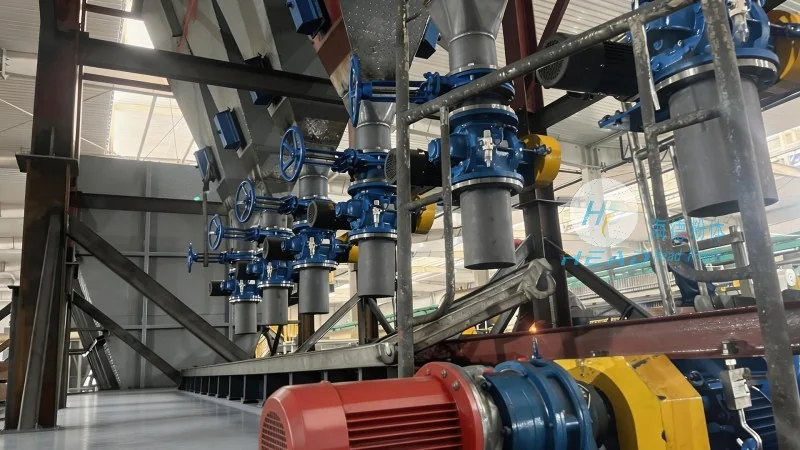
Advantages of Iron Sand Powder Pneumatic Conveying
Iron sand powder pneumatic conveying systems offer several advantages over traditional material handling methods. These include the ability to transport materials over long distances without the need for intermediate transfer points, reduced risk of material contamination due to enclosed systems, and improved safety by eliminating the need for manual handling of fine powders. Additionally, these systems can handle materials with varying particle sizes and moisture content, making them versatile for different industrial applications. The flexibility of pneumatic conveying also allows for easy integration with other processing equipment, enhancing overall system efficiency.
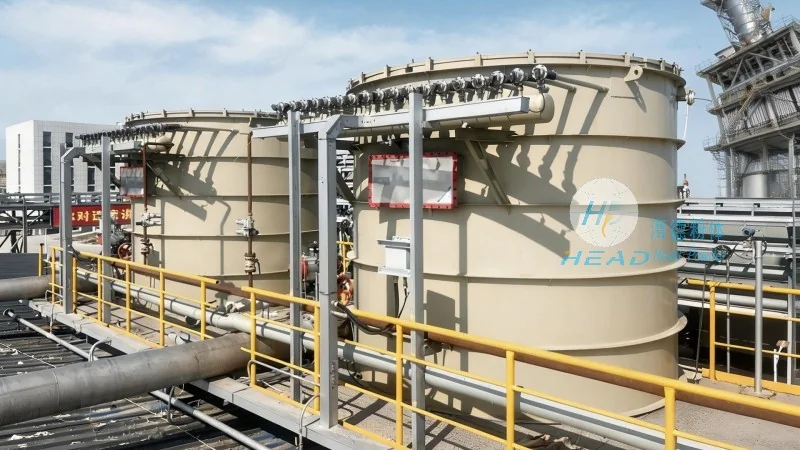
Applications in Industrial Settings
Iron sand powder pneumatic conveying systems are widely used in various industrial sectors, including mining, metallurgy, and chemical processing. In the mining industry, these systems are employed to transport iron sand from storage facilities to processing plants. In metallurgy, they are used to convey iron sand for further processing, such as smelting or refining. The chemical industry also utilizes pneumatic conveying for handling iron sand-based materials in production processes. The adaptability of these systems to different industrial needs makes them a preferred choice for material transport in these sectors.
Maintenance and Operational Considerations
Proper maintenance is essential to ensure the reliable and efficient operation of iron sand powder pneumatic conveying systems. Regular inspection of components such as the air compressor, conveying pipeline, and material feeder is necessary to identify and address any potential issues. The air filter system should be checked and replaced as needed to prevent clogging and maintain optimal airflow. Additionally, the material hopper and feeder should be cleaned periodically to avoid material buildup and ensure consistent feeding. Operational considerations also include monitoring the system's pressure and airflow to ensure they remain within the recommended parameters. By adhering to proper maintenance practices, the lifespan and performance of the system can be significantly extended.




