Operation Process and Working Principle of Soap Granule Powder Pneumatic Conveying
Release time:2026-09-21 04:01:40
name of the company:Shandong Headpowder Engineering Co., Ltd.
telephone:156-6277-7102
contacts:Zhang manager
For industries dealing with soap granule powders, efficient material handling is crucial for maintaining production efficiency and product quality. Pneumatic conveying systems offer a reliable solution to transport these materials, ensuring smooth operations from the source to the destination. This article delves into the operation process and working principle of soap granule powder pneumatic conveying, highlighting the key components and mechanisms that enable effective material transport. The information presented is based on the expertise of Shandong HeadPowder Engineering Co., Ltd., a leading provider of pneumatic conveying solutions for industrial applications.
Introduction to Pneumatic Conveying Systems
Pneumatic conveying systems are widely used in various industrial applications to transport bulk materials, including powders, granules, and small particles. These systems utilize air or gas as the conveying medium to move materials through a pipeline network. The technology is particularly advantageous for soap granule powders due to its ability to handle delicate materials without causing degradation or contamination. By understanding the operation process and working principles, users can optimize the system for their specific needs, ensuring reliable and efficient material handling.
Key Components of a Pneumatic Conveying System
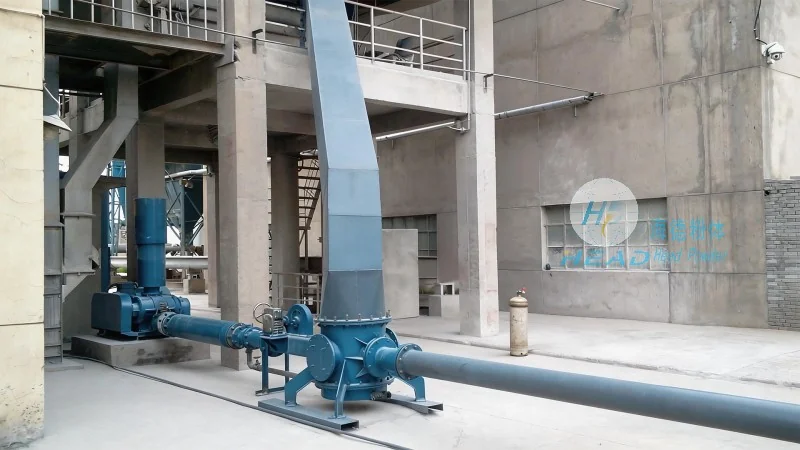
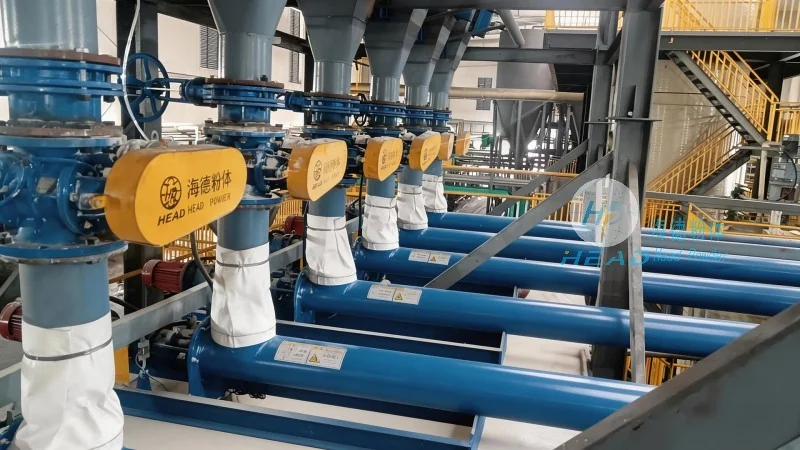
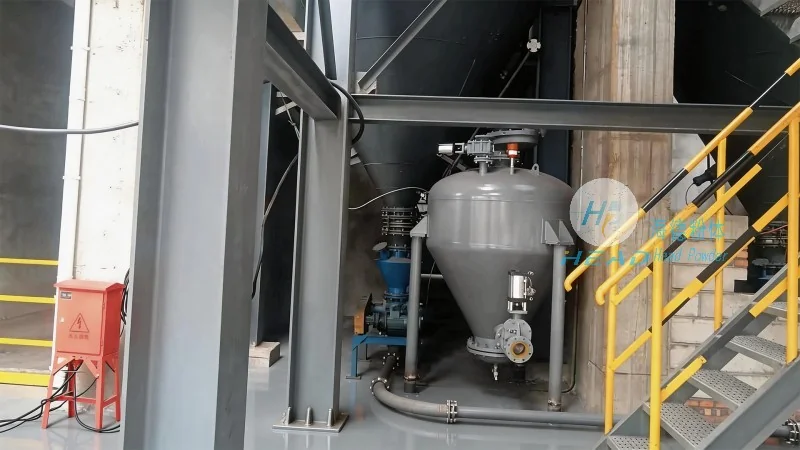
A typical pneumatic conveying system for soap granule powders consists of several essential components that work in tandem to achieve efficient transport. These components include a material feed hopper, a conveying pipeline, a pressure or vacuum source, a control system, and a discharge unit. Each component plays a critical role in the overall operation, and their proper integration is vital for the system's performance.




