Wheat flour bulk pneumatic conveying is a critical technology in the food processing industry, particularly for handling fine powders like wheat flour. This method involves transporting dry bulk materials through a pipeline system using air as the conveying medium. The process is efficient, hygienic, and suitable for applications requiring dust-free and controlled material movement. Understanding the operation process and working principle of this system is essential for optimizing performance and ensuring consistent quality in flour handling operations.
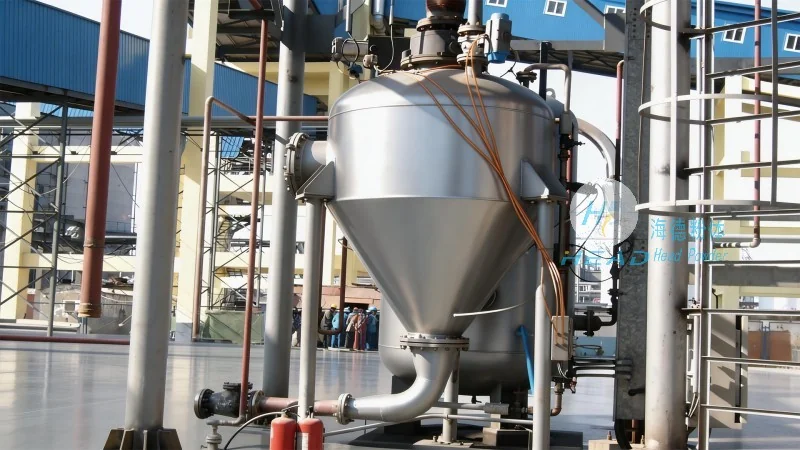
About HeadPowder: A Leading Provider of Pneumatic Conveying Solutions
HeadPowder, a division of Shandong HeadPowder Engineering Co., Ltd., is a renowned manufacturer specializing in pneumatic conveying systems for the food and pharmaceutical industries. With a strong presence in China, particularly in Shandong, the company has built a reputation for delivering high-quality, reliable equipment tailored to the unique needs of bulk material handling. HeadPowder's expertise lies in designing and manufacturing systems that ensure efficient, safe, and hygienic transport of fine powders, such as wheat flour, while maintaining compliance with industry standards.
What is Wheat Flour Bulk Pneumatic Conveying?
Bulk pneumatic conveying for wheat flour involves the use of a vacuum or pressure system to move flour particles through a pipeline. The system typically consists of a hopper, a conveyor line, and a receiver. The process begins with the flour being loaded into the hopper, where it is then drawn or pushed through the pipeline by air pressure or vacuum. This method eliminates the need for mechanical components like belts or buckets, reducing maintenance and increasing operational efficiency. The key advantage of this technology is its ability to handle fine, dusty materials without generating excessive dust or contamination, making it ideal for food-grade applications.
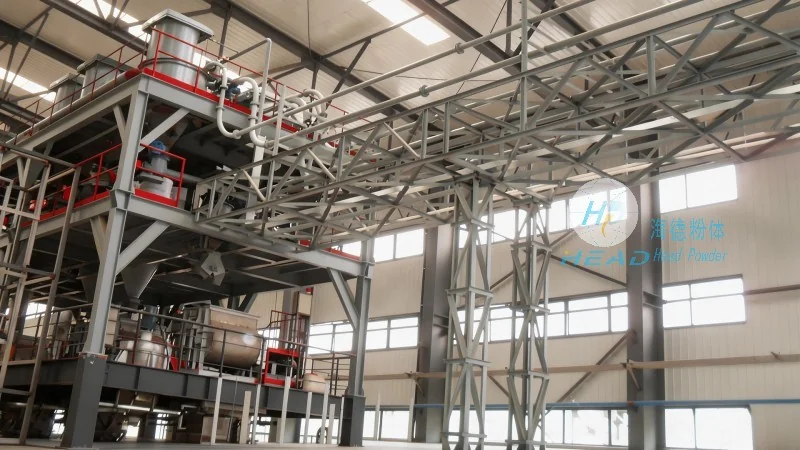
The Operation Process of Wheat Flour Pneumatic Conveying
The operation process of a wheat flour pneumatic conveying system can be broken down into several key steps. First, the wheat flour is stored in a hopper or silo, where it is prepared for transport. The system then uses a vacuum or pressure source to create the necessary airflow. In a vacuum system, a fan creates a negative pressure that pulls the flour from the source into the pipeline. In a pressure system, a blower pushes air into the pipeline, forcing the flour to move. The flour particles are suspended in the air stream and transported to the destination, such as a storage silo or processing unit. The system is designed to maintain consistent flow rates and pressure levels to ensure smooth operation and prevent clogging or blockages. Regular maintenance, including cleaning the pipeline and checking for air leaks, is essential to keep the system running efficiently.
Working Principle of Wheat Flour Pneumatic Conveying Systems
The working principle of wheat flour pneumatic conveying systems is based on the physics of fluid dynamics and particle transport. The system relies on the principle of fluidization, where the air flow creates a suspension of the flour particles in the pipeline. The velocity of the air stream must be sufficient to keep the particles suspended and prevent them from settling or clogging the pipeline. The pressure or vacuum level is carefully controlled to maintain the desired flow rate and ensure that the flour particles move at a consistent speed. The system also includes components such as filters and cyclones to separate the flour from the air stream, ensuring that the flour is delivered to the destination without contamination. The design of the system, including the size of the pipeline and the type of air source, is critical to achieving optimal performance and minimizing energy consumption.
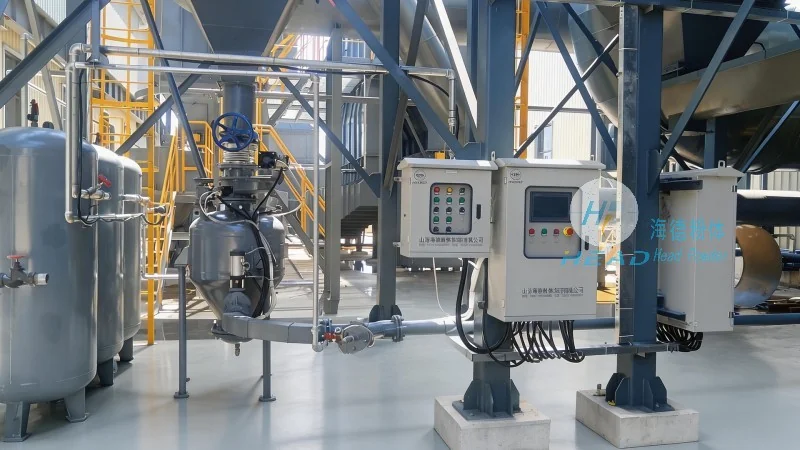
Key Components of a Wheat Flour Pneumatic Conveying System
A typical wheat flour pneumatic conveying system includes several key components that work together to ensure efficient operation. The primary components are the hopper or silo, the air source (vacuum or pressure), the pipeline, and the receiver. The hopper is used to store and feed the wheat flour into the system. The air source provides the necessary airflow to move the flour through the pipeline. The pipeline is designed to handle the flow of flour and air, with appropriate diameter and material to prevent clogging or corrosion. The receiver is used to collect the flour at the destination, such as a storage silo or processing unit. Additional components may include filters, cyclones, and control valves to regulate the flow and pressure of the system. These components are designed to work together to ensure that the wheat flour is transported safely and efficiently, with minimal loss or contamination.
Benefits of Using Wheat Flour Bulk Pneumatic Conveying
Wheat flour bulk pneumatic conveying offers several benefits over traditional mechanical conveying methods. One of the main advantages is its ability to handle fine, dusty materials without generating excessive dust or contamination. This is particularly important in food processing applications, where hygiene and safety are paramount. The system is also more efficient than mechanical conveying, as it eliminates the need for moving parts like belts or buckets, reducing maintenance and energy consumption. Additionally, pneumatic conveying systems can be designed to handle large volumes of material, making them suitable for high-throughput operations. The system is also flexible, as it can be easily modified to accommodate changes in production volume or material type. Overall, the benefits of using wheat flour bulk pneumatic conveying make it an ideal choice for food processing facilities looking to improve efficiency and maintain quality.
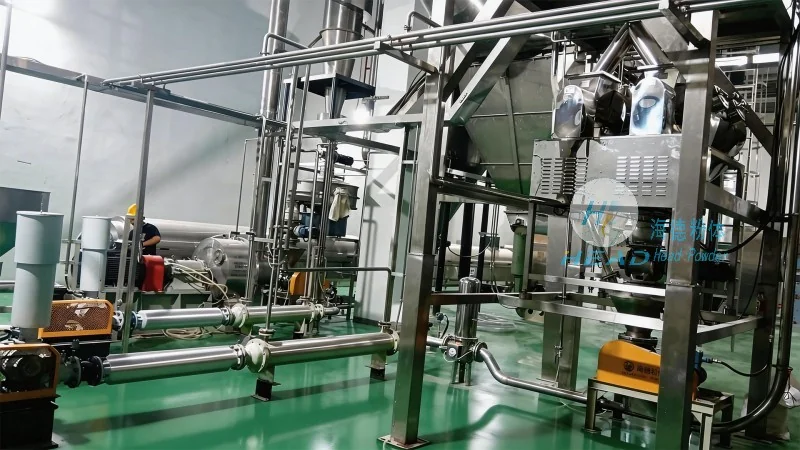
Applications of Wheat Flour Pneumatic Conveying
Wheat flour bulk pneumatic conveying is widely used in various applications within the food and pharmaceutical industries. One of the most common applications is in flour mills, where the system is used to transport wheat flour from storage silos to processing units or packaging lines. The system is also used in bakeries and food processing plants to move flour from storage to production areas. In the pharmaceutical industry, pneumatic conveying systems are used to transport fine powders, such as those used in drug manufacturing, to ensure a dust-free and controlled environment. The system is also used in other industries, such as chemical and agricultural, where fine powders need to be transported safely and efficiently. The versatility of the system makes it suitable for a wide range of applications, from small-scale operations to large industrial facilities.
Conclusion: The Importance of Understanding Wheat Flour Pneumatic Conveying
Wheat flour bulk pneumatic conveying is a critical technology in the food processing industry, offering efficient, hygienic, and reliable transport of fine powders. Understanding the operation process and working principle of this system is essential for optimizing performance and ensuring consistent quality in flour handling operations. HeadPowder, with its expertise in pneumatic conveying systems, provides high-quality solutions tailored to the unique needs of food processing facilities. By investing in a well-designed pneumatic conveying system, food manufacturers can improve efficiency, reduce costs, and maintain the highest standards of quality and safety.




