Fly ash, a byproduct of coal combustion in thermal power plants, requires efficient and reliable handling systems to ensure safe and environmentally compliant disposal or utilization. The fly ash material handling system is a critical component in managing this process, designed to transport ash from its source to storage or processing facilities. This system integrates various equipment and control mechanisms to achieve optimal performance, minimizing operational risks and maximizing efficiency.
Key Components and Their Functions
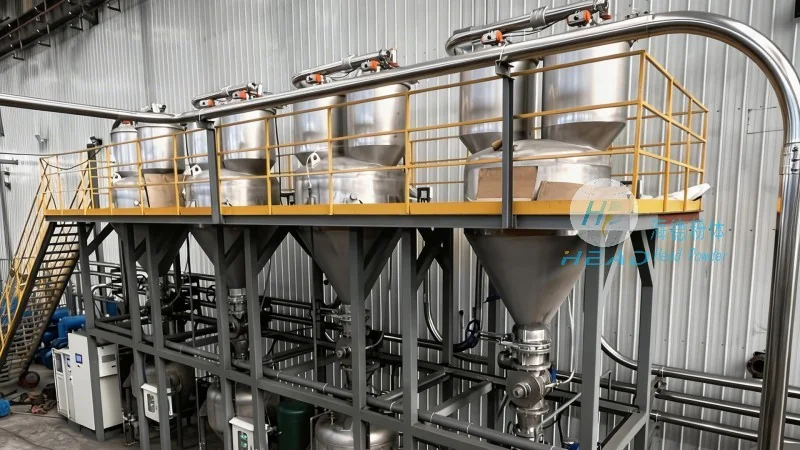
The fly ash material handling system typically consists of several key components, each playing a vital role in the overall operation. These include ash collection hoppers, conveyor systems (such as belt conveyors or pneumatic conveyors), dust collection units, and control panels. The collection hoppers are strategically placed to capture ash from boilers or other sources, while conveyor systems transport the ash to designated locations. Dust collection systems are integrated to control airborne particulates, ensuring compliance with environmental regulations. Control panels manage the entire system, allowing operators to monitor and adjust parameters in real-time.
Operation Process of the Fly Ash Material Handling System
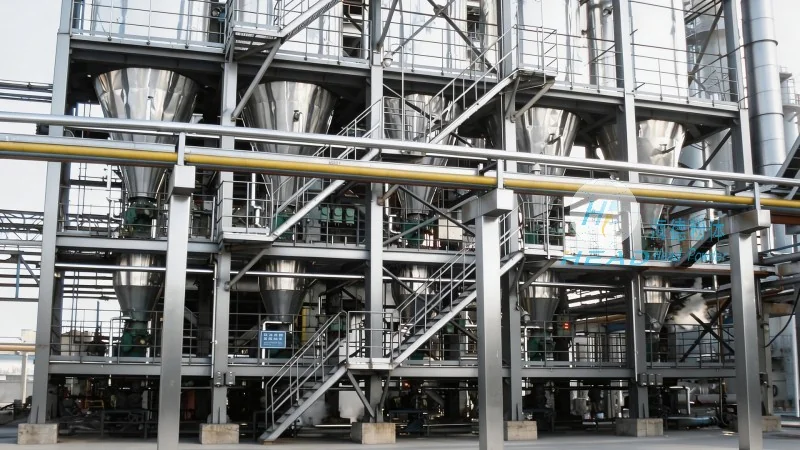
The operation of the fly ash material handling system follows a systematic process, starting with ash collection and ending with delivery to the storage or processing area. Initially, ash is collected from the boiler or other emission points and funneled into the collection hoppers. From there, the ash is transferred to the conveyor system, which moves it through the system. The conveyor may be a belt conveyor, which uses a motor-driven belt to transport the ash, or a pneumatic conveyor, which uses air pressure to move the ash through pipes. The system is designed to handle varying ash volumes and compositions, ensuring consistent performance. During operation, the control panel monitors key parameters such as flow rate, pressure, and temperature, allowing operators to make adjustments as needed. The system also includes safety features, such as emergency stop buttons and overload protection, to prevent accidents and equipment damage.
Working Principle of the System
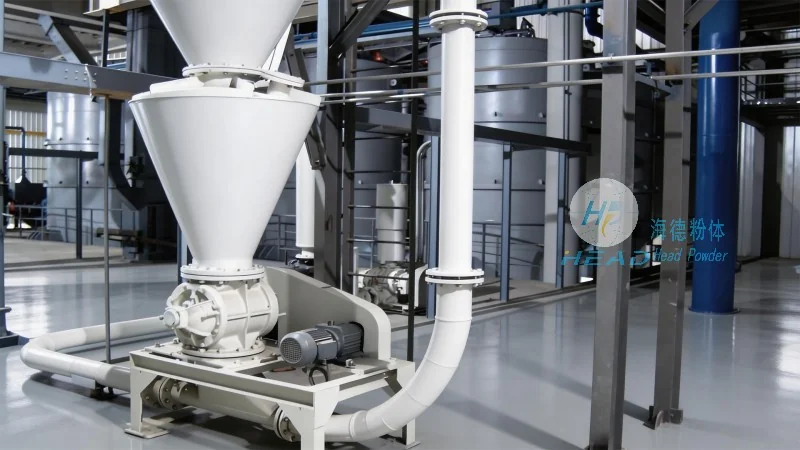
The working principle of the fly ash material handling system is based on the integration of mechanical, pneumatic, and control technologies. The mechanical components, such as the conveyor belts or pipes, physically transport the ash from the collection point to the destination. The pneumatic components, if used, utilize air pressure to move the ash through the system, providing flexibility in layout and reducing the need for complex machinery. The control system uses sensors and actuators to monitor and regulate the operation, ensuring that the system operates within safe and efficient parameters. The system is designed to be automated, with minimal human intervention required, reducing labor costs and improving operational consistency. The control panel provides real-time data on system performance, allowing operators to identify and address issues promptly.
About Shandong HeadPowder Engineering Co., Ltd.
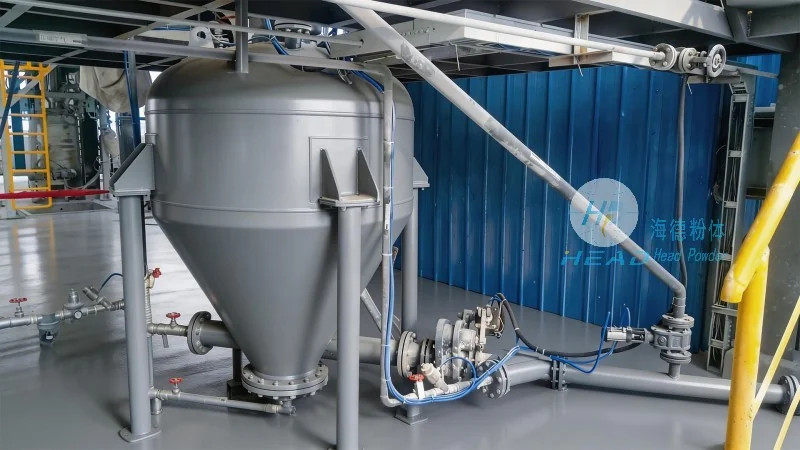
Shandong HeadPowder Engineering Co., Ltd., commonly known as headpowder, is a leading manufacturer and supplier of fly ash material handling systems. With a strong presence in China, the company is headquartered in Shandong province, providing high-quality solutions for power plants and other industrial facilities. Headpowder specializes in designing and manufacturing customized systems that meet the specific needs of clients, ensuring optimal performance and compliance with industry standards. The company's team of engineers and technicians has extensive experience in the field, providing expert guidance and support throughout the project lifecycle. Headpowder's commitment to quality and innovation has made it a trusted partner for many clients in the power and industrial sectors.




