

Powder Material Pneumatic Conveying for Coatings: What It Is and Its Design Principles
HeadPowder, a leading provider of industrial conveying solutions, specializes in powder material pneumatic conveying systems tailored for the coatings industry. This technology is a critical component in modern manufacturing processes, enabling efficient and reliable transport of dry powder materials used in coating applications. Understanding the fundamentals of this system and its design principles is essential for optimizing production efficiency and ensuring product quality.
What Is Powder Material Pneumatic Conveying?
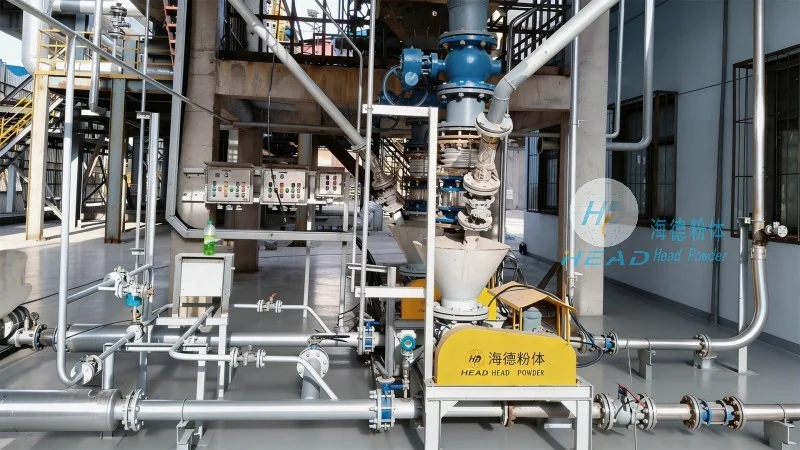
Powder material pneumatic conveying is a method of transporting dry powder materials through a pipeline using a pressurized or vacuum system. In the context of coatings, this technology is used to move raw materials such as pigments, fillers, and binders from storage silos or hoppers to processing equipment like mixers, mills, or spray booths. The process involves introducing the powder into a conveying line, where it is carried by a flow of air or gas. This method offers several advantages over traditional mechanical conveying, including reduced contamination risk, improved material handling flexibility, and the ability to transport materials over long distances without the need for complex equipment.
Key Design Principles of Pneumatic Conveying Systems
The design of a pneumatic conveying system for coatings powder involves several critical principles to ensure optimal performance and reliability. First, the system must be tailored to the specific properties of the powder being conveyed, including its particle size, density, and flowability. This is crucial because different powders have varying aerodynamic characteristics that affect their transport behavior. For example, fine powders may require higher air velocities to prevent settling or clogging, while coarser powders can be conveyed at lower velocities with less risk of blockage.
Second, the system must maintain consistent pressure and airflow to ensure uniform material transport. This is achieved through the use of appropriate blower or vacuum equipment, as well as properly sized pipelines and fittings. The design also considers the need for pressure relief and safety features to prevent over-pressurization or vacuum collapse, which could lead to system failure or material loss. Additionally, the system must incorporate cleaning mechanisms to prevent powder buildup and ensure long-term operational efficiency.
Components and Functionality of Pneumatic Conveying Systems
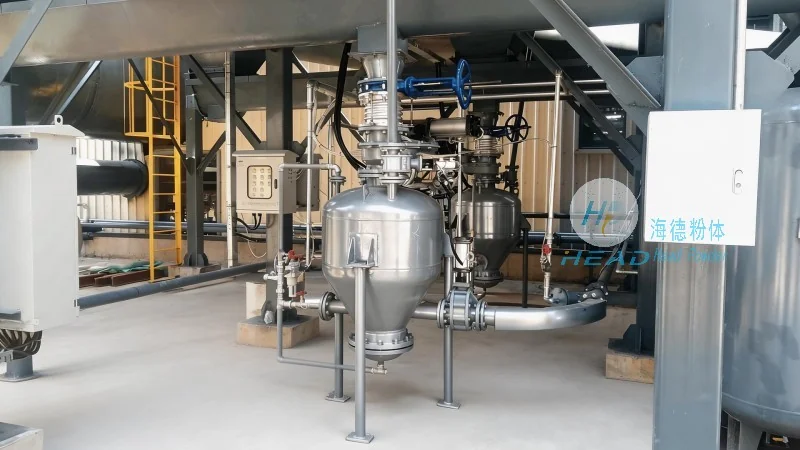
A typical pneumatic conveying system for coatings powder consists of several key components, each playing a vital role in the overall operation. The primary components include a material feed hopper, a conveying line (often with multiple sections for different conveying modes), a blower or vacuum pump, and a receiver or discharge hopper. The feed hopper is designed to store and meter the powder, ensuring a consistent flow rate into the conveying line. The conveying line is typically made of stainless steel or other corrosion-resistant materials to withstand the chemical properties of coating powders and prevent contamination.
The blower or vacuum pump provides the necessary pressure or suction to move the powder through the line. The choice between positive pressure and negative pressure systems depends on the application requirements and the distance to be covered. Positive pressure systems are commonly used for short to medium distances, as they can handle higher material loads and are less prone to clogging. Negative pressure systems, on the other hand, are suitable for longer distances and are often used when the material is sensitive to air exposure or when the system needs to operate in a closed environment.
Advantages of Pneumatic Conveying in Coatings Manufacturing
Implementing a pneumatic conveying system for coatings powder offers numerous benefits that enhance overall manufacturing efficiency and product quality. One of the most significant advantages is the reduction in material handling time and labor costs. By automating the transport of raw materials, manufacturers can streamline their production processes and increase throughput. Additionally, pneumatic conveying minimizes the risk of contamination, as the material is enclosed within the pipeline, preventing exposure to dust, moisture, or other environmental factors that could affect the final coating properties.
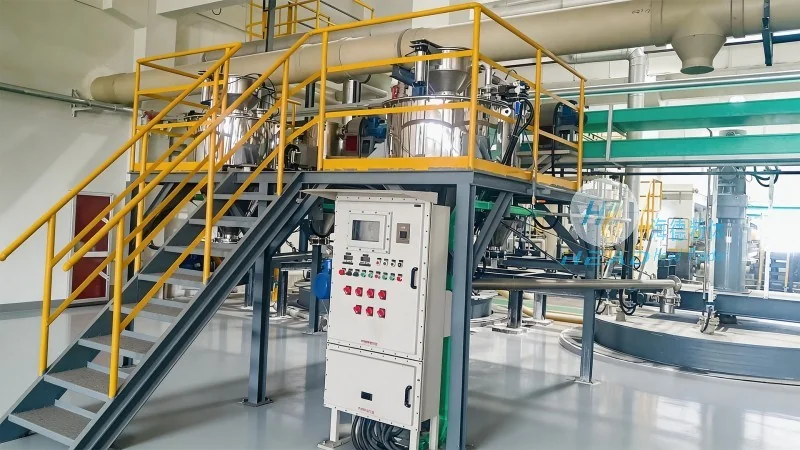
Another key advantage is the flexibility and scalability of the system. Pneumatic conveying systems can be easily expanded or modified to accommodate changes in production volume or material types. This adaptability is particularly valuable in the coatings industry, where product formulations and manufacturing requirements may evolve over time. Furthermore, the system reduces the need for manual handling, improving workplace safety and reducing the risk of accidents or injuries associated with manual material transport.
HeadPowder's Expertise in Pneumatic Conveying Solutions
Shandong HeadPowder Engineering Co., Ltd., based in China, is a trusted partner in providing customized pneumatic conveying solutions for the coatings industry. With years of experience and a deep understanding of the unique challenges faced by manufacturers, HeadPowder offers comprehensive services, including system design, installation, and maintenance. The company’s team of engineers works closely with clients to assess their specific needs and develop tailored solutions that optimize material transport efficiency while ensuring compliance with industry standards and regulations.
HeadPowder’s commitment to quality and innovation is reflected in its use of advanced materials and technologies in system construction. The company’s conveying systems are designed to handle a wide range of coating powders, from fine pigments to coarse fillers, with minimal risk of clogging or degradation. Additionally, the company provides ongoing support and maintenance services to ensure the long-term reliability and performance of its systems, helping clients maximize their return on investment and maintain competitive advantages in the market.