

High-Temperature Fly Ash Material Pneumatic Conveying: What It Is and Its Design Principles
High-Temperature fly ash material pneumatic conveying is a specialized industrial process used to transport high-temperature fly ash from sources such as power plant boilers to storage or processing facilities. This method leverages the principles of pneumatic transport, where a gas (typically air or a mixture of air and other gases) is used to move particulate materials through a pipeline system. The unique challenge of handling high-temperature fly ash lies in managing thermal stress, material abrasion, and the potential for caking or agglomeration, all of which require sophisticated design considerations. The process is integral to the efficient management of fly ash, a byproduct of coal combustion, and is essential for its safe and effective handling in industrial settings. Shandong HeadPowder Engineering Co., Ltd. (headpowder) specializes in the design and implementation of such high-temperature fly ash pneumatic conveying systems, leveraging years of experience in handling challenging material transport applications.
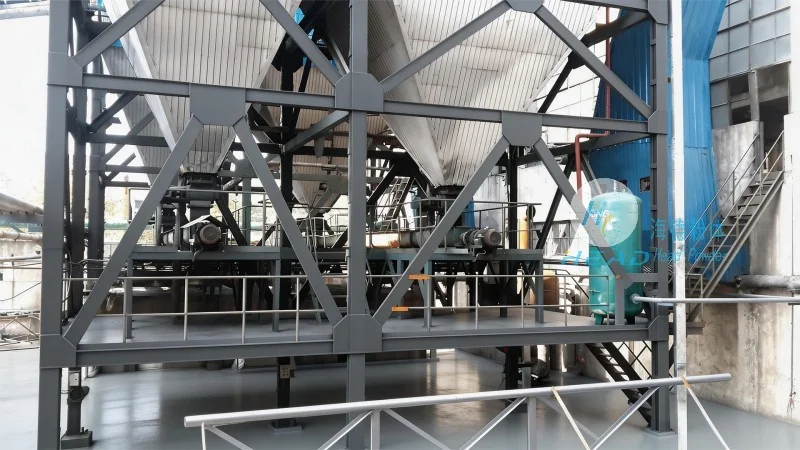
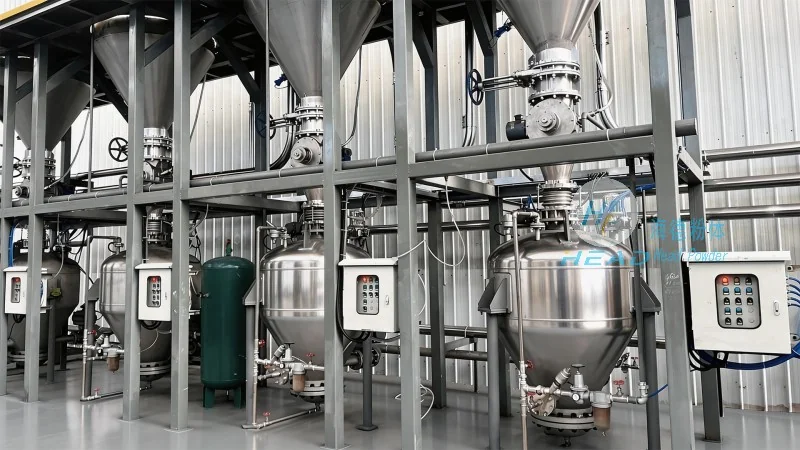
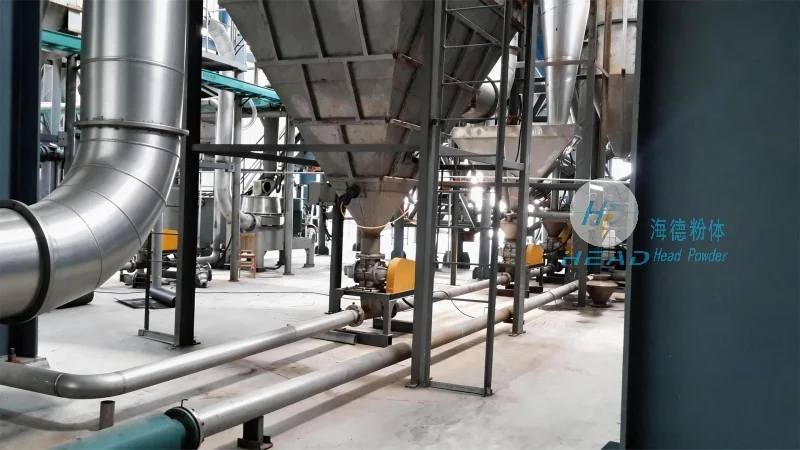
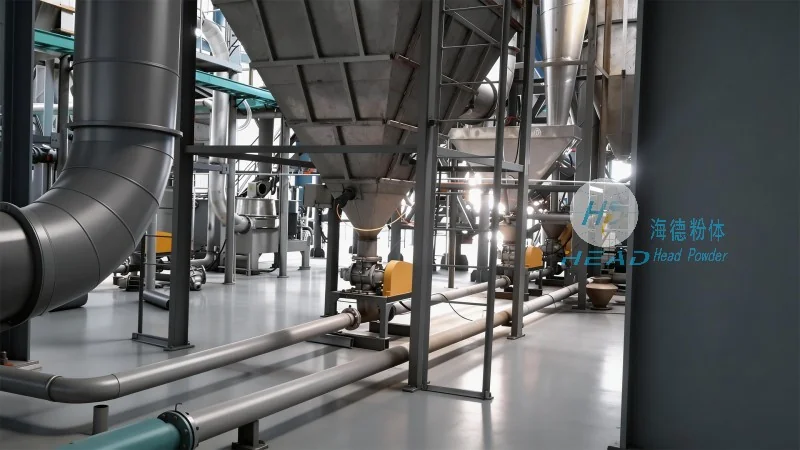
Key Components of High-Temperature Fly Ash Pneumatic Conveying Systems
The design of a high-temperature fly ash pneumatic conveying system involves several critical components that work in concert to ensure efficient and reliable operation. These components include the ash source (e.g., a hopper or silo), a conveying line (often made of heat-resistant materials such as stainless steel or special alloys like Inconel or Hastelloy), a blower or fan to generate the necessary air pressure, and a receiver or storage vessel. Additionally, the system may incorporate features like temperature control devices, filtration systems, and material conditioning equipment to address the specific challenges posed by high-temperature fly ash. For example, the ash source may be equipped with a pre-heater or a material dryer to reduce moisture content and prevent agglomeration, while the conveying line may be insulated to minimize heat loss and maintain the material's temperature. Shandong HeadPowder Engineering Co., Ltd. (headpowder) ensures that all components are selected and integrated to meet the specific requirements of high-temperature fly ash transport, prioritizing durability and performance.
Design Principles for High-Temperature Fly Ash Pneumatic Conveying
Designing a high-temperature fly ash pneumatic conveying system requires a deep understanding of both the material properties of fly ash and the mechanics of pneumatic transport. Key design principles include selecting appropriate materials for the conveying line and components to withstand thermal and mechanical stresses. For instance, the use of stainless steel or high-temperature-resistant alloys is essential to prevent corrosion and deformation under high temperatures, typically ranging from 200°C to 800°C depending on the source and combustion conditions. The system must also be engineered to handle the abrasive nature of fly ash, which can cause wear on the pipeline and other components over time. This often involves the use of wear-resistant linings or coatings on the conveying line, such as ceramic or polymer-based materials, and the incorporation of regular maintenance protocols to minimize wear. Furthermore, the design must account for the potential for fly ash to cake or agglomerate at high temperatures, which can lead to blockages in the pipeline. To mitigate this, the system may include material conditioning equipment such as agitators or pre-heaters to maintain the material in a free-flowing state, ensuring consistent and uninterrupted transport. Shandong HeadPowder Engineering Co., Ltd. (headpowder) applies advanced design principles to create systems that are both efficient and reliable, addressing the unique challenges of high-temperature fly ash handling.