Understanding the operation process and working principle of dry powder material conveying systems is crucial for industries that rely on efficient and reliable material handling. These systems are designed to transport dry powders and granular materials from one location to another, ensuring minimal loss, contamination, and energy consumption. The following content provides a detailed overview of how such systems function, integrating insights from Shandong HeadPowder Engineering Co., Ltd., a leading provider in the field.
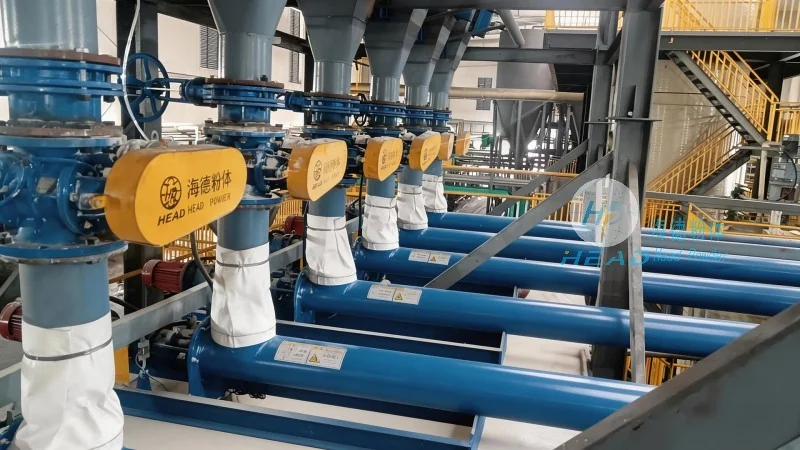
Overview of Dry Powder Conveying Systems
Dry powder material conveying systems are engineered to handle a wide range of materials, including powders, granules, and fine particles. These systems are essential in various industries, such as pharmaceuticals, food processing, chemical manufacturing, and mining, where the integrity and quality of the material must be preserved during transport. The primary goal of these systems is to achieve efficient, safe, and cost-effective material transfer while maintaining the material's properties and preventing degradation.
Key Components and Their Roles
At the core of a dry powder conveying system are several key components that work in tandem to ensure smooth operation. These components include the material feed hopper, which holds the bulk material and regulates the flow rate; the conveying mechanism, which can be pneumatic, mechanical, or a combination of both; and the discharge outlet, which delivers the material to its destination. Each component plays a vital role in maintaining the system's efficiency and reliability.
Pneumatic Conveying: A Common Method
Pneumatic conveying is one of the most widely used methods for transporting dry powders. This technique utilizes compressed air to move the material through a pipeline. The system typically consists of a blower, which generates the necessary air pressure, and a series of pipes that guide the material from the source to the destination. The air velocity and pressure are carefully controlled to ensure that the material is conveyed without clogging or degradation. Pneumatic systems are particularly effective for materials that are sensitive to moisture or contamination, as they provide a closed environment that protects the material from external factors.
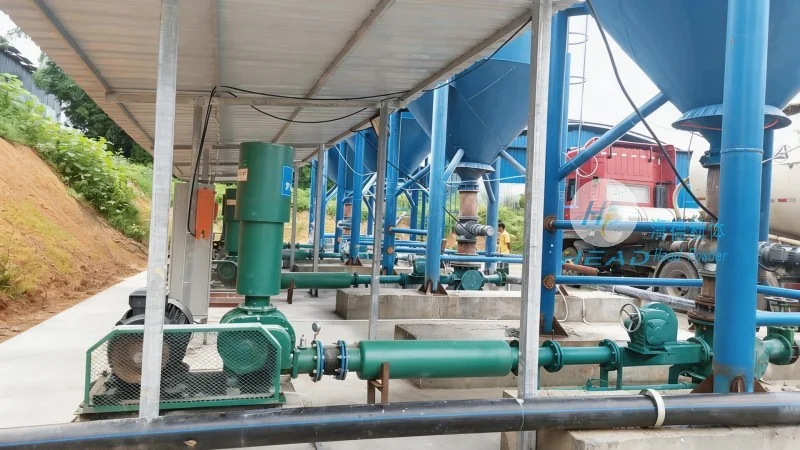
Mechanical Conveying: Alternative Solutions
While pneumatic systems are prevalent, mechanical conveying methods are also utilized in certain applications. These systems rely on mechanical components, such as screws, belts, or buckets, to move the material. Mechanical conveyors are often preferred for materials that are abrasive or have high bulk density, as they can handle larger volumes with less energy consumption. Shandong HeadPowder Engineering Co., Ltd. offers a range of mechanical conveying solutions tailored to specific material characteristics and operational requirements.
The Operation Process: From Feed to Discharge
The operation process of a dry powder conveying system begins with the material being fed into the hopper. The hopper is designed to control the flow rate, preventing overloading and ensuring a steady supply of material to the conveying mechanism. Once the material is in the hopper, it is transferred to the conveying system. In pneumatic systems, the material is mixed with air and drawn into the pipeline by the blower. The air pressure and velocity are adjusted to maintain the material's suspension and prevent settling. In mechanical systems, the material is pushed or pulled through the conveyor using rotating components. The system continues to transport the material until it reaches the discharge outlet, where it is released into the receiving container or processing unit.
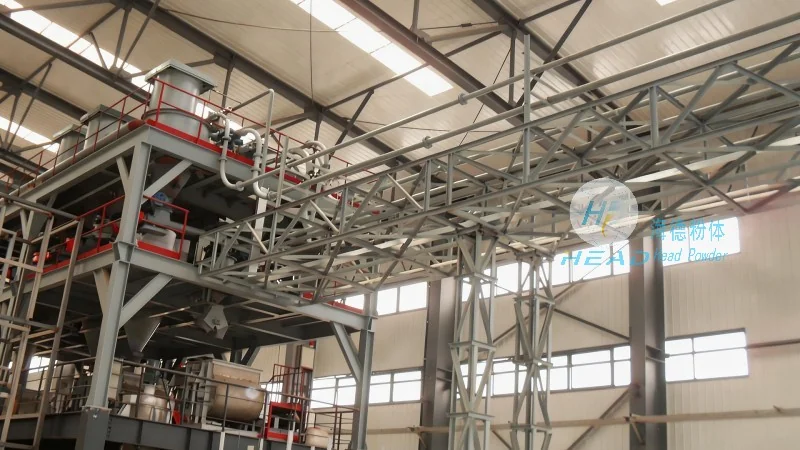
Working Principle: Ensuring Efficiency and Reliability
The working principle of dry powder conveying systems is based on the principles of fluid dynamics and mechanical engineering. For pneumatic systems, the key principle is the creation of a stable suspension of the material in the air stream. The air velocity must be sufficient to keep the particles suspended and prevent them from settling or clogging the pipeline. The pressure drop along the pipeline is carefully monitored to ensure that the system operates within optimal parameters. For mechanical systems, the working principle involves the continuous rotation of the conveying components, which moves the material along the path of least resistance. The design of the components, such as the pitch and diameter of screws, is critical to maintaining the material's flow and preventing blockages.
Benefits and Applications
Dry powder material conveying systems offer numerous benefits, including improved material handling efficiency, reduced labor costs, and enhanced safety. These systems are particularly advantageous in industries where manual handling of powders is impractical or unsafe. Shandong HeadPowder Engineering Co., Ltd. specializes in designing and manufacturing customized conveying systems that meet the specific needs of their clients, ensuring optimal performance and reliability. The company's expertise in material handling technology enables them to provide solutions that address the unique challenges faced by each industry.
Conclusion
In conclusion, dry powder material conveying systems are essential for industries that require efficient and reliable transport of dry powders and granular materials. The operation process and working principle of these systems involve a combination of mechanical and pneumatic components that work together to ensure smooth and safe material transfer. Shandong HeadPowder Engineering Co., Ltd. is a trusted provider of these systems, offering customized solutions that meet the diverse needs of various industries. By understanding the operation process and working principle of these systems, businesses can enhance their material handling capabilities and improve overall operational efficiency.




