Understanding the mechanics and design principles of pneumatic conveying systems is crucial for industries dealing with dry stone powders. Pneumatic conveying, also known as pneumatic transport, is a method of transporting bulk materials through a pipeline using a gas stream, typically air. For dry stone powders, this technology offers efficient, dust-free, and flexible material handling solutions. This article explores the fundamental concepts behind dry stone powder pneumatic conveying and the key design principles that govern such systems.
Understanding Pneumatic Conveying for Dry Stone Powders
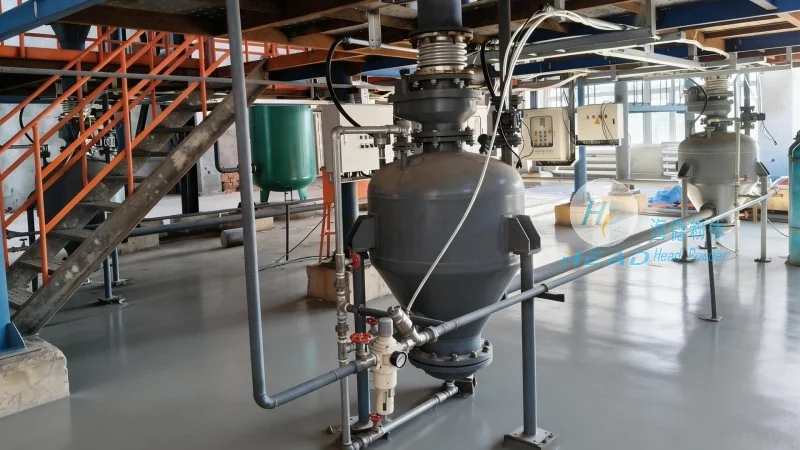
Pneumatic conveying systems are designed to move dry stone powders from one location to another without the need for mechanical components like belts or buckets. The core of this technology is the use of air pressure to suspend and transport particles. The system typically consists of a material source, a conveying line, and a discharge point. The material is introduced into the system at a controlled rate, and the air stream carries it through the pipeline to the destination. This method is particularly advantageous for dry stone powders because it minimizes dust generation and reduces the risk of material degradation compared to traditional methods like bucket elevators or screw conveyors.
Core Design Principles of Pneumatic Conveying Systems
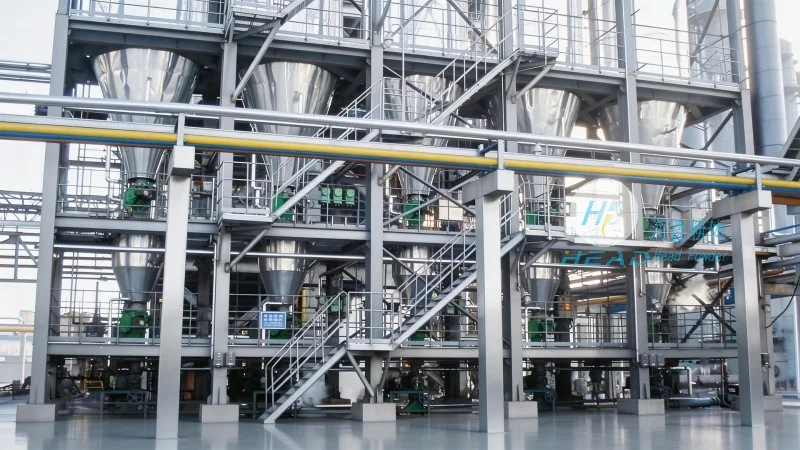
The design of a pneumatic conveying system for dry stone powders involves several critical principles that ensure optimal performance and efficiency. The primary design principle is the balance between the air velocity and the material's properties. This balance determines whether the material will be conveyed in a dilute-phase or dense-phase mode. Dilute-phase conveying uses higher air velocities to suspend particles in the air stream, while dense-phase conveying employs lower velocities to push material through the pipeline in a plug-like flow. The choice between these modes depends on factors such as the material's density, particle size, and moisture content. For dry stone powders, which often have a high density and relatively large particle sizes, dense-phase conveying is commonly preferred as it reduces the risk of particle degradation and system blockages.
Key Components and Their Functions in Pneumatic Conveying
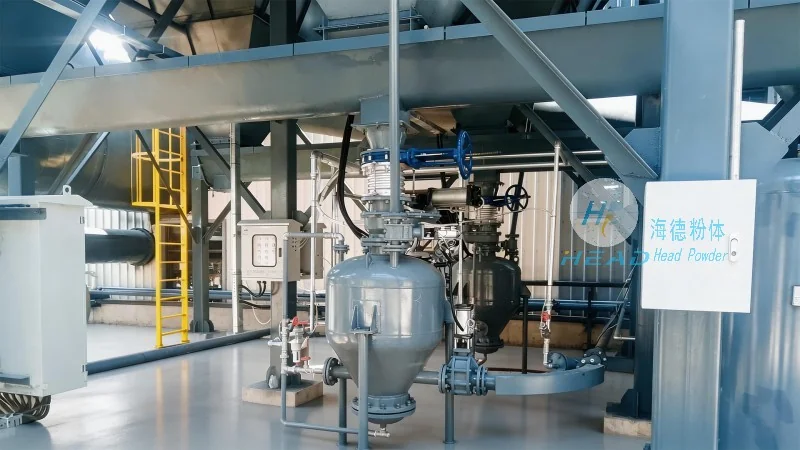
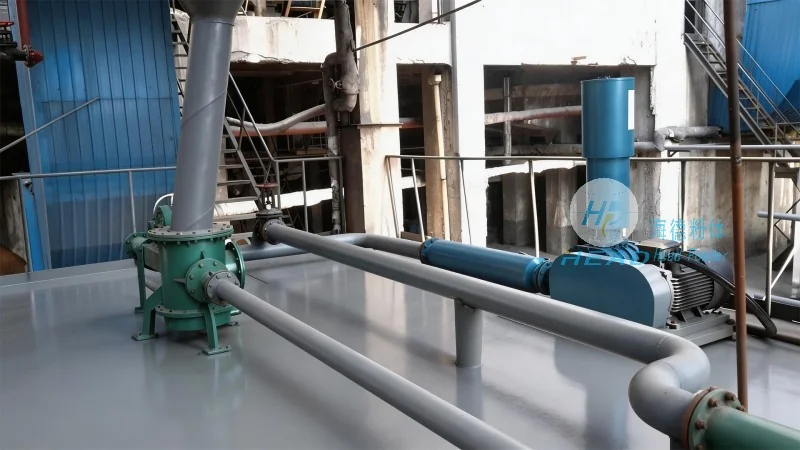
Key components in a pneumatic conveying system include the material feeder, the air supply system (blower or compressor), the conveying pipeline, and the discharge device. The material feeder is responsible for introducing the dry stone powder into the system at a controlled rate. It must be designed to handle the material's flow characteristics and prevent blockages. Common types of feeders include rotary valves and star feeders, which provide consistent material flow. The air supply system provides the necessary pressure and volume of air to move the material through the pipeline. This can be achieved using positive displacement blowers or centrifugal compressors, depending on the system's requirements. The conveying pipeline is typically made of materials like stainless steel or plastic, chosen for their resistance to corrosion and wear from the dry stone powder. The pipeline diameter and length are carefully selected to ensure adequate air velocity and pressure to maintain material transport. The discharge device, often a rotary valve or a venturi, controls the release of material from the system, ensuring a smooth and controlled discharge. This component is critical for preventing material buildup and maintaining system efficiency.
Application Scenarios and Practical Considerations
Pneumatic conveying systems are widely used in various applications involving dry stone powders, including mining, construction, and chemical processing. In mining operations, these systems are used to transport crushed stone and other mineral powders from processing plants to storage facilities or to other processing units. The ability to handle large volumes of material over long distances makes pneumatic conveying ideal for mining applications. In construction, they are employed to move cement, lime, and other dry building materials to job sites. The flexibility of pneumatic conveying allows for easy integration into existing production lines and the ability to handle materials in different locations without the need for extensive infrastructure changes. Practical considerations when designing a pneumatic conveying system for dry stone powders include the material's dustiness, which can affect air filtration requirements, and the potential for material buildup in the pipeline, which may require cleaning mechanisms or special pipeline designs. Additionally, the system's energy consumption must be optimized to ensure cost-effectiveness and environmental compliance.
About Shandong HeadPowder Engineering Co., Ltd.
Shandong HeadPowder Engineering Co., Ltd., a leading provider in the field, specializes in designing and manufacturing advanced pneumatic conveying solutions tailored to the unique characteristics of dry stone powders. With a focus on innovation and reliability, the company has established itself as a trusted partner for industries requiring efficient material transport. The company's headquarters is located in Shandong, China, where it leverages local expertise and resources to deliver high-quality engineering services. HeadPowder's team of experienced engineers and technicians work closely with clients to understand their specific material handling challenges and design customized solutions that meet their operational requirements. By adhering to strict quality standards and using advanced manufacturing techniques, HeadPowder ensures that its pneumatic conveying systems are reliable, efficient, and durable. The company serves clients both domestically and internationally, providing comprehensive engineering support and after-sales service to ensure long-term system performance and customer satisfaction.




