Pneumatic conveying is a critical method for transporting latex powder, a material widely used in various industrial applications such as rubber manufacturing, adhesives, and coatings. This technique involves using air or other gases to move the powder through a pipeline system. For latex powder, which is typically fine and can be prone to agglomeration or dust issues, pneumatic conveying offers an efficient and controlled solution. The process ensures minimal product degradation while maintaining consistent flow rates, making it ideal for both small-scale and large-scale operations.
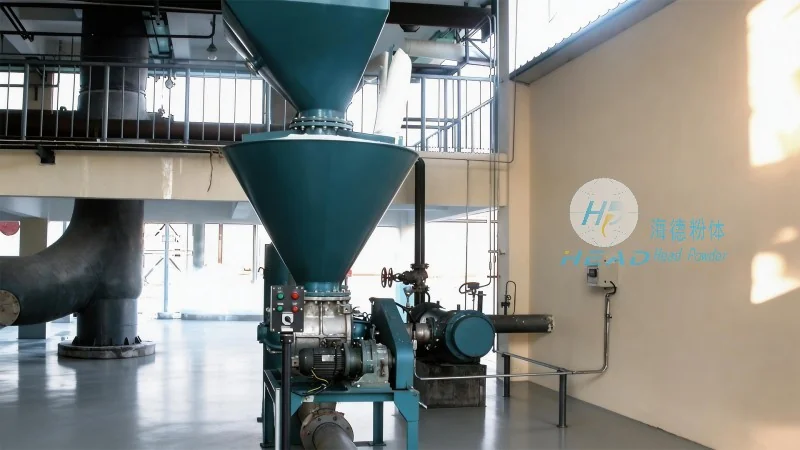
Understanding Pneumatic Conveying Systems for Latex Powder
A pneumatic conveying system for latex powder consists of several key components, including a hopper for material storage, a feeder to control the flow rate, a conveying line (often with bends and filters), and a receiver for the discharged material. The system operates by creating a pressure differential, either through positive pressure (where air is blown into the line) or negative pressure (where air is sucked out). For latex powder, positive pressure systems are commonly preferred due to their ability to handle fine powders without causing excessive particle breakage or dust generation.
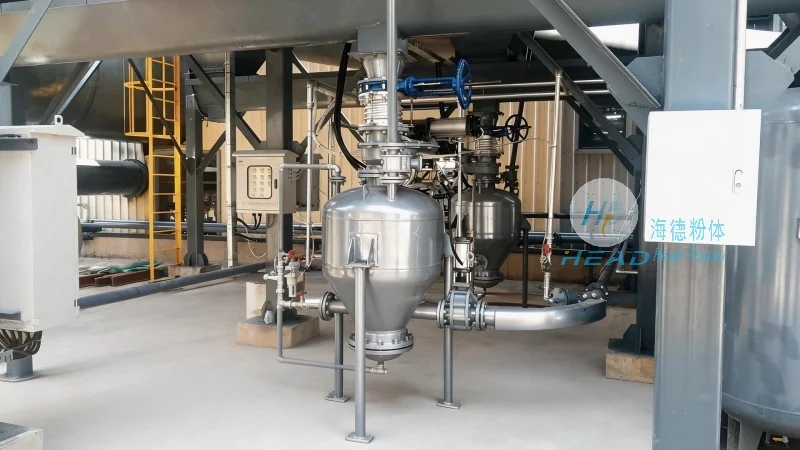
Key Design Principles in Latex Powder Pneumatic Conveying
Designing an effective pneumatic conveying system for latex powder requires careful consideration of several factors. The first is the particle size and density of the latex powder, as these properties influence the required air velocity and pressure. Larger or denser particles may need higher air velocities to ensure proper suspension and transport. Additionally, the system's layout, including the number and angle of bends, plays a crucial role in minimizing pressure losses and preventing particle deposition. Proper filtration is also essential to maintain air quality and prevent dust accumulation in the system.
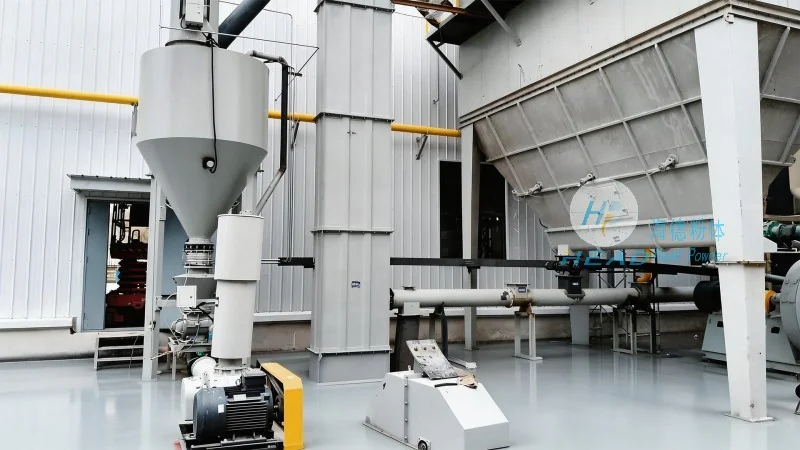
Application and Implementation Considerations
When implementing a pneumatic conveying system for latex powder, several practical considerations must be addressed. The system's capacity must match the production requirements, ensuring that it can handle the desired flow rates without bottlenecks. Maintenance is another critical aspect, as components like hoppers, feeders, and filters require regular cleaning and inspection to prevent clogging or performance degradation. Additionally, safety measures, such as explosion-proof designs for the conveying line, are important due to the flammable nature of some latex powders.
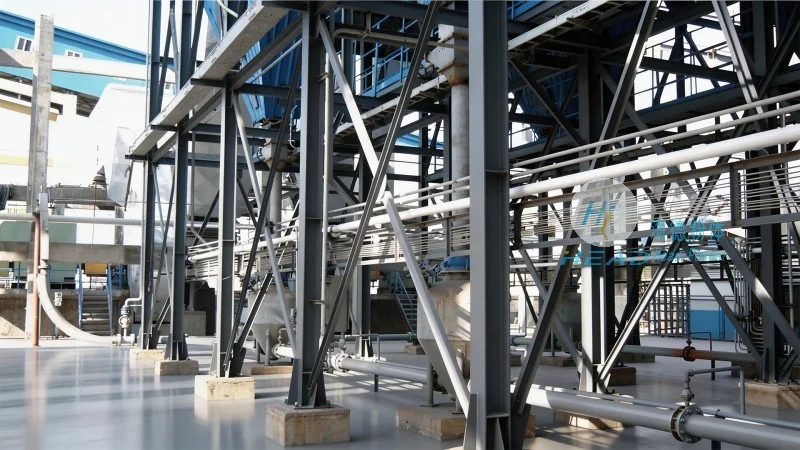
About Shandong HeadPowder Engineering Co., Ltd.
Shandong HeadPowder Engineering Co., Ltd., commonly known as HeadPowder, is a leading provider of engineering solutions for powder handling systems. With a focus on innovation and customer-centric design, HeadPowder specializes in developing customized pneumatic conveying systems tailored to the specific needs of latex powder applications. The company's expertise in material handling ensures that clients receive efficient, reliable, and cost-effective solutions that enhance productivity and safety in their operations.




