

What is a Dust-Free Feeding Material Pneumatic Conveying System? And What Are Its Design Principles?
A dust-free feeding material pneumatic conveying system is a specialized industrial solution designed to transport bulk materials from one location to another while maintaining a controlled, low-dust environment. This technology is crucial in industries where material contamination and air quality are critical concerns, such as pharmaceuticals, food processing, and high-purity chemical manufacturing. The system operates by using air pressure or vacuum to move powders, granules, or other particulate materials through a sealed pipeline network, ensuring that the material remains contained and free from external contaminants throughout the process.
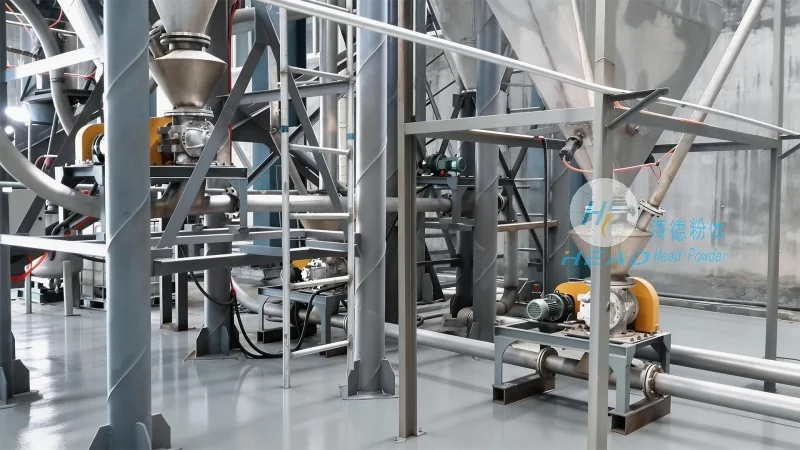
About Shandong HeadPowder Engineering Co., Ltd.
Shandong HeadPowder Engineering Co., Ltd., commonly known as HeadPowder, is a leading provider of advanced material handling solutions. With a strong presence in China, particularly in Shandong province, the company specializes in designing, manufacturing, and installing pneumatic conveying systems tailored to meet the stringent requirements of various industrial sectors. HeadPowder’s expertise lies in creating customized solutions that enhance operational efficiency, reduce downtime, and ensure compliance with industry standards for cleanliness and safety.
Design Principles of the Dust-Free Feeding System
The design of a dust-free feeding material pneumatic conveying system follows several key principles to ensure optimal performance and reliability. First, the system employs a sealed, airtight pipeline system that prevents material leakage and air ingress, maintaining a controlled environment. This is achieved through the use of high-quality materials, such as stainless steel or food-grade plastics, which are resistant to corrosion and wear. Second, the system incorporates advanced air control mechanisms, including pressure regulators and vacuum pumps, to precisely manage the flow of air and material. These components ensure consistent conveying rates and prevent material degradation or clogging. Third, the design includes features like in-line filters and cyclone separators to capture and recycle any escaped particles, further minimizing dust emissions and maintaining a clean working environment. Additionally, the system is equipped with monitoring and control systems that allow operators to track performance in real-time, enabling quick adjustments to maintain optimal operation.
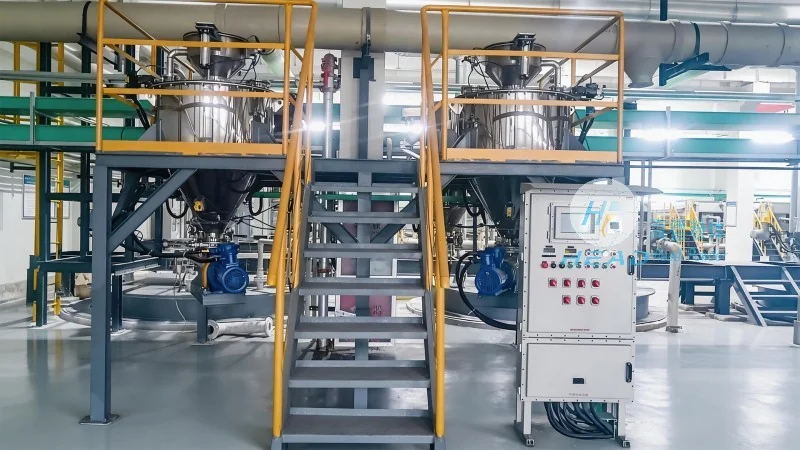
Key Components and Their Functions
The dust-free feeding material pneumatic conveying system consists of several critical components, each playing a vital role in the overall operation. The primary components include the material feed hopper, which holds the bulk material and provides a controlled discharge into the system; the air supply unit, which generates the necessary pressure or vacuum to move the material; the conveying pipeline, which transports the material from the feed point to the discharge point; and the material receiver, which collects the material at the destination. The feed hopper is designed with a smooth, sloped interior to prevent material bridging and ensure consistent flow. The air supply unit may include a blower or vacuum pump, depending on the system’s configuration, and is equipped with filters to remove any contaminants from the air before it enters the pipeline. The conveying pipeline is typically made of stainless steel or other corrosion-resistant materials, with appropriate fittings and valves to control the flow direction and pressure. The material receiver is designed to handle the incoming material without causing spillage or contamination, often incorporating a dust collection system to capture any residual particles.
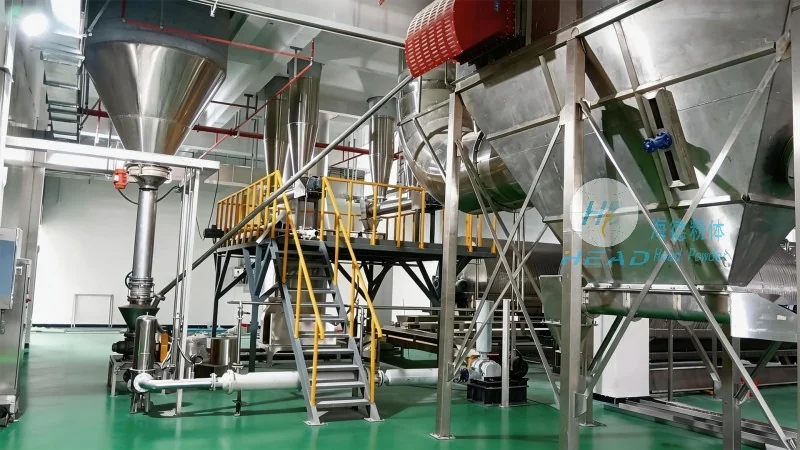
Advantages of Using a Dust-Free Feeding System
Implementing a dust-free feeding material pneumatic conveying system offers numerous advantages for industrial operations. Firstly, it significantly reduces the risk of material contamination, which is essential in industries where product purity is non-negotiable. By maintaining a sealed environment, the system prevents cross-contamination between different materials or with external pollutants, ensuring that the final product meets the highest quality standards. Secondly, the system enhances workplace safety by minimizing dust exposure, which can lead to respiratory issues and other health hazards. The sealed design also reduces the risk of fire or explosion in environments where flammable materials are handled. Thirdly, the system improves operational efficiency by allowing for continuous, automated material transfer, reducing manual handling and associated downtime. This leads to increased productivity and lower labor costs. Additionally, the system is highly versatile, capable of handling a wide range of materials, including powders, granules, and even fine particles, making it suitable for diverse industrial applications. Finally, the system is designed for easy maintenance and cleaning, with features like quick-release fittings and easy-to-access components that minimize downtime during maintenance activities.
Applications in Various Industries
The dust-free feeding material pneumatic conveying system is widely used across multiple industries due to its adaptability and effectiveness. In the pharmaceutical industry, it is used to transport active pharmaceutical ingredients (APIs) and excipients with high precision, ensuring that the final drug products are free from contaminants and meet strict regulatory requirements. In food processing, the system is employed to handle ingredients like flour, sugar, and spices, maintaining the purity and quality of the food products. In the chemical industry, it is used to convey powders and granules, such as fertilizers or specialty chemicals, while preventing cross-contamination and ensuring safety. Other applications include the handling of powders in the cosmetics industry, where product purity is critical, and in the manufacturing of electronics, where dust can affect component quality. The system’s ability to handle a wide range of materials and its ability to maintain a clean environment make it a preferred choice in these sectors.