For industrial applications, the efficient and precise operation of material mixing and conveying systems is crucial, especially in sectors like food processing, pharmaceuticals, and chemical manufacturing. These systems are designed to handle various ingredients, ensuring consistent quality and optimal processing outcomes. This article provides an in-depth look at the operation process and working principle of such systems, highlighting the key components and mechanisms that enable their functionality. The information is presented by Shandong HeadPowder Engineering Co., Ltd., a leading provider of engineering solutions based in Shandong, China.
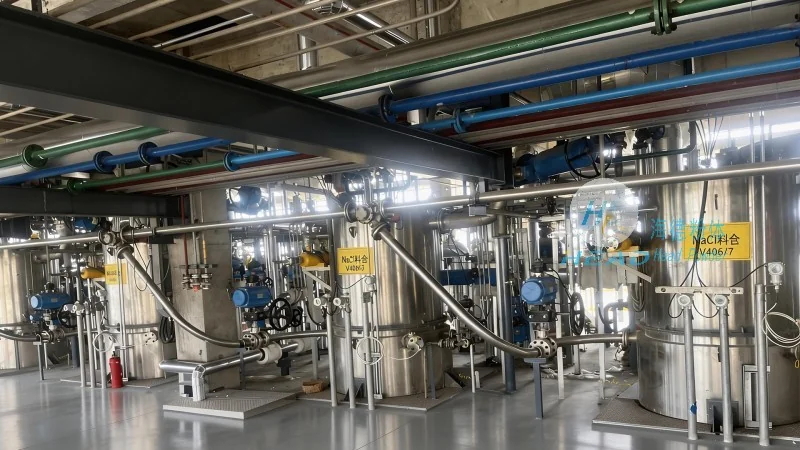
System Overview and Core Components
The material mixing and conveying system for ingredient preparation typically consists of several integrated components that work in harmony to achieve the desired mixing and transport of materials. These components include hoppers for material storage, feeders for controlled material discharge, mixing units (such as ribbon mixers or paddle mixers), conveyors (like screw conveyors or belt conveyors), and control panels for system management. Each component plays a vital role in the overall operation, ensuring that materials are handled safely and efficiently. The system is engineered to meet stringent industry standards, providing reliability and durability for long-term use.
Operation Process: Step-by-Step Execution
The operation of the material mixing and conveying system follows a systematic sequence, starting with the loading of raw ingredients into the hoppers. The process begins with the initial preparation of ingredients, where each component is introduced into its respective hopper. Once loaded, the feeders regulate the flow of materials into the mixing unit. The mixing unit then combines the ingredients in a controlled manner, ensuring uniform distribution and consistent mixing ratios. After mixing, the material is transferred to the conveying system, which transports the mixed product to the next stage of processing or packaging. The entire operation is monitored and controlled through the system's control panel, allowing operators to adjust parameters as needed to maintain optimal performance. This step-by-step approach ensures that each stage of the process is executed with precision, minimizing errors and maximizing efficiency.
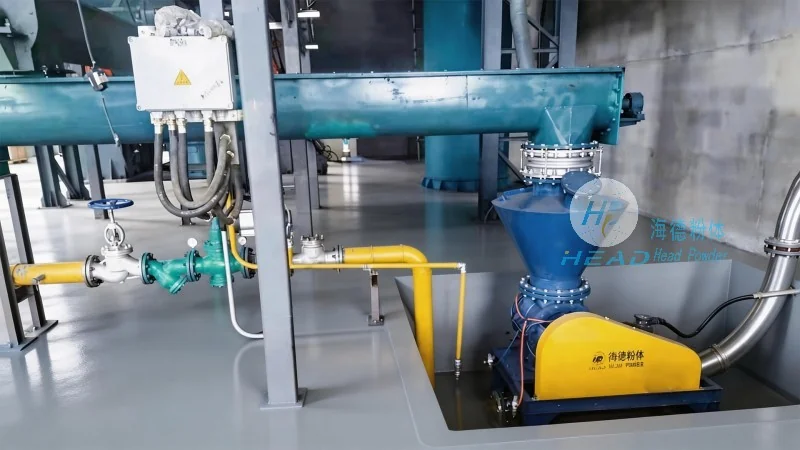
Working Principle: Mechanical and Control Mechanisms
The working principle of the material mixing and conveying system is based on mechanical and electrical control mechanisms that work together to achieve the desired outcomes. The mechanical components, such as the mixing paddles or screws in the conveyor, are driven by electric motors that provide the necessary power for operation. The control panel, equipped with sensors and programmable logic controllers (PLCs), monitors the system's status and adjusts the speed and direction of the components as required. For example, the feeder system uses variable speed drives to control the flow rate of materials, ensuring that the mixing unit receives the correct amount of each ingredient. The mixing unit may employ a planetary or ribbon design, which rotates to create a vortex that thoroughly combines the materials. The conveyor system, often a screw conveyor, uses the rotation of the screw to push the material forward, maintaining a consistent flow rate. This combination of mechanical action and electronic control ensures that the system operates smoothly and reliably, delivering consistent results.
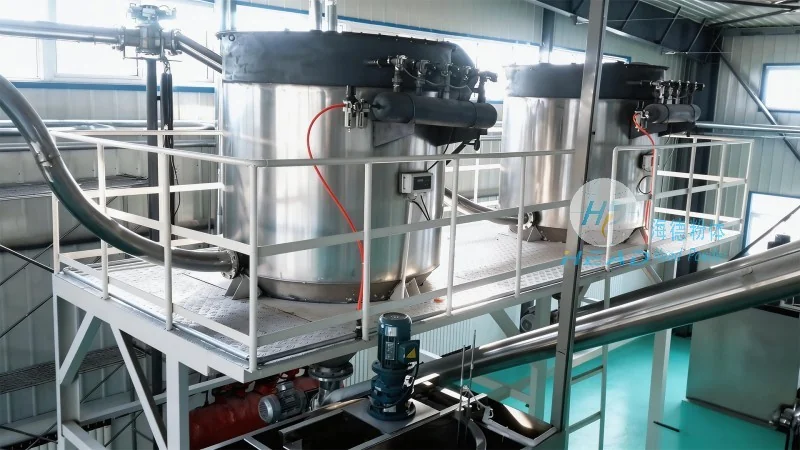
Technical Advantages and Performance Metrics
Shandong HeadPowder Engineering Co., Ltd. has designed the material mixing and conveying system to offer several technical advantages that enhance its performance and usability. One key advantage is the high degree of mixing uniformity, achieved through the optimized design of the mixing unit. This ensures that all ingredients are thoroughly combined, reducing the risk of segregation and improving product quality. Another advantage is the precise control over material flow rates, which is critical for maintaining consistent mixing ratios. The system's control panel allows operators to adjust parameters in real-time, adapting to changes in material properties or processing requirements. Additionally, the system is built with durable materials, such as stainless steel, to withstand harsh operating conditions and ensure long service life. These technical features make the system suitable for a wide range of applications, from small-scale production to large industrial operations.
Conclusion: The Value of Efficient Material Handling
In conclusion, the material mixing and conveying system for ingredient preparation is a sophisticated piece of equipment that plays a vital role in modern industrial processes. By understanding the operation process and working principle, users can appreciate the complexity and efficiency of these systems. The system's design, which integrates mechanical and control technologies, ensures that materials are handled safely, efficiently, and consistently. As a leading provider of engineering solutions, Shandong HeadPowder Engineering Co., Ltd. continues to innovate and improve its systems to meet the evolving needs of the industry. The reliable performance and technical advantages of the material mixing and conveying system make it an essential component for any facility that requires precise ingredient handling and processing.




