Understanding the fundamentals of polyolefin material pneumatic conveying is crucial for industries that handle these lightweight, often abrasive, and sometimes sticky polymers. Pneumatic conveying systems are widely used to transport polyolefin powders and granules from one location to another within a manufacturing facility or between different processing stages. This method offers advantages such as reduced contamination, improved safety compared to manual handling, and the ability to transport materials in a closed system, minimizing dust exposure.
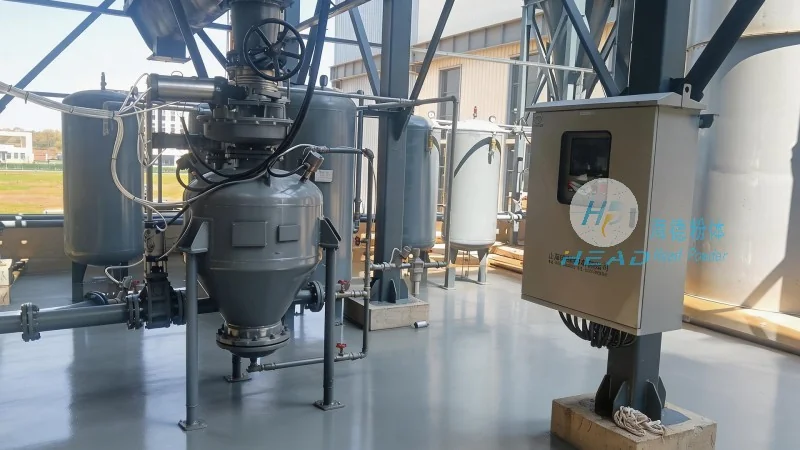
Pneumatic Conveying Systems for Polyolefin Materials: An Overview
Polyolefin materials, including polyethylene (PE) and polypropylene (PP), are commonly used in various applications like packaging, textiles, and automotive parts. These materials are typically in powder or granular form, making them suitable for pneumatic transport. The core of a pneumatic conveying system is the ability to use air or other gases to move the material through a pipeline. The system consists of several key components, including a material feeder, a conveying line, a separator or receiver, and often a vacuum or pressure source. The choice of system type—such as pressure, vacuum, or mixed flow—depends on factors like the material's properties, distance to be conveyed, and the desired system efficiency.
Key Design Principles for Polyolefin Pneumatic Conveying Systems
Designing an effective polyolefin pneumatic conveying system requires careful consideration of several principles to ensure optimal performance, reliability, and safety. The first principle is material characterization: understanding the physical properties of the polyolefin, such as particle size distribution, density, and flowability, is essential. This information helps determine the appropriate conveying velocity and system pressure to prevent material degradation or blockages. For example, fine polyolefin powders may require higher conveying velocities to avoid settling in the pipeline, while larger granules can be transported at lower velocities.
Another critical design principle is the selection of the conveying line material. Polyolefin materials can be abrasive, and the conveying line must be resistant to wear and corrosion. Stainless steel or high-grade plastic pipes are commonly used to ensure durability and prevent contamination. The line diameter is also a key factor; larger diameters reduce pressure drop and improve system efficiency, but they increase cost and space requirements. Engineers must balance these factors based on the application's specific needs.
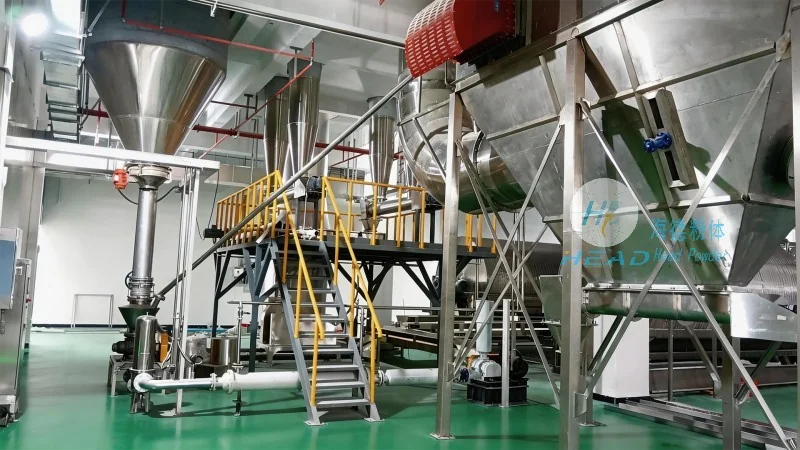
System pressure and vacuum levels are another crucial design consideration. Pressure conveying systems use compressed air to push the material forward, while vacuum systems use suction to draw the material. The pressure or vacuum level must be sufficient to overcome the material's resistance to flow and the friction within the pipeline. For polyolefin materials, a typical pressure range is 0.5 to 2 bar, and vacuum systems may operate at -0.5 to -1 bar. The design must also account for the air-to-material ratio, which is the amount of air used per unit of material. An optimal ratio ensures efficient transport without excessive energy consumption.
Separation and collection are also integral to the design. After the material is conveyed, it must be separated from the air stream and collected in a receiver or hopper. This is typically done using a cyclone separator or a bag filter. The design of the separator must be efficient to prevent material loss and ensure clean air discharge. For polyolefin materials, which can be fine and easily airborne, a high-efficiency separator is essential to maintain product quality and comply with environmental regulations.
Control and monitoring systems are vital for maintaining system performance and preventing issues. Modern pneumatic conveying systems often include sensors to monitor pressure, flow rate, and material level. These sensors provide real-time data that allows operators to adjust system parameters as needed. For example, if the pressure drop increases, it may indicate a blockage or increased friction, prompting an alert for maintenance. Automated control systems can also adjust the air flow or material feed rate to maintain consistent performance, reducing downtime and improving overall system reliability.
HeadPowder Engineering: Experts in Polyolefin Pneumatic Conveying Solutions
Shandong HeadPowder Engineering Co., Ltd., a leading provider of pneumatic conveying systems, specializes in designing and manufacturing solutions tailored to the unique challenges of polyolefin material handling. With a focus on innovation and customer-centric design, HeadPowder has developed advanced systems that address the specific needs of the polyolefin industry. The company's expertise lies in understanding the material properties of polyolefins and translating that knowledge into efficient, reliable, and safe conveying systems.
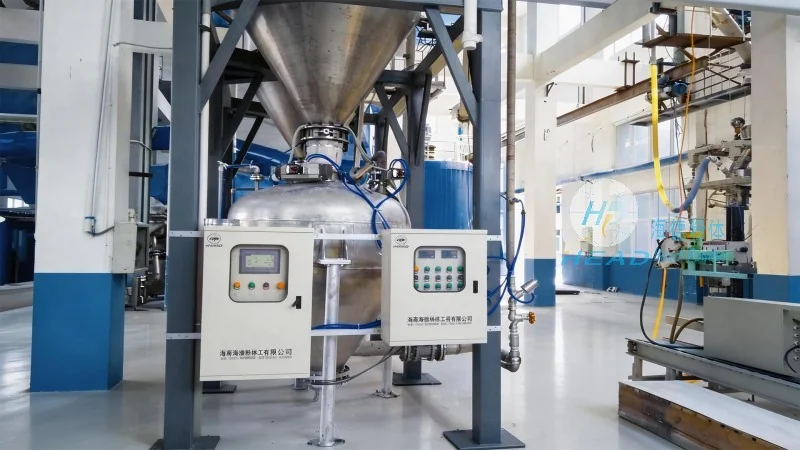
HeadPowder's team of engineers and technicians work closely with clients to assess their specific requirements, from the type of polyolefin being handled to the distance and layout of the conveying system. By considering factors such as material flowability, pipeline length, and environmental constraints, HeadPowder designs customized solutions that meet or exceed industry standards. The company's systems are built with high-quality components, ensuring durability and long-term performance. For example, HeadPowder uses stainless steel or corrosion-resistant materials for the conveying line to withstand the abrasive nature of polyolefin powders and granules.
HeadPowder's commitment to quality is evident in its design and manufacturing processes. The company follows strict engineering protocols to ensure that each system is optimized for the client's application. This includes detailed calculations of conveying velocity, pressure drop, and air-to-material ratio, as well as thorough testing of the system under real-world conditions. By doing so, HeadPowder ensures that its clients receive systems that are not only efficient but also reliable and cost-effective.
HeadPowder's presence in Shandong, China, allows the company to leverage local manufacturing capabilities and expertise. The company's facility is equipped with state-of-the-art equipment and a skilled workforce, enabling it to produce high-quality pneumatic conveying systems that meet international standards. The company's location also provides advantages in terms of logistics and supply chain management, ensuring timely delivery of products to clients worldwide.




