Pyrolysis carbon powder conveying machines are critical equipment in industrial settings, particularly for the efficient handling and transportation of fine carbon powders derived from pyrolysis processes. These machines are engineered to move pyrolysis carbon powder from a storage or processing point to a discharge location with minimal loss and maximum product integrity. The operation of such machinery involves a coordinated series of mechanical and control systems designed to ensure smooth, consistent, and reliable transport. Understanding the operation process and working principles of these machines is essential for optimizing performance and maintaining efficiency in industrial applications.
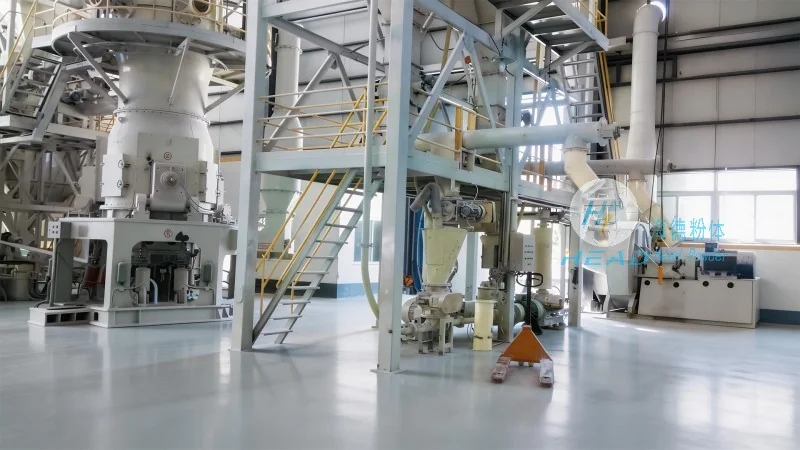
Key Components and Their Functional Roles
The pyrolysis carbon powder conveying machine comprises several key components, each with a specific function that contributes to the overall conveying process. The primary components include the hopper, conveyor mechanism, control panel, and discharge outlet. The hopper serves as the storage vessel for the pyrolysis carbon powder, providing a uniform feed to the conveyor system. It is typically designed with a sloped bottom to facilitate the flow of powder into the conveyor. The conveyor mechanism, which can be either mechanical (such as a screw or belt) or pneumatic (using compressed air), is responsible for moving the powder through the machine. The control panel allows operators to adjust parameters like speed, pressure, and flow rate, ensuring precise control over the conveying process. The discharge outlet is where the processed powder is released, ready for further processing or storage. Additionally, features like dust collection systems and sealing mechanisms are often integrated to maintain environmental safety and product quality.
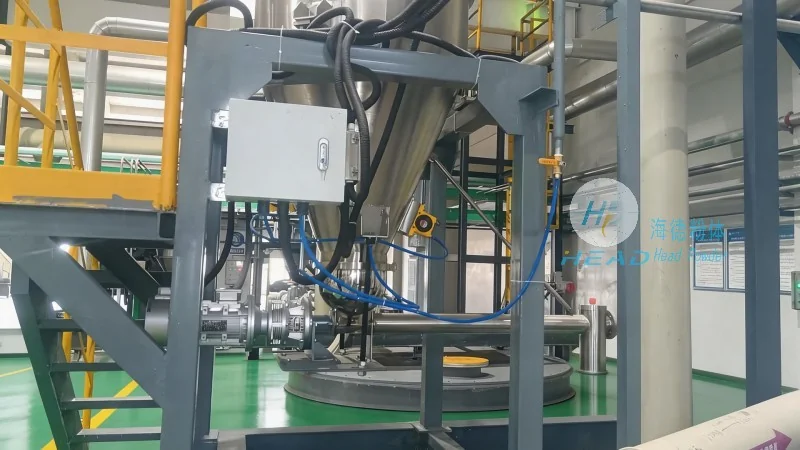
Step-by-Step Operation Process
The operation of the pyrolysis carbon powder conveying machine begins with the loading of pyrolysis carbon powder into the hopper. The powder is then fed into the conveyor system, which transports it through the machine. In mechanical conveying systems, a rotating screw or auger moves the powder along the conveyor path, while in pneumatic systems, compressed air creates a flow that carries the powder through the pipeline. During the conveying process, the machine may incorporate vibration or agitation to prevent clogging and ensure uniform flow, especially important for fine powders that are prone to settling. The control panel continuously monitors the system, adjusting parameters as needed to maintain optimal performance. For example, if the flow rate decreases, the control system may increase the air pressure or conveyor speed to restore the desired flow. The powder then reaches the discharge outlet, completing the conveying cycle. This process is typically automated, with the machine operating continuously as long as material is available in the hopper.
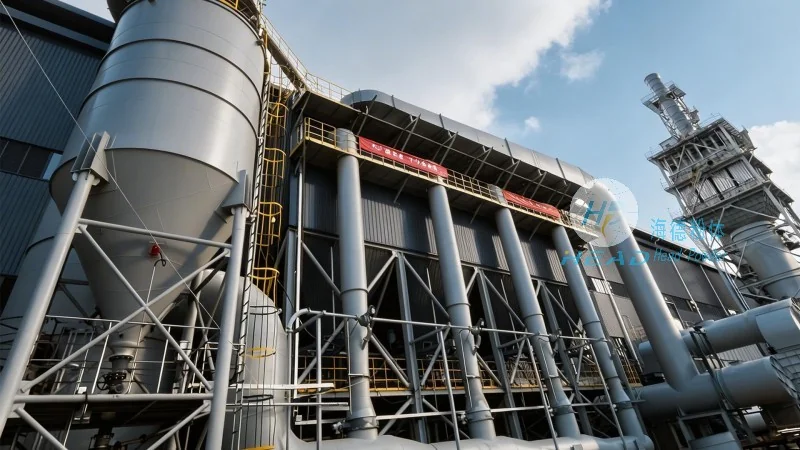
Working Principle: Mechanisms and Physics
The working principle of the pyrolysis carbon powder conveying machine is based on the principles of fluidization and mechanical transport. The machine utilizes a combination of pressure, motion, and sometimes vacuum to move the fine carbon powder. In pneumatic conveying, compressed air is introduced into the system, creating a flow that lifts and transports the powder particles. The air pressure and velocity are carefully controlled to ensure that the powder remains suspended and moves efficiently without causing blockages. In mechanical conveying, the rotating screw or belt exerts a force on the powder, pushing it forward along the conveyor path. The design of the conveyor components, such as the pitch and diameter of the screw, is optimized to handle the specific properties of pyrolysis carbon powder, including its fine particle size and potential for dust generation. The machine is also equipped with features like airlocks and check valves to prevent backflow and maintain a consistent flow direction. The overall goal is to maintain a stable flow rate and pressure, ensuring that the powder is transported without loss or degradation.




