Carbon black powder pneumatic conveying systems are essential in industrial applications for the efficient transport of carbon black, a crucial additive in various industries such as rubber, plastics, and coatings. Understanding the classification and composition of these systems is vital for selecting the right equipment for specific operational needs. This article provides a detailed overview of the types and components of carbon black powder pneumatic conveying systems, along with information about the manufacturer, HeadPowder, a leading company in this field.
Introduction to Carbon Black Powder Pneumatic Conveying Systems
Carbon black is a fine, black powder widely used as a reinforcing agent and pigment in industrial products. The need to transport this material from storage to processing units efficiently and safely drives the development of specialized pneumatic conveying systems. These systems utilize air or other gases to move the carbon black powder through a network of pipes and components, ensuring minimal product degradation and optimal operational performance.
Classification of Carbon Black Powder Pneumatic Conveying Systems
Carbon black powder pneumatic conveying systems are primarily classified based on the pressure differential maintained during operation. The two main categories are positive pressure systems and negative pressure (or vacuum) systems. Each type has distinct characteristics and is suitable for different applications.
Positive Pressure Pneumatic Conveying Systems
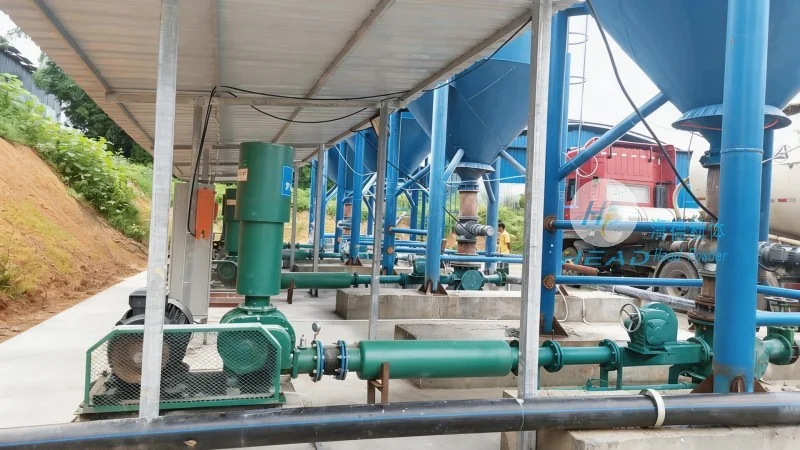
Positive pressure systems operate by blowing air or gas into the conveying line, creating a pressure higher than the ambient air pressure. This method is commonly used for short to medium distance conveying and is particularly effective when the carbon black powder needs to be transported to a higher elevation or over obstacles. The system typically includes a positive displacement blower or a centrifugal fan as the air source, which supplies the necessary pressure to move the powder. The positive pressure approach ensures that the conveying line remains sealed, preventing dust leakage and maintaining a clean environment.
Negative Pressure (Vacuum) Pneumatic Conveying Systems
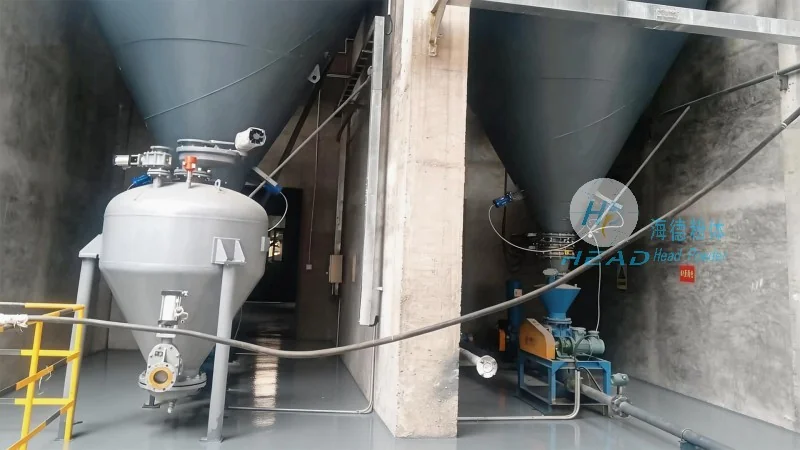
Negative pressure systems, also known as vacuum systems, operate by creating a vacuum in the conveying line, which draws the carbon black powder from the source to the destination. This method is ideal for long-distance conveying and when the material needs to be transported from a higher elevation to a lower one. The system uses a vacuum pump as the air source, which creates a low-pressure environment that pulls the powder through the pipes. Negative pressure systems are often preferred for applications where the material is sensitive to pressure changes or where the conveying line must pass through areas with high ambient dust levels.
Components of Carbon Black Powder Pneumatic Conveying Systems
Regardless of the system type, carbon black powder pneumatic conveying systems consist of several key components that work together to ensure efficient operation. These components include the material source, conveying line, air source, and material separation equipment.
Material Source and Hopper
The material source is typically a storage hopper or silo where the carbon black powder is stored before being conveyed. The hopper is equipped with a feeder, such as a rotary valve or a screw feeder, which controls the flow of the powder into the conveying line. The design of the hopper and feeder is crucial to prevent material bridging and ensure a consistent flow rate. The hopper is usually made of stainless steel or other corrosion-resistant materials to handle the abrasive nature of carbon black powder.
Conveying Line and Pipeline
The conveying line is the main component that transports the carbon black powder from the source to the destination. It is typically made of stainless steel or plastic pipes, depending on the application requirements. The line is designed with appropriate bends and elbows to accommodate changes in direction and elevation. The diameter of the pipe is selected based on the flow rate and the particle size of the carbon black powder to ensure smooth and efficient transport. The line is also equipped with pressure relief valves and check valves to prevent backflow and maintain system stability.
Air Source and Blower/Fan
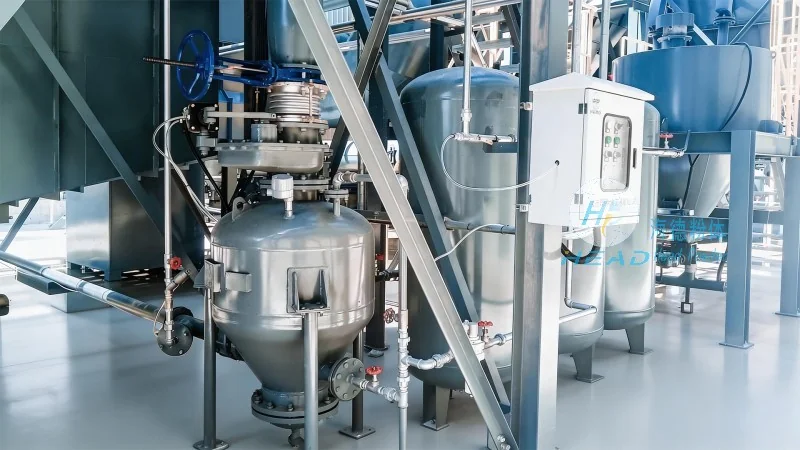
The air source is the heart of the pneumatic conveying system, providing the necessary pressure or vacuum to move the carbon black powder. In positive pressure systems, a positive displacement blower or a centrifugal fan is used to generate the required pressure. The blower is typically a rotary lobe or a sliding vane type, which can deliver high pressure at lower flow rates. In negative pressure systems, a vacuum pump is used to create the vacuum. The choice of air source depends on the system type, the distance to be conveyed, and the material characteristics. The air source is usually equipped with filters and moisture separators to ensure clean air is supplied to the system, preventing contamination of the carbon black powder.
Material Separation and Collection
At the destination, the carbon black powder is separated from the air stream and collected in a receiving hopper or silo. The separation equipment typically includes a cyclone separator or a baghouse filter. The cyclone separator uses centrifugal force to separate the powder from the air, while the baghouse filter uses fabric bags to trap the powder. The separated powder is then discharged into the receiving hopper, which is connected to the processing equipment. The air stream, now free of powder, is either vented to the atmosphere or recirculated back to the system after being filtered.
About HeadPowder: A Leading Manufacturer
HeadPowder, also known as Shandong HeadPowder Engineering Co., Ltd., is a professional manufacturer specializing in the design, production, and installation of carbon black powder pneumatic conveying systems. With a strong focus on quality and innovation, HeadPowder has established itself as a trusted supplier in the industry. The company is located in Shandong, China, and serves clients worldwide with customized solutions tailored to their specific needs. HeadPowder's expertise in material handling and pneumatic conveying technology ensures that their systems are reliable, efficient, and cost-effective, meeting the highest standards of performance and safety.




