For coffee processing facilities, efficient and reliable handling of coffee beans is crucial to maintaining product quality and operational efficiency. The coffee bean powder conveying machine, a specialized piece of equipment designed for transporting and processing coffee bean powders, plays a vital role in modern coffee production lines. This article will delve into the operation process and working principles of such a machine, providing insights into how it contributes to the seamless flow of coffee bean powders from raw material to finished product.
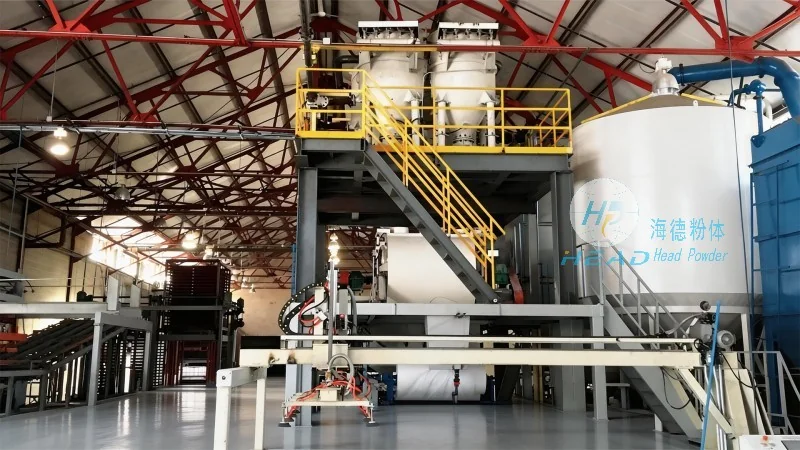
Overview of Coffee Bean Powder Conveying Machines
The coffee bean powder conveying machine is engineered to handle the unique characteristics of coffee bean powders, which include fine particle size, potential moisture content, and the need for gentle handling to preserve flavor and aroma. These machines are typically used in stages such as post-roasting grinding, blending, and packaging, where the consistent and controlled movement of coffee powders is essential. By integrating advanced materials handling technology, these systems ensure minimal product degradation while optimizing throughput and reducing labor costs.
The Core Components and Their Functions
At the heart of a coffee bean powder conveying machine are several key components that work in tandem to achieve efficient operation. The primary components include the hopper, which serves as the storage and feeding chamber for the coffee bean powders; the conveyor mechanism, which may consist of screw conveyors, pneumatic systems, or belt conveyors depending on the specific design; and the control system, which regulates the flow rate and ensures smooth operation. Each component is designed to address the challenges posed by coffee bean powders, such as caking or bridging, by incorporating features like agitators or air knives to maintain material flow.
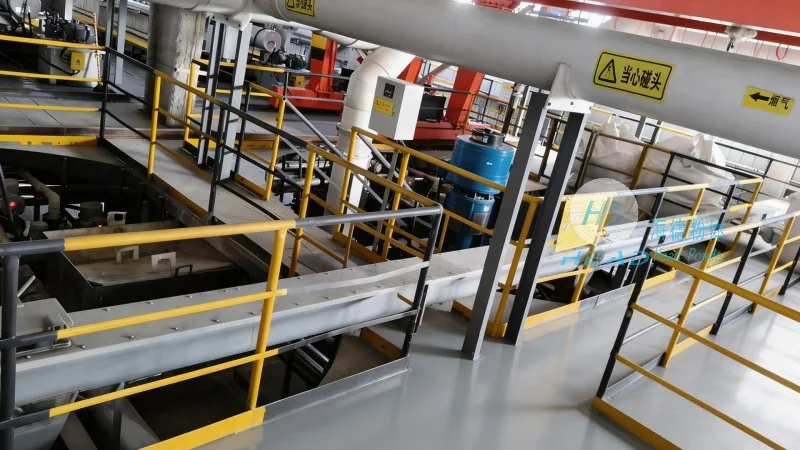
Operation Process: Step-by-Step Breakdown
The operation of a coffee bean powder conveying machine typically follows a structured sequence to ensure optimal performance. The process begins with the loading of coffee bean powders into the hopper, where the material is stored until needed. Once the conveying process is initiated, the control system activates the conveyor mechanism, which moves the powders through the system. In screw conveyor designs, the rotating screw pushes the material forward, while pneumatic systems use air pressure to transport the powders through a pipeline. The conveying speed and pressure are carefully controlled to prevent material degradation and ensure uniform distribution. After the powders are conveyed to the target location, such as a blending tank or packaging unit, the system may include a discharge mechanism to release the material smoothly. Throughout the process, sensors monitor key parameters like flow rate and pressure, providing real-time feedback to the control system for adjustments if necessary.
Working Principle: How It Ensures Efficiency and Quality
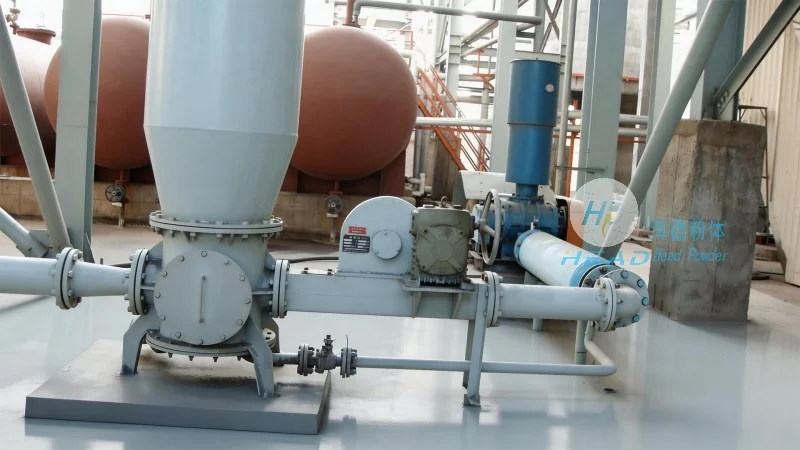
The working principle of a coffee bean powder conveying machine is based on the principles of fluidization and controlled material movement. For screw conveyors, the rotating screw creates a helical path that lifts and moves the powders, while the friction between the screw and the material ensures consistent flow. Pneumatic systems, on the other hand, rely on the pressure differential created by compressed air to move the powders through the pipeline. The key to both systems is maintaining a balance between the conveying speed and the material's properties to avoid issues like blockages or excessive pressure. Additionally, the machine may incorporate features like temperature control or moisture management to preserve the quality of the coffee bean powders during transport. By adhering to these principles, the coffee bean powder conveying machine ensures that the product remains in optimal condition from the moment it leaves the roasting or grinding stage until it reaches the packaging line.
Benefits and Applications in Coffee Production
The implementation of coffee bean powder conveying machines offers numerous benefits to coffee processing facilities. These include improved operational efficiency through automated material handling, reduced labor costs by minimizing manual intervention, and enhanced product quality by preventing contamination or degradation. The machines are widely used in various stages of coffee production, including post-roasting grinding, flavor blending, and bulk packaging. For example, in a large-scale coffee roasting plant, the conveying machine can efficiently transport freshly ground coffee powders from the grinding unit to the blending room, ensuring that the powders are mixed uniformly and without loss of aroma. Similarly, in a coffee packaging facility, the machine can deliver the powders to the filling machines, maintaining consistent flow rates and preventing clogging. Overall, the coffee bean powder conveying machine is an indispensable tool for modern coffee production, enabling facilities to meet high standards of quality and productivity.
About Shandong HeadPowder Engineering Co., Ltd.
Shandong HeadPowder Engineering Co., Ltd., operating under the brand name headpowder, is a leading manufacturer of specialized powder handling equipment, including coffee bean powder conveying machines. With a strong commitment to innovation and quality, the company has established itself as a trusted partner in the coffee processing industry. HeadPowder's products are designed to meet the unique demands of coffee production, incorporating advanced engineering solutions to address the challenges of handling fine powders. The company's headquarters is located in Shandong, China, where it leverages local expertise and resources to develop cutting-edge technology. By providing reliable and efficient equipment, HeadPowder aims to support coffee producers in achieving their operational goals while maintaining the highest standards of product quality.




