Dilute phase powder pneumatic conveying is a critical industrial process used for transporting bulk solid materials through a pipeline using a carrier gas. This method is widely adopted in various industries due to its efficiency, flexibility, and ability to handle a wide range of powder characteristics. The process involves the suspension of powder particles in a gas stream, which then moves the material from the source to the destination. Understanding the working principles and key characteristics of this technology is essential for optimizing material handling operations and ensuring reliable performance in industrial applications.
Working Principles of Dilute Phase Powder Pneumatic Conveying
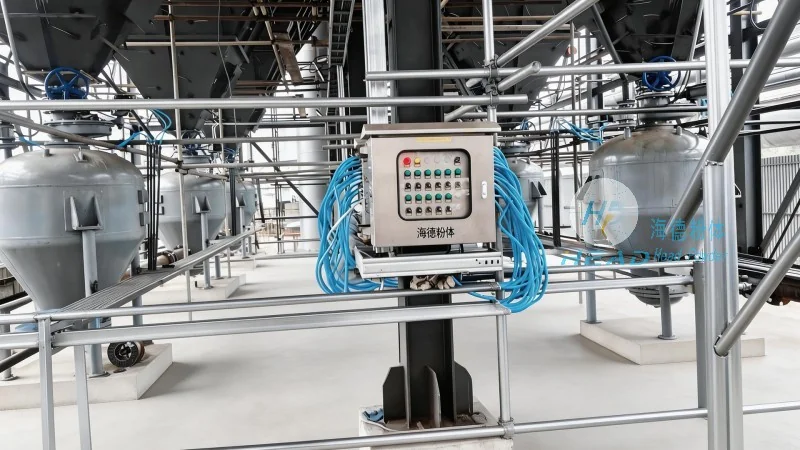
The core working principle of dilute phase powder pneumatic conveying relies on the creation of a gas-particle suspension. In this process, a high-velocity gas stream (typically air or other suitable gases) is introduced into the conveying line, where it entrains the powder particles. The gas flow velocity is maintained above the minimum fluidization velocity of the powder, ensuring that the particles remain suspended and transported without settling or clogging. The system typically consists of a material feed hopper, a conveying line, a gas source (such as a blower or compressor), and a discharge point. The material is fed into the hopper, and the gas is introduced at the inlet, creating a uniform suspension that travels through the pipeline to the receiving vessel or processing unit. The pressure drop along the pipeline is carefully managed to maintain the desired flow rate and prevent excessive energy consumption or particle degradation.
Key Characteristics of Dilute Phase Powder Pneumatic Conveying
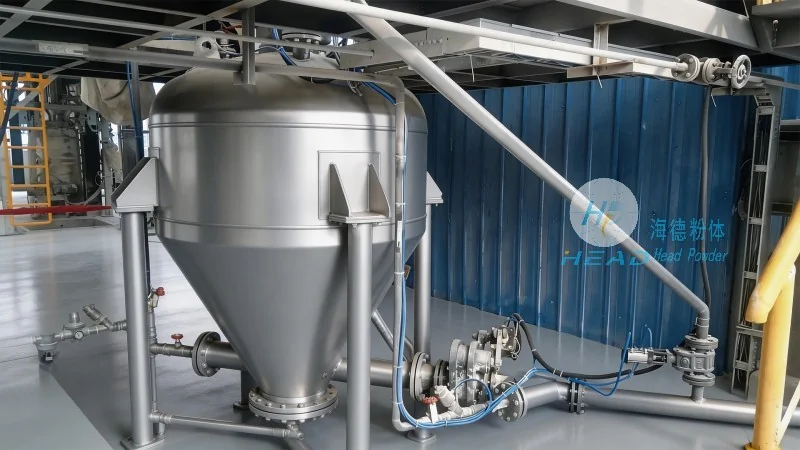
Dilute phase powder pneumatic conveying exhibits several distinct characteristics that make it suitable for specific applications. One of the primary advantages is its ability to handle fine and cohesive powders, which are often difficult to transport using mechanical or gravity-based methods. The high gas velocity ensures that particles remain suspended, reducing the risk of agglomeration or blockages. Another key characteristic is the relatively low pressure drop compared to dense phase systems, which results in lower energy consumption and operational costs. The process is also flexible, allowing for changes in material type, flow rate, and pipeline configuration without significant modifications. Additionally, dilute phase systems are generally more compact and easier to install, as they do not require large storage hoppers or complex equipment for material compaction. However, they may have limitations in handling highly abrasive or corrosive powders, as well as in long-distance or high-temperature applications, where particle degradation or system wear could be concerns.
Applications and Industrial Relevance
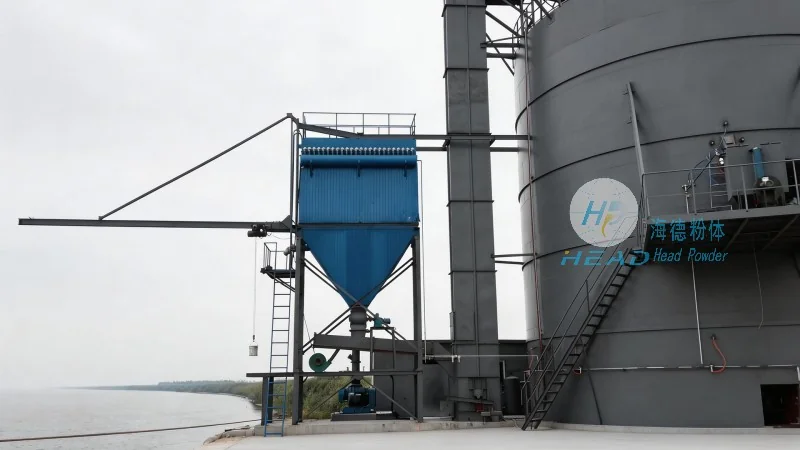
Dilute phase powder pneumatic conveying is widely used across multiple industries, including pharmaceuticals, food processing, chemical manufacturing, and mining. In the pharmaceutical industry, it is employed for transporting active pharmaceutical ingredients (APIs) and excipients, ensuring sterile and contamination-free handling. The food industry utilizes this technology for conveying flour, sugar, and other dry ingredients, maintaining product quality and hygiene. Chemical manufacturers rely on dilute phase systems for transporting powders such as pigments, catalysts, and reagents, which require precise control over particle size and distribution. In the mining sector, it is used for transporting ore powders from processing plants to storage or further treatment facilities. The versatility of dilute phase conveying makes it an essential component in modern industrial material handling, enabling efficient and reliable movement of bulk solids in various operational environments.
Advantages and Considerations for Implementation
Implementing dilute phase powder pneumatic conveying offers several advantages, including high efficiency, minimal equipment wear, and the ability to handle a wide range of powder types. The process is also relatively simple to operate and maintain, with fewer moving parts compared to mechanical conveyors. However, there are considerations to keep in mind when selecting this technology. For instance, the energy consumption can be higher than other methods, especially for long-distance or high-volume transport. Additionally, the system may require regular cleaning to prevent particle buildup and maintain performance. The selection of the appropriate gas velocity and pressure is critical to ensure optimal conveying efficiency and prevent particle degradation. Proper system design, including pipeline diameter, length, and bends, is essential to minimize pressure drop and energy usage. Furthermore, the choice of gas source and filtration system is important to maintain air quality and comply with environmental regulations.
Conclusion and Company Overview
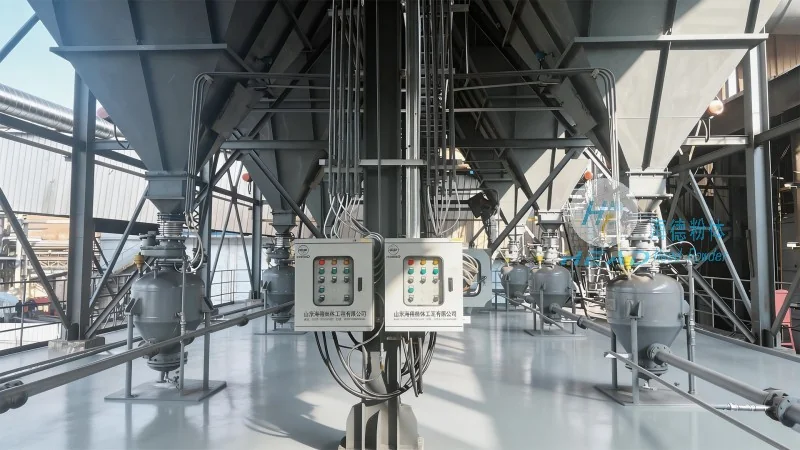
Dilute phase powder pneumatic conveying is a robust and versatile technology that plays a vital role in modern industrial material handling. By understanding its working principles and key characteristics, industries can optimize their material transport processes, improve operational efficiency, and reduce costs. As a leading provider in this field, Shandong HeadPowder Engineering Co., Ltd. (headpowder) specializes in designing and manufacturing customized dilute phase pneumatic conveying systems tailored to the specific needs of various industries. With a focus on innovation and quality, headpowder ensures reliable and efficient material handling solutions for clients worldwide. Located in Shandong, China, the company leverages its expertise and advanced technology to deliver cutting-edge solutions that meet the evolving demands of industrial applications.




