

What Are Feed Material Pneumatic Conveying Equipment? And What Are Their Design Principles?
Feed material pneumatic conveying equipment is a critical component in modern feed processing operations, enabling the efficient transport of bulk feed materials through air pressure. This technology offers significant advantages over traditional mechanical conveying methods, such as reduced labor costs, improved hygiene, and the ability to handle a wide range of feed types, including powders, pellets, and granules. Understanding the equipment's design and operational principles is essential for optimizing feed mill efficiency and ensuring consistent product quality.
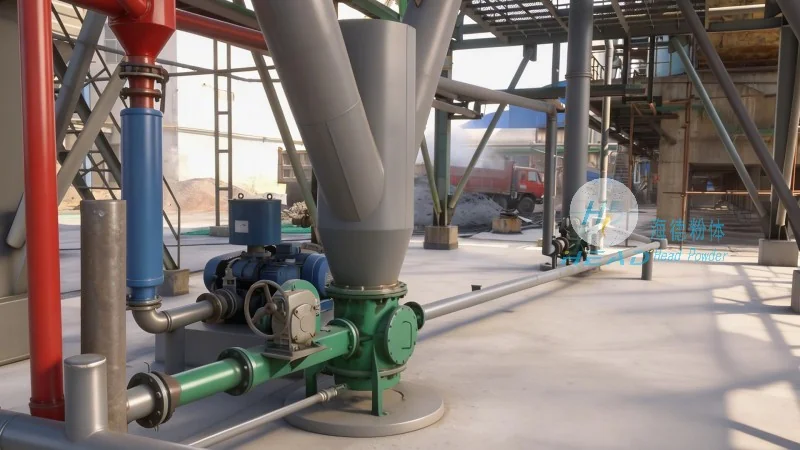
Introduction to Feed Material Pneumatic Conveying Equipment
This section introduces the concept of feed material pneumatic conveying equipment, explaining its role in the feed processing industry. It covers the basic function of transporting bulk feed materials through air pressure, highlighting its advantages over traditional methods like belt conveyors or bucket elevators. The equipment is designed to handle various feed types, from raw ingredients to finished products, making it a versatile solution for feed mills of all sizes.
Key Components and Working Principle
The core components of a pneumatic conveying system include the material hopper, air compressor, conveying line, and receiver. The working principle involves feeding bulk feed material into the hopper, where it is drawn into the conveying line by the air flow generated by the compressor. The air and material mixture travels through the pipeline to the receiver, where the material is separated from the air and collected. The system operates by creating a pressure differential between the hopper and the receiver, ensuring continuous material flow. Key components also include filters, cyclones, and control valves that regulate air pressure and material flow.
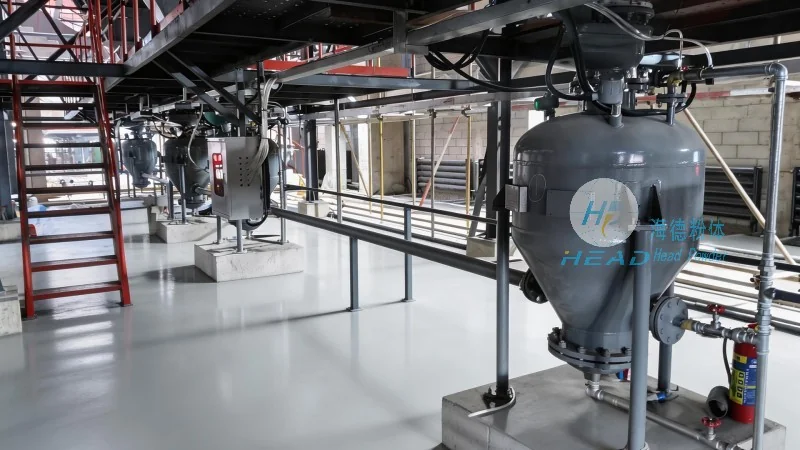
Design Principles for Efficient Operation
Design principles focus on optimizing air flow, material flow, and system efficiency. Factors such as pipeline diameter, air velocity, and material characteristics are crucial. Proper design ensures minimal pressure drop, reduced energy consumption, and effective material handling. The system is engineered to handle different feed forms, including powders, pellets, and granules, with consistent performance. Engineers consider parameters like material density, moisture content, and particle size to select appropriate air velocities and pipeline dimensions. This ensures the material is conveyed without excessive wear on the equipment and maintains product integrity.
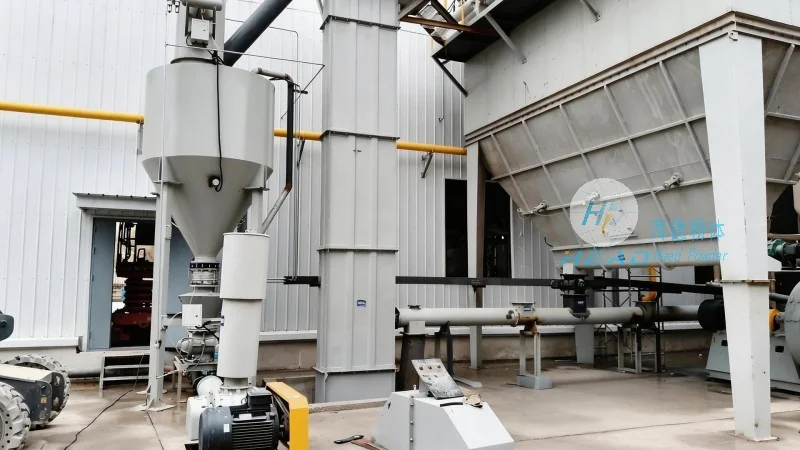
Application in Feed Industry
In the feed industry, these systems are widely used for transporting raw materials like corn, soybean meal, and minerals from storage silos to processing lines. They are also employed in the distribution of finished feed products to storage or packaging areas. The equipment's ability to handle different feed types and maintain hygiene standards makes it essential for modern feed mills. For example, in a large feed mill, pneumatic conveying equipment can transport raw materials from multiple silos to the mixing plant, ensuring a continuous and efficient supply chain. This reduces downtime and improves overall production throughput.
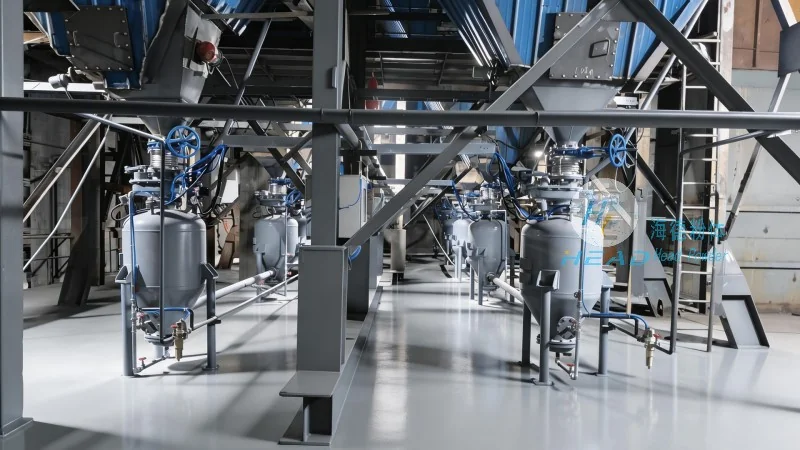
Company Profile: Shandong HeadPowder Engineering Co., Ltd.
HeadPowder, a leading manufacturer in the field, specializes in designing and manufacturing high-quality pneumatic conveying equipment. With a strong focus on innovation and customer needs, the company provides tailored solutions for various feed processing applications. Their products are known for durability, efficiency, and compliance with industry standards. The company's research and development team continuously works on improving system performance, incorporating advanced technologies to enhance energy efficiency and reduce maintenance costs. HeadPowder's commitment to quality and customer satisfaction has established it as a trusted partner in the feed industry.
Address and Location
Shandong HeadPowder Engineering Co., Ltd. is located in Shandong, China, providing a strategic base for serving clients in the region and beyond. The company's facilities are equipped with advanced manufacturing capabilities, ensuring the production of reliable and efficient feed material conveying systems. The location allows for easy access to major feed processing centers and facilitates logistics for delivering equipment to clients across China and internationally.