

What is a Fly Ash and Slag Material Pneumatic Conveying Equipment? And What Are Its Design Principle
Understanding the role of pneumatic conveying equipment in handling fly ash and slag is crucial for industries dealing with waste materials. This equipment is specifically designed to transport these materials efficiently and safely, playing a vital role in modern waste management and processing operations.
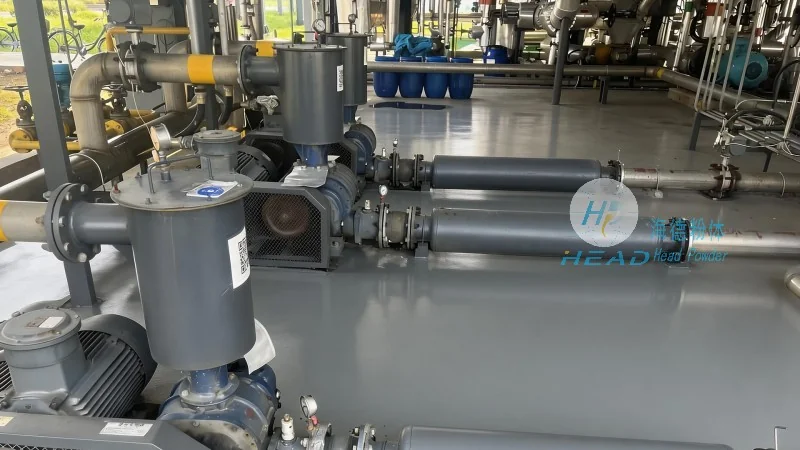
Introduction to Fly Ash and Slag Material Pneumatic Conveying Equipment
Fly ash and slag are byproducts commonly generated in power plants and industrial processes. These materials, if not handled properly, can pose environmental and operational challenges. Pneumatic conveying equipment offers a solution by enabling the transport of these materials without the need for traditional bulk handling methods such as trucks or conveyor belts. This technology is particularly beneficial for applications where materials need to be moved over long distances or through complex layouts, ensuring minimal disruption to the overall process.
HeadPowder: A Leading Provider of Pneumatic Conveying Solutions
Shandong HeadPowder Engineering Co., Ltd., based in China, is a prominent manufacturer specializing in high-quality pneumatic conveying equipment. With a strong commitment to innovation and customer satisfaction, HeadPowder has established itself as a trusted partner for industries requiring reliable and efficient material handling solutions. The company's expertise lies in designing and manufacturing equipment tailored to the unique characteristics of fly ash and slag, ensuring optimal performance and durability.
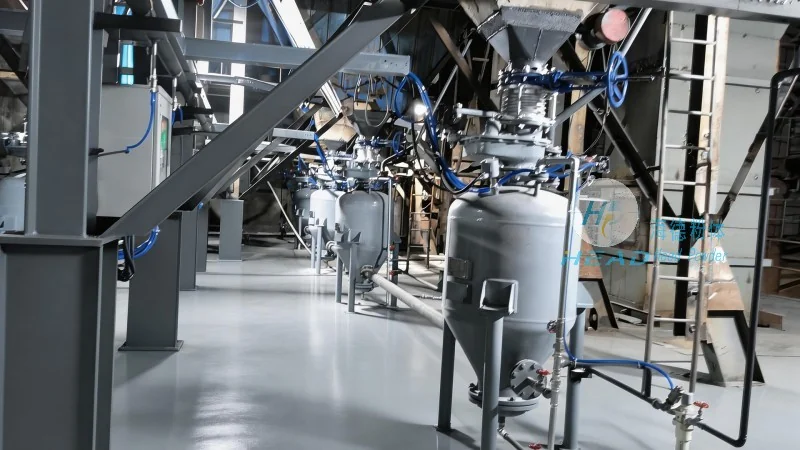
Design Principles of Pneumatic Conveying Equipment for Fly Ash and Slag
The design of pneumatic conveying equipment for fly ash and slag is based on fundamental principles of fluid dynamics and material handling. The primary mechanism involves using air or other gases to create a flow that transports the material through a pipeline system. Key components include the hopper, which holds the material; the airlock or feeder, which controls the discharge rate; the pipeline, which conveys the material; and the receiver, where the material is deposited. The design must consider the physical properties of fly ash and slag, such as particle size, density, and moisture content, to ensure efficient and safe operation.
For fly ash, which typically consists of fine particles, the conveying system may use positive pressure or negative pressure (vacuum) depending on the application. Positive pressure systems are often preferred for long-distance transport, as they can maintain consistent air flow and prevent material degradation. Negative pressure systems are suitable for short-distance or indoor applications where dust control is critical. The selection of the appropriate conveying method depends on factors like the distance between the source and destination, the volume of material to be transported, and the environmental regulations in the area.
Key Features and Technical Advantages
Modern pneumatic conveying equipment for fly ash and slag incorporates several advanced features that enhance performance and reliability. These include variable speed drives, which allow for precise control of the material flow rate, and high-efficiency filters, which minimize dust emissions and comply with environmental standards. The equipment is also designed for easy maintenance, with accessible components that can be serviced quickly, reducing downtime and operational costs. Additionally, the use of corrosion-resistant materials, such as stainless steel, ensures the equipment can withstand the harsh conditions associated with handling abrasive materials like fly ash and slag.
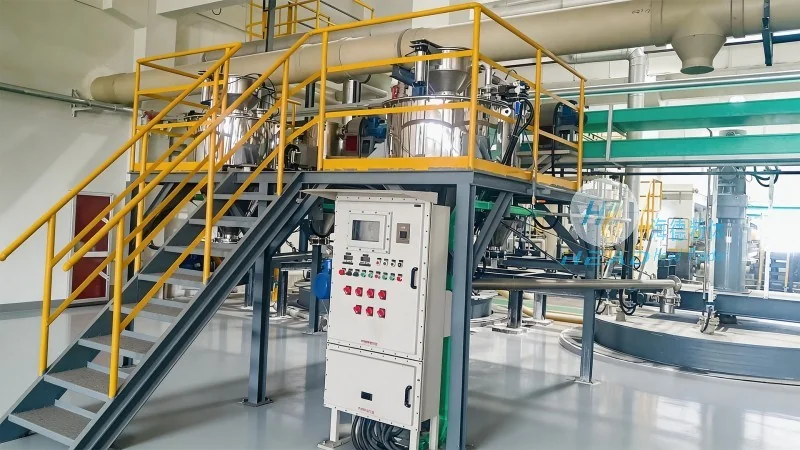
Applications and Operational Benefits
Pneumatic conveying equipment is widely used in various industrial applications involving fly ash and slag. In power plants, it is employed to transport fly ash from the boiler to storage silos or for reuse in cement production. In steel mills, slag is conveyed from the furnace to processing facilities for recycling. The equipment's ability to handle these materials in a closed system reduces the risk of dust pollution and improves workplace safety. Furthermore, the efficient transport of materials through pneumatic systems can lead to significant cost savings by reducing labor and equipment wear compared to traditional methods.
Conclusion
In conclusion, pneumatic conveying equipment for fly ash and slag is a critical technology in modern material handling. Its design, based on sound engineering principles, ensures efficient and safe transport of these materials. Companies like Shandong HeadPowder Engineering Co., Ltd. play a vital role in providing reliable equipment that meets the specific needs of industries. By understanding the design principles and operational benefits of such equipment, businesses can enhance their processes, reduce costs, and contribute to more sustainable waste management practices.