

What is a Foam Powder Material Handling System Equipment? What is its Design Principle?
For industrial applications involving the transport of foam powder materials, specialized equipment is essential to ensure efficient and safe material handling. This article explores the concept of a foam powder material handling system, detailing its components and the underlying design principles that enable effective operation.
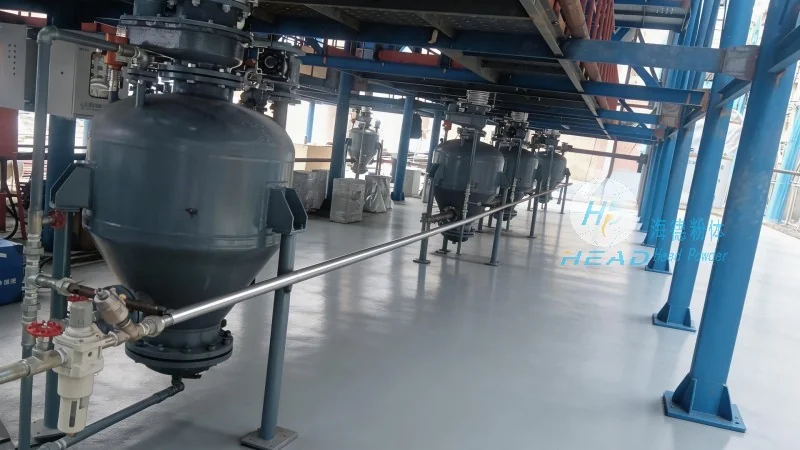
Understanding Foam Powder Material Handling Systems
A foam powder material handling system is a specialized piece of industrial equipment designed to transport and manage foam powder materials. These systems are crucial in various industries, including pharmaceuticals, food processing, and chemical manufacturing, where the handling of fine, lightweight powders requires precision and control. The primary goal of such systems is to move foam powder from one location to another while maintaining its integrity, preventing contamination, and minimizing dust generation.
Key Components of a Foam Powder Material Handling System
The design of a foam powder material handling system typically includes several key components that work in concert to achieve efficient material transport. These components may include:
1. Feeding Mechanism: This component is responsible for introducing the foam powder into the system. It may involve hoppers, feeders, or rotary valves that control the flow rate of the material. The feeding mechanism is designed to handle the unique properties of foam powder, such as its low bulk density and tendency to flow irregularly.
2. Pneumatic Conveying System: Many foam powder handling systems utilize pneumatic conveying technology. This involves using air or other gases to transport the powder through a pipeline. The system may include components like blowers, filters, and cyclones to ensure the material is conveyed effectively and safely.
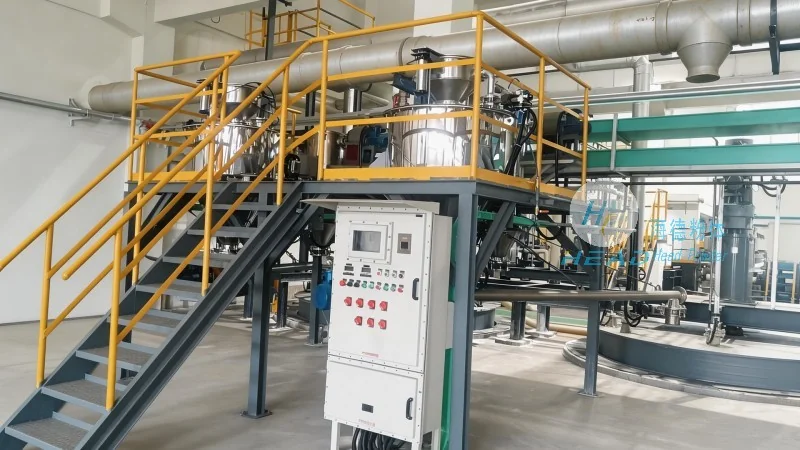
3. Control System: A sophisticated control system is integrated into the design to monitor and regulate the operation of the material handling process. This system may include sensors, valves, and programmable logic controllers (PLCs) that adjust the flow rate, pressure, and other parameters to maintain optimal performance.
4. Dust Collection and Filtration: Given the fine nature of foam powder, dust collection and filtration are critical components. These systems help to capture and remove airborne particles, ensuring a clean working environment and preventing product contamination.
Design Principles for Effective Foam Powder Handling
The design of a foam powder material handling system is guided by several key principles to ensure optimal performance and safety. These principles include:
1. Airflow Management: Proper airflow is essential to maintain the flow of foam powder through the system. The design must consider factors such as air velocity, pressure drop, and the material's particle size to prevent blockages and ensure consistent transport.
2. Material Compatibility: The system components must be compatible with the foam powder being handled. This includes using materials that are resistant to corrosion, abrasion, and chemical reactions, ensuring long-term durability and reliability.
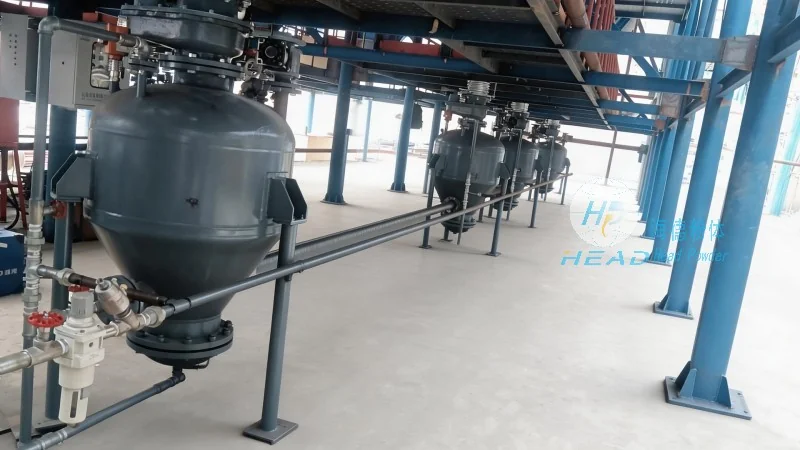
3. Prevention of Agglomeration: Foam powder can tend to agglomerate or clump together, which can cause blockages and reduce system efficiency. The design incorporates features like vibration, agitation, or special hopper designs to prevent agglomeration and maintain a consistent flow.
4. Energy Efficiency: Modern foam powder handling systems are designed with energy efficiency in mind. This includes optimizing air pressure, reducing friction, and using advanced control systems to minimize energy consumption while maintaining performance.
Applications and Benefits of Foam Powder Handling Systems
Foam powder material handling systems are widely used in various industrial applications. For example, in the pharmaceutical industry, they are used to transport active pharmaceutical ingredients (APIs) and excipients with high precision. In the food industry, they handle ingredients like powdered milk or sugar, ensuring consistent quality and safety. The benefits of using such systems include improved process efficiency, reduced labor costs, enhanced product quality, and improved workplace safety through minimized dust exposure.
Conclusion
In conclusion, a foam powder material handling system is a sophisticated piece of equipment designed to efficiently and safely transport foam powder materials. The design principles, including proper airflow management, material compatibility, and prevention of agglomeration, are crucial to ensuring optimal performance. Companies like Shandong HeadPowder Engineering Co., Ltd., based in China, specialize in the design and manufacturing of such systems, providing tailored solutions for various industrial needs.