Efficient and reliable material handling is crucial in the chemical and fertilizer industries, particularly when dealing with bulk materials like potassium chloride (KCl). Pneumatic conveying systems offer a solution to transport these materials over long distances without the need for complex mechanical equipment. This article provides an in-depth analysis of the two primary pneumatic conveying modes—positive pressure and negative pressure systems—specifically tailored for potassium chloride transport, and compares their operational characteristics, advantages, and limitations.
Introduction to Pneumatic Conveying for Potassium Chloride
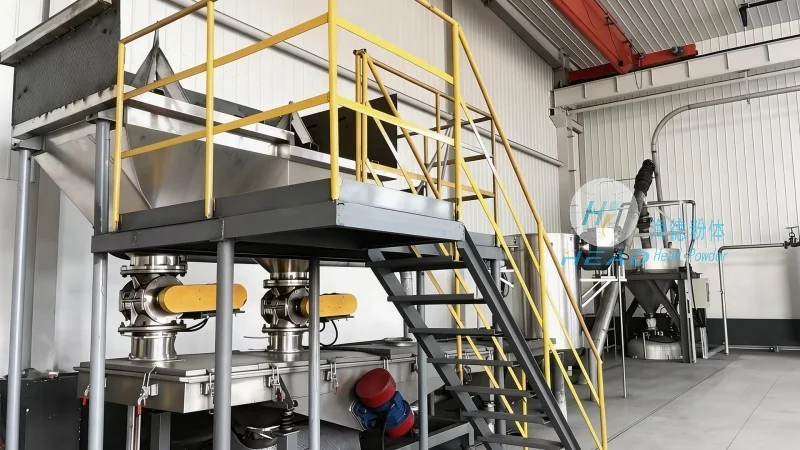
Potassium chloride is a widely used agricultural fertilizer and industrial chemical, requiring safe and efficient transportation from production sites to processing facilities or distribution centers. Pneumatic conveying technology utilizes air or gas to move bulk solids through a pipeline network, eliminating the need for traditional belt conveyors or bucket elevators. For KCl, which can be abrasive and potentially corrosive to equipment, the choice of conveying mode is critical to ensure system longevity and operational efficiency.
Positive Pressure Pneumatic Conveying System
Positive pressure systems operate by blowing air or gas into the conveying line, creating a pressure higher than the ambient air pressure. This method is particularly effective for transporting potassium chloride over long distances or through complex network configurations. The system typically includes a positive displacement blower or a high-pressure compressor that generates the necessary air pressure to move the material.
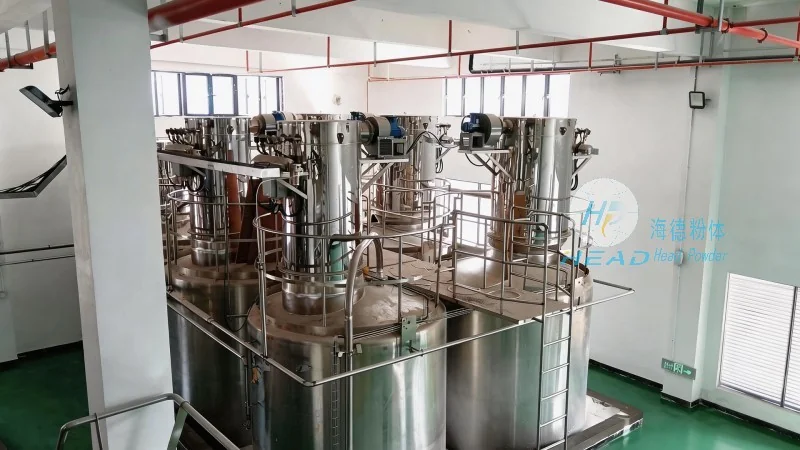
In a positive pressure setup, the material is fed into the pipeline at the inlet, where it is mixed with the pressurized air. The air velocity is maintained above the material's terminal velocity to ensure proper suspension and transport. This mode is well-suited for applications requiring high material throughput and long transport distances, such as moving KCl from a mine to a processing plant located several kilometers away.
Key advantages of positive pressure systems include their ability to handle high material loads, their suitability for long-distance transport, and their reduced risk of material degradation due to the enclosed system. However, these systems require robust equipment to withstand the higher pressures, and they may be more expensive to install and maintain compared to negative pressure alternatives.
Negative Pressure Pneumatic Conveying System
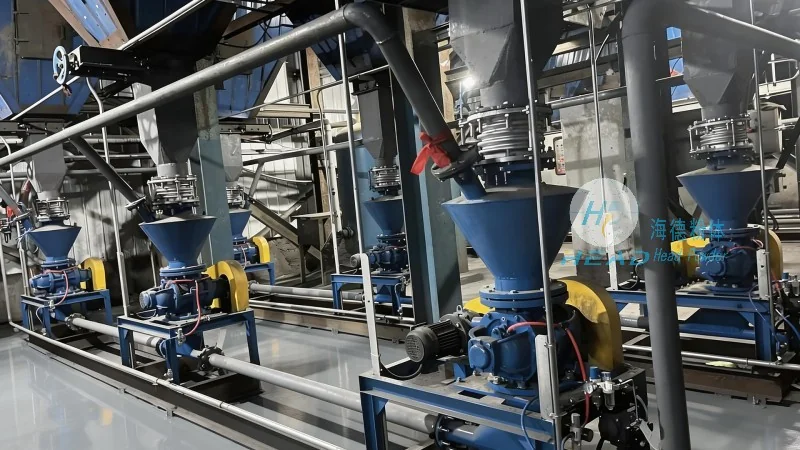
Negative pressure systems, also known as vacuum or suction systems, operate by creating a vacuum in the conveying line, drawing material into the pipeline from the source. The system uses a vacuum pump or fan to create a pressure lower than ambient, which pulls the material along with the air flow.
For potassium chloride, negative pressure systems are often preferred for short to medium distance transport, such as moving material from a storage silo to a processing unit within a facility. The material is typically fed into the inlet using a hopper or feeder, and the vacuum pulls the KCl through the pipeline. This mode is generally less expensive to install and easier to maintain, as it operates at lower pressures and requires less robust equipment.
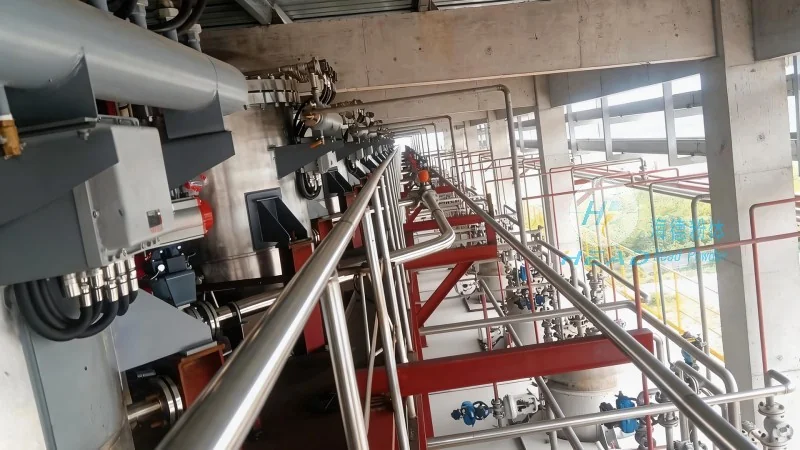
However, negative pressure systems have limitations when dealing with high material loads or long distances. The vacuum pump must be powerful enough to overcome the resistance of the pipeline and the material's density, and the system may experience higher air consumption rates, leading to increased energy costs. Additionally, the risk of material spillage or dust emissions at the inlet is higher in negative pressure systems, requiring additional containment measures.
Comparison of Positive and Negative Pressure Modes for KCl Conveying
When selecting a pneumatic conveying system for potassium chloride, the choice between positive and negative pressure modes depends on several factors, including the distance between the source and destination, the required material throughput, the system complexity, and the available budget. The following table summarizes the key differences between the two modes:




