HeadPowder, a leading enterprise based in Shandong, China, specializes in engineering solutions for industries requiring stringent contamination control. This article explores the fundamental aspects of dust-free closed material handling systems, including their core functions and the underlying design principles that ensure operational excellence.
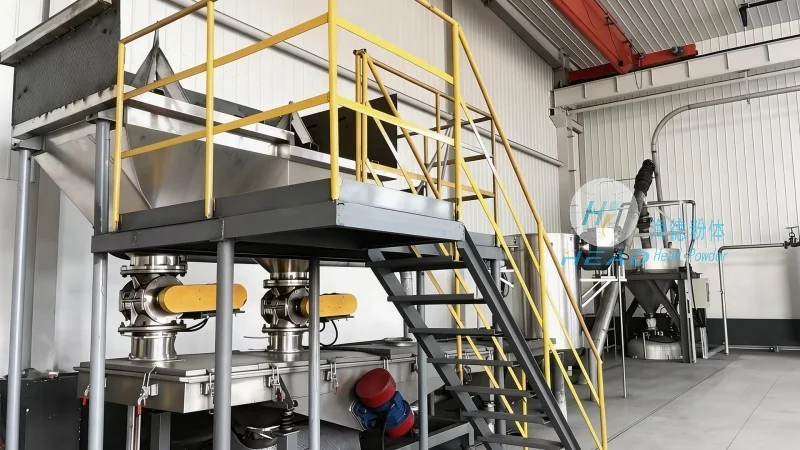
Understanding the Core Purpose of Dust-Free Systems
In industries such as pharmaceuticals, electronics manufacturing, and food processing, maintaining a clean environment is paramount. Dust-free closed material handling systems are engineered to transport bulk materials without exposing them to external contaminants or releasing airborne particles. This is achieved through airtight enclosures and sealed mechanisms that prevent dust, moisture, and other impurities from entering or exiting the system.
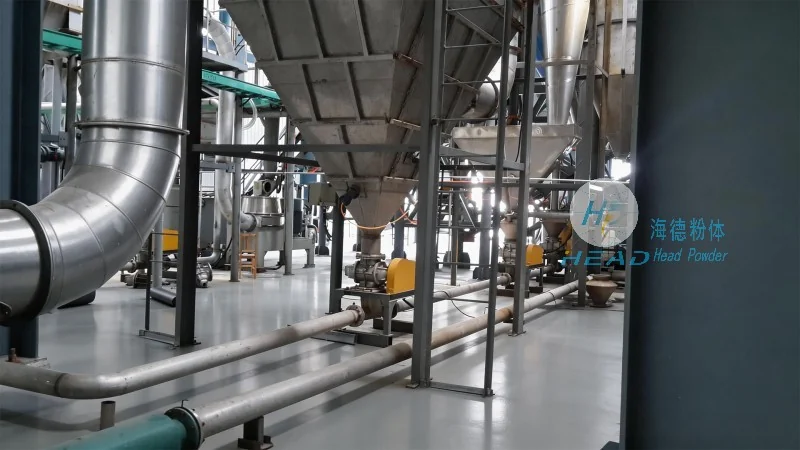
Key Design Principles of Dust-Free Material Handling
The design of a dust-free closed system revolves around several critical principles to ensure optimal performance and compliance with industry standards. First, the system must feature a fully enclosed structure with minimal or no openings, which are sealed using gaskets, clamps, or other sealing technologies. This prevents dust ingress and maintains a controlled internal environment. Second, the material of construction is crucial; components are typically made from stainless steel, food-grade plastics, or other corrosion-resistant materials to withstand harsh conditions and maintain hygiene. Third, the system incorporates positive pressure or negative pressure control to prevent external air from entering the enclosure, further reducing the risk of contamination. Additionally, the design emphasizes smooth surfaces and minimal dead zones to facilitate cleaning and prevent material accumulation, which could otherwise become sources of contamination.
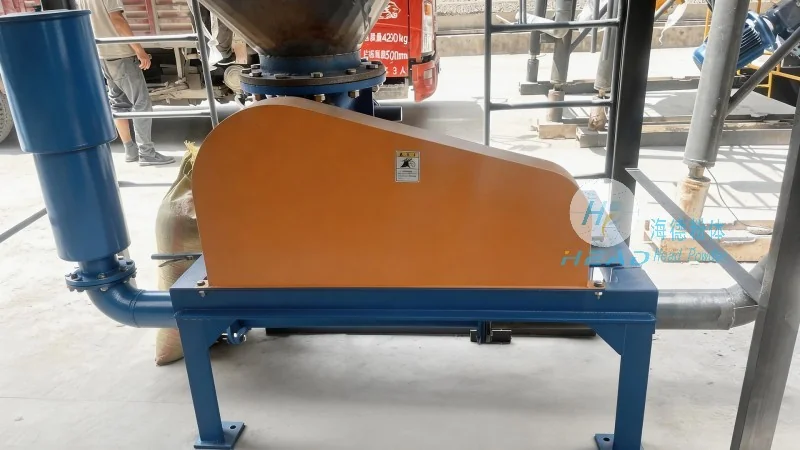
Components and Operational Mechanisms
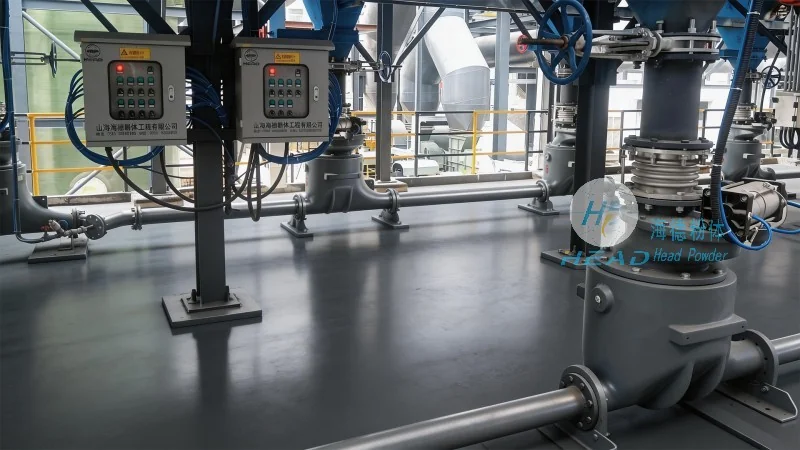
HeadPowder’s dust-free closed material handling systems typically consist of several key components, each playing a vital role in the overall functionality. The primary components include the conveyor or transfer mechanism, which may be a screw conveyor, belt conveyor, or pneumatic system, all enclosed within a sealed housing. The housing is designed with access ports for material loading and unloading, which are equipped with interlocked doors to maintain the sealed environment. Sensors and control systems are integrated to monitor pressure, temperature, and material flow, ensuring the system operates within safe and efficient parameters. The control panel allows operators to adjust settings such as speed, pressure, and material feed rate, providing flexibility for different material types and processing requirements.
Benefits and Applications
The adoption of dust-free closed material handling systems offers numerous advantages for businesses. By eliminating dust and airborne particles, these systems enhance product quality and reduce the risk of contamination-related recalls or production downtime. They also improve workplace safety by minimizing exposure to hazardous dusts. Furthermore, the enclosed design facilitates easier cleaning and maintenance, reducing downtime and operational costs. HeadPowder’s systems are widely used in pharmaceutical manufacturing for transporting active pharmaceutical ingredients (APIs), in semiconductor fabrication for handling sensitive materials, and in food processing for transporting ingredients without compromising food safety. The versatility of these systems makes them suitable for a wide range of applications where purity and contamination control are critical.
Conclusion
HeadPowder Engineering Co., Ltd., located in Shandong, China, provides advanced dust-free closed material handling systems that adhere to the highest standards of design and functionality. By integrating robust engineering principles and high-quality materials, these systems ensure reliable operation and compliance with industry regulations. For industries seeking to maintain a clean and safe working environment while optimizing material handling efficiency, HeadPowder’s solutions offer a reliable and effective approach. The design principles, components, and operational benefits outlined in this article highlight the importance of dust-free systems in modern manufacturing and processing.




