Alumina hydroxide, a key chemical compound widely used in various industrial applications, often requires efficient and reliable material handling solutions. The alumina hydroxide pneumatic conveying system is a specialized equipment designed to transport this material from one location to another with precision and minimal loss. This article explores the fundamental aspects of such systems, including their design principles and the technical considerations that ensure optimal performance.
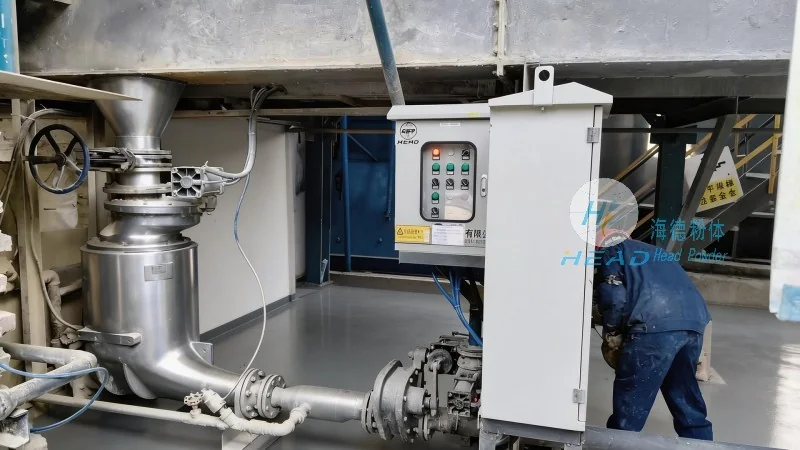
Understanding the Alumina Hydroxide Pneumatic Conveying System
The alumina hydroxide pneumatic conveying system is a type of pneumatic transport equipment that utilizes air or other gases to move solid particles, in this case, alumina hydroxide, through a pipeline network. Unlike traditional mechanical conveying methods, which rely on mechanical components like belts or buckets, pneumatic systems use pressure differentials to propel the material. This method offers several advantages, including reduced maintenance, lower energy consumption, and the ability to handle materials that are difficult to transport using conventional means.
Key Components of the System
At the core of an alumina hydroxide pneumatic conveying system are several critical components that work in tandem to ensure smooth operation. These include the material feed hopper, which holds the alumina hydroxide and regulates its flow into the system; the air compressor or blower, which generates the necessary air pressure to move the material; the conveying pipeline, which forms the path for the material and air; and the discharge hopper or silo, where the material is collected at the destination. Each component plays a vital role in maintaining the system's efficiency and ensuring the safe and effective transport of the material.
Design Principles and Technical Considerations
The design of an alumina hydroxide pneumatic conveying system is guided by several key principles aimed at optimizing performance and minimizing operational issues. One of the primary considerations is the material's physical properties, such as its particle size, density, and moisture content. These factors influence the system's design, including the type of air compressor, the pipeline diameter, and the velocity of the air flow. For instance, finer particles may require higher air velocities to prevent clogging, while larger particles might need a larger pipeline diameter to maintain consistent flow.
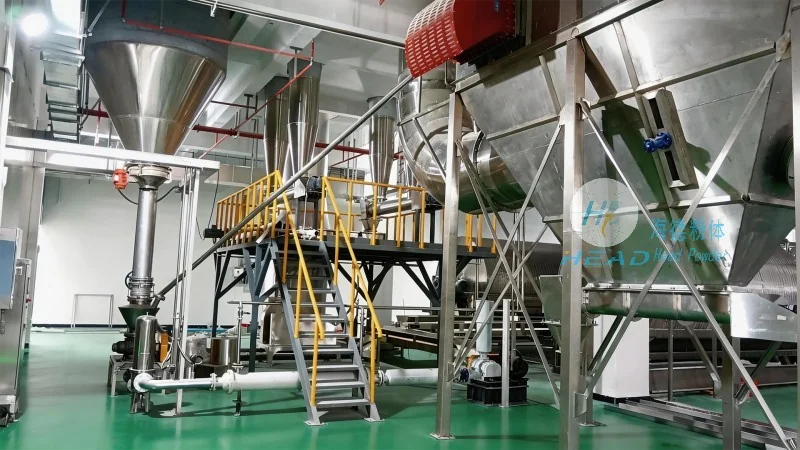
Another critical design principle is the system's pressure and flow rate management. The air compressor must generate sufficient pressure to overcome the resistance in the pipeline and the weight of the material. Proper flow rate control is essential to prevent material degradation or excessive wear on system components. Engineers often use computational fluid dynamics (CFD) simulations to model the system's behavior and optimize the design parameters before implementation.
Advantages of Using a Pneumatic Conveying System for Alumina Hydroxide
Implementing an alumina hydroxide pneumatic conveying system offers numerous benefits over traditional transport methods. One of the most significant advantages is the reduction in material handling time and labor costs. By automating the transport process, companies can increase production efficiency and reduce the risk of human error. Additionally, pneumatic systems provide better material containment, minimizing dust emissions and environmental impact. This is particularly important for alumina hydroxide, which can be a fine powder and pose respiratory hazards if not handled properly.
Furthermore, the system's flexibility allows for easy integration into existing industrial processes. It can be configured to handle varying material volumes and flow rates, making it suitable for both small-scale and large-scale operations. The modular design of many pneumatic conveying systems also enables easy expansion or modification as production needs change. This adaptability is a key factor in the long-term cost-effectiveness of the system.
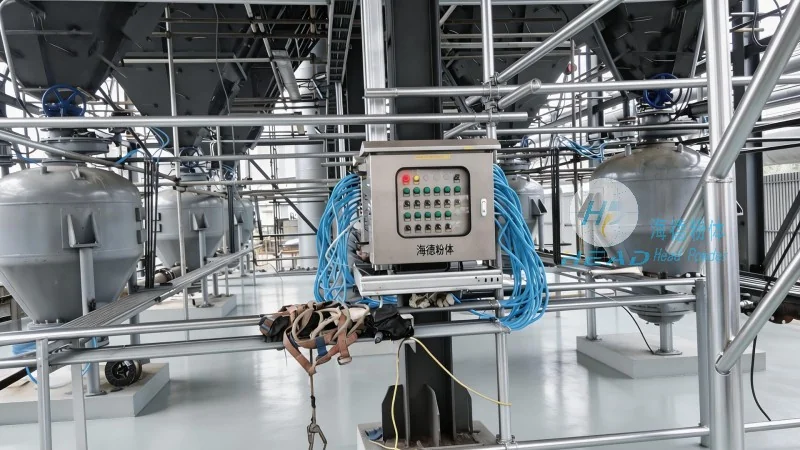
About Shandong HeadPowder Engineering Co., Ltd.
Shandong HeadPowder Engineering Co., Ltd., commonly known as HeadPowder, is a leading manufacturer and supplier of advanced material handling equipment, including pneumatic conveying systems. With a strong focus on innovation and customer satisfaction, HeadPowder has established itself as a trusted partner in the chemical and industrial sectors. The company's headquarters is located in Shandong, China, where it leverages its expertise in engineering and manufacturing to develop high-quality solutions tailored to the specific needs of its clients.
HeadPowder's commitment to quality is evident in its adherence to international standards and rigorous testing protocols. Each product, including the alumina hydroxide pneumatic conveying system, undergoes thorough quality checks to ensure compliance with industry requirements. The company also provides comprehensive after-sales support, including installation, maintenance, and technical assistance, to ensure that clients can maximize the system's performance and lifespan.
Conclusion
In summary, the alumina hydroxide pneumatic conveying system is a sophisticated and efficient solution for transporting this critical chemical compound. Its design, based on sound engineering principles and tailored to the material's properties, ensures reliable operation and minimal operational challenges. Companies seeking to enhance their material handling capabilities can benefit from the expertise and products offered by Shandong HeadPowder Engineering Co., Ltd., a reputable manufacturer with a proven track record in the industry.




