Calcined gypsum, a widely used material in construction and industrial applications, requires efficient and reliable handling solutions. The calcined gypsum pneumatic conveying system is a specialized equipment designed to transport this material with precision and minimal loss. This article explores the components, functionality, and design principles of such a system, highlighting its importance in modern material handling processes.
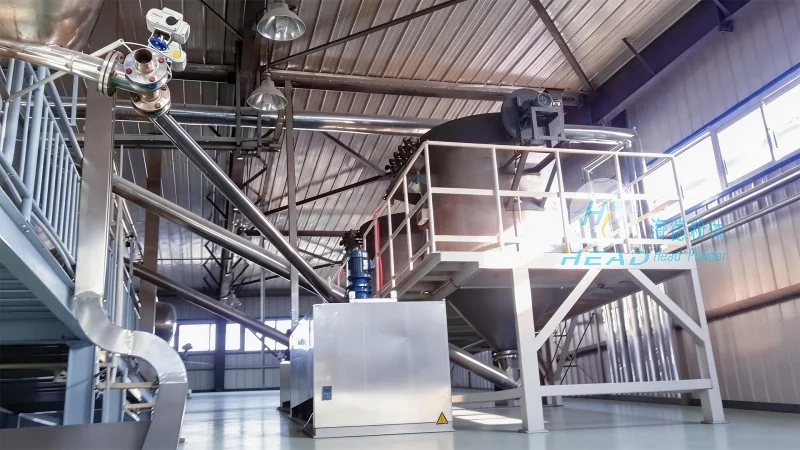
Introduction to Calcined Gypsum Pneumatic Conveying Systems
Calcined gypsum, also known as plaster of Paris, is produced by heating gypsum to high temperatures, which transforms its crystalline structure. This process alters its physical properties, making it lighter and more porous compared to natural gypsum. Due to its widespread use in plaster, drywall, and other building materials, the need for efficient transportation methods has become critical. The pneumatic conveying system offers a solution by using air pressure to move the material through a pipeline network, eliminating the need for traditional bulk handling equipment like trucks or conveyor belts.
About HeadPowder: A Leading Provider of Material Handling Solutions
HeadPowder, operating as Shandong HeadPowder Engineering Co., Ltd., is a prominent company based in Shandong, China. With a strong commitment to innovation and quality, HeadPowder specializes in designing and manufacturing advanced material handling systems, including pneumatic conveying solutions. The company's expertise lies in understanding the unique characteristics of different materials, such as calcined gypsum, and tailoring systems to meet specific operational requirements. By leveraging years of industry experience, HeadPowder ensures that its products are not only efficient but also durable and cost-effective for clients in various sectors.
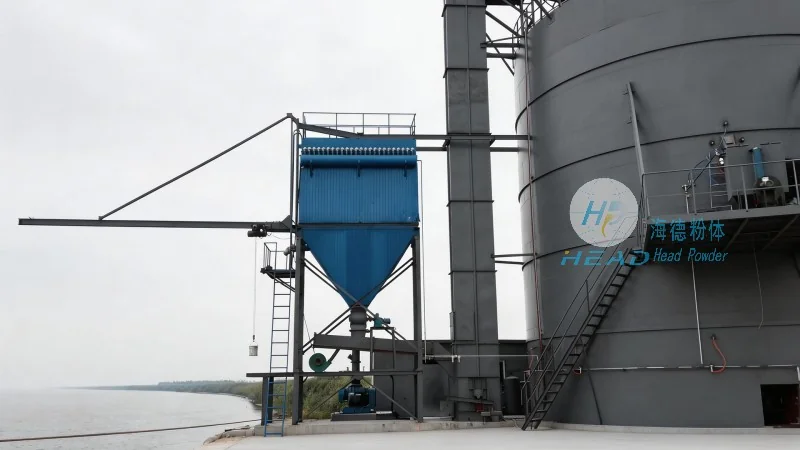
Components of a Calcined Gypsum Pneumatic Conveying System
The calcined gypsum pneumatic conveying system consists of several key components that work in tandem to ensure smooth material transport. The primary components include a material feeder, a blower or air compressor, a pipeline system, and a receiver or discharge unit. The material feeder is responsible for introducing the calcined gypsum into the system, typically using a rotary valve or a screw feeder to control the flow rate. The blower or air compressor generates the necessary air pressure to move the material through the pipeline. The pipeline system, often made of stainless steel or other corrosion-resistant materials, is designed to withstand the abrasive nature of calcined gypsum and maintain air tightness. The receiver or discharge unit collects the material at the end of the conveying line, allowing for controlled discharge into storage or processing equipment.
Design Principles for Efficient Pneumatic Conveying
The design of a calcined gypsum pneumatic conveying system is based on several critical principles to ensure optimal performance. First, the system must account for the material's physical properties, such as its density, particle size, and flowability. Calcined gypsum particles are typically fine and can be prone to bridging or clogging in traditional conveying systems. Therefore, the design incorporates features like air agitation and pulse jets to prevent blockages and maintain consistent flow. Second, the system must consider the air-to-material ratio, which is the ratio of air volume to material volume. An appropriate ratio is crucial for achieving efficient transport without excessive energy consumption. HeadPowder's engineers carefully calculate this ratio based on the material characteristics and system requirements to maximize efficiency. Third, the system's layout and pipeline design are optimized to minimize pressure drops and energy losses. This involves using smooth pipe surfaces, proper bends and elbows, and maintaining consistent pipe diameter throughout the conveying line. By adhering to these design principles, the system ensures reliable and continuous operation, reducing downtime and maintenance costs.
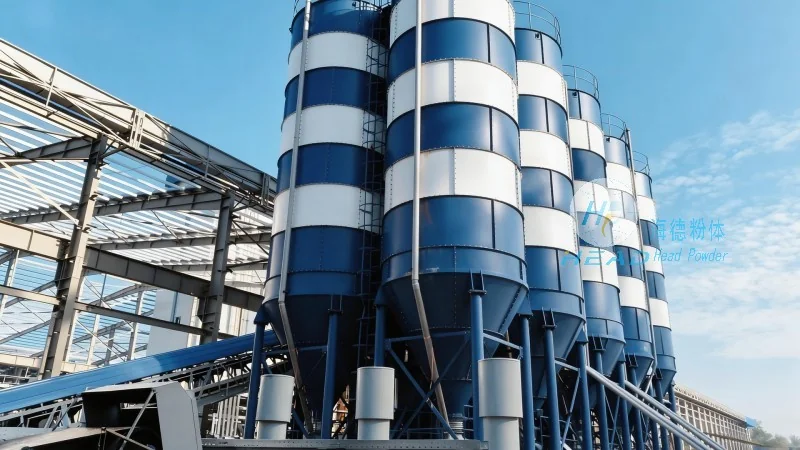
Advantages of Using a Calcined Gypsum Pneumatic Conveying System
Implementing a calcined gypsum pneumatic conveying system offers numerous advantages over traditional handling methods. One of the key benefits is the reduction in material loss and contamination. Unlike bulk handling, which can lead to dust and spillage, pneumatic conveying keeps the material contained within the system, minimizing environmental impact and product waste. Additionally, the system provides a clean and hygienic handling environment, which is particularly important for applications where material purity is critical, such as in pharmaceutical or food processing industries. Another advantage is the flexibility in system layout. Pneumatic conveying systems can be easily integrated into existing facilities or expanded to accommodate future production needs. The modular design allows for customization, enabling companies to adapt the system to their specific operational requirements. Furthermore, the system offers energy efficiency compared to other bulk handling methods, as it minimizes the need for manual labor and reduces the wear and tear on equipment. By optimizing the air-to-material ratio and pipeline design, HeadPowder's systems achieve significant energy savings, contributing to lower operational costs.
Conclusion and Application Scope
In conclusion, the calcined gypsum pneumatic conveying system is a sophisticated and efficient solution for handling this critical material. By understanding the unique properties of calcined gypsum and applying sound design principles, such systems ensure reliable and cost-effective material transport. HeadPowder, with its expertise and commitment to quality, provides tailored solutions that meet the diverse needs of clients across various industries. Whether for construction material production, industrial processing, or other applications, the calcined gypsum pneumatic conveying system offers a superior alternative to traditional handling methods, enhancing productivity and reducing operational challenges.




