For industries dealing with bulk solid materials like pearl salt granules, efficient and reliable material handling is crucial. A pneumatic conveying system offers a solution that minimizes contamination, reduces labor costs, and enhances overall operational efficiency. This article explores the equipment used for pearl salt granule pneumatic conveying and delves into the underlying design principles that make such systems effective, with a focus on solutions provided by Shandong HeadPowder Engineering Co., Ltd.
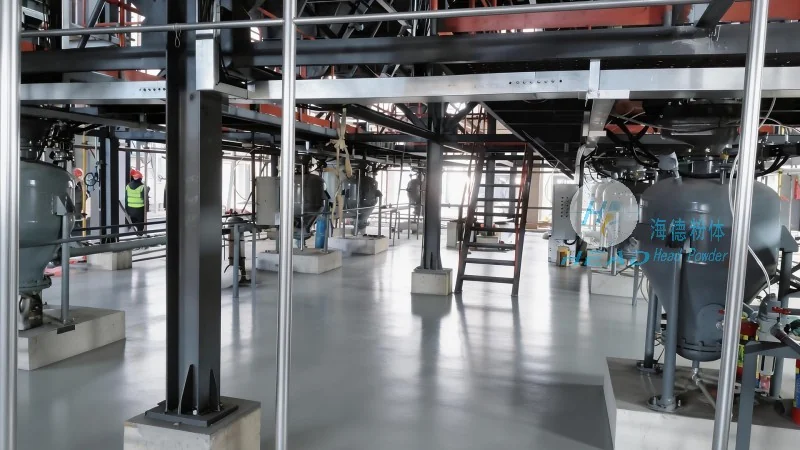
Pneumatic Conveying Systems: An Overview
Pneumatic conveying, also known as pneumatic transport, is a method of transporting bulk materials through a pipeline using air or gas as the conveying medium. Unlike mechanical systems that rely on belts, screws, or buckets, pneumatic systems use pressure differentials to move materials. This approach is particularly advantageous for delicate or hygienic materials like pearl salt, as it avoids direct contact with metal surfaces and reduces the risk of contamination.
Key Components of a Pearl Salt Granule Pneumatic Conveying System
The core components of a pneumatic conveying system for pearl salt granules typically include a hopper, a feeder, a conveying line, a separator, and a receiver. Each component plays a critical role in the overall operation:
1. **Hopper**: The hopper is the storage vessel where the pearl salt granules are held before being conveyed. It is designed to maintain a consistent material level and prevent clogging, which is essential for smooth operation. The hopper often features a sloped bottom to facilitate material flow into the feeder.
2. **Feeder**: The feeder is responsible for controlling the flow rate of the pearl salt granules from the hopper into the conveying line. Common types include rotary valves, star feeders, or vibratory feeders. The choice of feeder depends on the material's properties, such as flowability and particle size, to ensure a uniform and controlled discharge.
3. **Conveying Line**: The conveying line is the pipeline through which the air and pearl salt granules travel. It is usually made of stainless steel or other corrosion-resistant materials to withstand the abrasive nature of the granules and prevent contamination. The line may include bends, elbows, or expansion joints to accommodate changes in direction or elevation.
4. **Separator**: The separator is a critical component that separates the air from the pearl salt granules at the end of the conveying line. It typically uses a combination of gravity, centrifugal force, and air filtration to ensure that the granules are deposited into the receiver while the air is either recirculated or vented to the atmosphere.
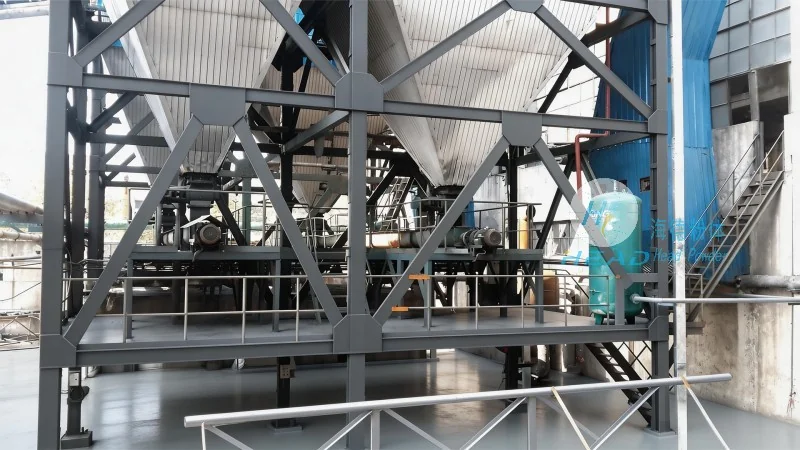
5. **Receiver**: The receiver is the final storage vessel where the conveyed pearl salt granules are collected. It is designed to handle the incoming material flow and maintain a stable pressure within the system, ensuring that the conveying process remains efficient and consistent.
Design Principles for Optimal Performance
The design of a pneumatic conveying system for pearl salt granules involves several key principles to ensure efficiency, reliability, and longevity. These principles include:
1. **Material Compatibility**: The system components must be compatible with the chemical and physical properties of pearl salt granules. For instance, stainless steel is commonly used for the hopper, feeder, and conveying line to prevent corrosion and maintain product purity. The materials should also be resistant to abrasion from the granules to extend the equipment's lifespan.
2. **Flowability and Particle Size Considerations**: The design must account for the flowability of the pearl salt granules. Materials with poor flowability may require additional equipment, such as vibratory hoppers or agitators, to prevent bridging or rat-holing. The particle size distribution also affects the conveying velocity and pressure drop, as finer particles tend to cause higher friction losses.
3. **Pressure and Velocity Optimization**: The system's design involves optimizing the pressure and velocity of the conveying air. Higher velocities can increase the conveying capacity but may lead to higher energy consumption and increased wear on components. Conversely, lower velocities may reduce energy use but could cause material deposition or blockages. Engineers typically perform calculations based on the material's bulk density, particle size, and desired conveying distance to determine the optimal velocity and pressure.
4. **System Integration and Control**: A well-designed pneumatic conveying system integrates seamlessly with other processes in the production line. It often includes automated controls to regulate the feeder speed, air pressure, and material flow. This integration ensures that the system operates in sync with other equipment, such as mixers or packaging machines, to maintain a smooth production flow.
Applications and Benefits in Pearl Salt Processing
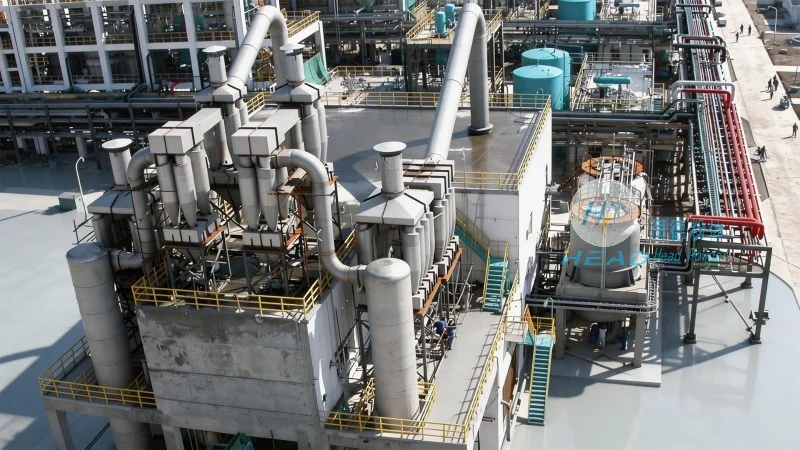
Pearl salt granule pneumatic conveying systems are widely used in various stages of the pearl salt processing industry. These include transporting raw pearl salt from storage to processing facilities, moving finished products to packaging lines, and even handling byproducts or waste materials. The benefits of using such systems in pearl salt processing include:
1. **Hygienic and Contamination-Free Transport**: Pneumatic systems eliminate the need for manual handling, reducing the risk of contamination from human contact or external sources. This is particularly important for food-grade products like pearl salt, where hygiene standards are stringent.
2. **Reduced Labor Costs**: Automated conveying systems minimize the need for manual labor in material handling, leading to lower operational costs and improved safety for workers.
3. **Improved Product Quality**: By avoiding direct contact with metal surfaces and minimizing material degradation, pneumatic conveying helps maintain the quality and purity of the pearl salt granules, ensuring consistent product quality for end-users.
4. **Space Efficiency**: Pneumatic conveying systems can be designed to fit into tight spaces, making them suitable for facilities with limited floor area. The compact design also reduces the overall footprint of the material handling system.
Conclusion
A pearl salt granule pneumatic conveying system is a sophisticated piece of equipment that combines engineering principles with material handling expertise to efficiently transport bulk materials. The design of such systems, as exemplified by companies like Shandong HeadPowder Engineering Co., Ltd., focuses on optimizing performance, ensuring product integrity, and minimizing operational costs. By understanding the key components and design principles, industries can leverage pneumatic conveying to enhance their production processes and maintain a competitive edge in the market.




