HeadPowder, a leading manufacturer based in Shandong, China, specializes in advanced material handling solutions tailored for the lithium-ion battery industry. This article explores the concept of lithium-ion battery nanomaterial material handling and delves into the core design principles that underpin such systems.
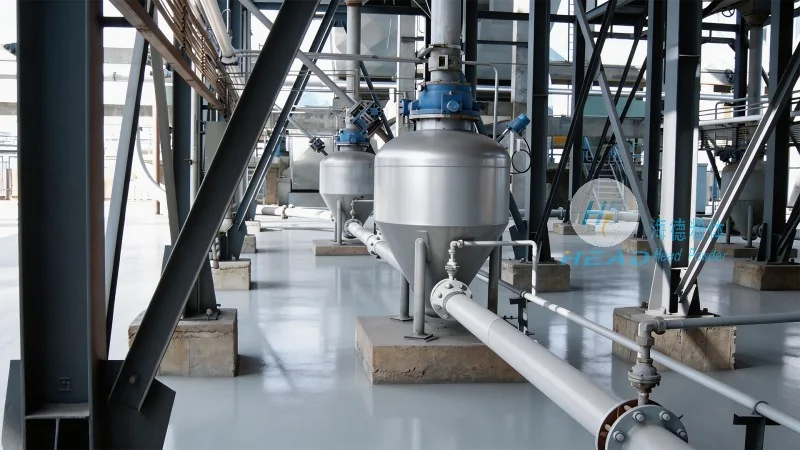
Understanding Lithium-Ion Battery Nanomaterial Material Handling
Lithium-ion battery production relies heavily on the precise handling of nanomaterials, which are critical components in the battery's cathode and anode structures. These materials, often in the form of powders or fine particles, require specialized equipment to ensure uniform distribution, minimize contamination, and maintain consistent quality throughout the manufacturing process. Material handling in this context involves the movement, storage, and processing of these nanomaterials from raw material reception to integration into battery cells.
Key Design Principles for Nanomaterial Material Handling Systems
The design of effective nanomaterial material handling systems for lithium-ion batteries is governed by several key principles aimed at optimizing performance, safety, and efficiency. First, precision and control are paramount. Since nanomaterials are sensitive to environmental factors like moisture, temperature, and air exposure, systems must incorporate closed-loop mechanisms to maintain stable conditions. This includes sealed containers, controlled humidity chambers, and automated feeding mechanisms that prevent material degradation.
Second, hygiene and contamination prevention are critical. Lithium-ion battery manufacturing demands ultra-clean environments to avoid impurities that could affect battery performance or lifespan. Material handling systems must be designed with stainless steel or other corrosion-resistant materials, and incorporate features like HEPA filtration and dust extraction to maintain a clean workspace. This ensures that the nanomaterials remain free from contaminants that could compromise battery quality.
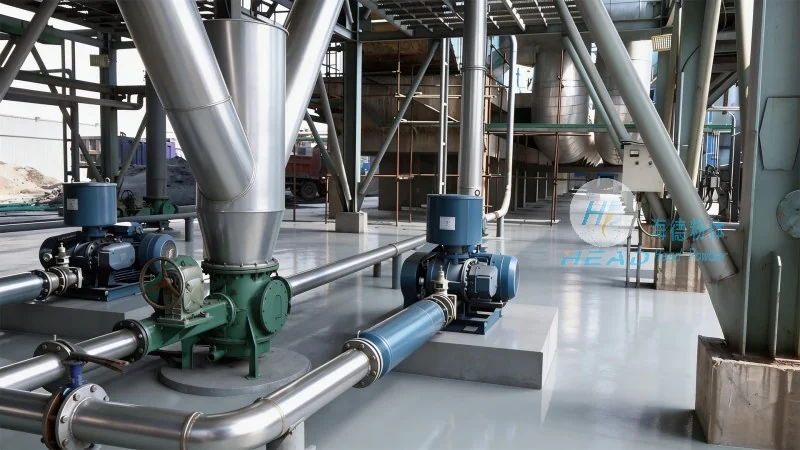
Third, efficiency and scalability are essential for industrial applications. The systems must be capable of handling large volumes of nanomaterials while maintaining high throughput rates. This involves the integration of conveyor systems, automated storage and retrieval (AS/RS) units, and real-time monitoring tools that optimize material flow. The design also considers space optimization, as lithium-ion battery plants often operate in compact facilities where every square meter is utilized efficiently.
Components and Technologies in Nanomaterial Material Handling
Modern nanomaterial material handling systems for lithium-ion batteries typically integrate several advanced technologies to meet the stringent requirements of the industry. These include:
1. Advanced Conveying Systems: Such as pneumatic conveying lines or screw conveyors that transport nanomaterials with minimal particle degradation. These systems are designed to handle fine powders without causing agglomeration or loss of material.
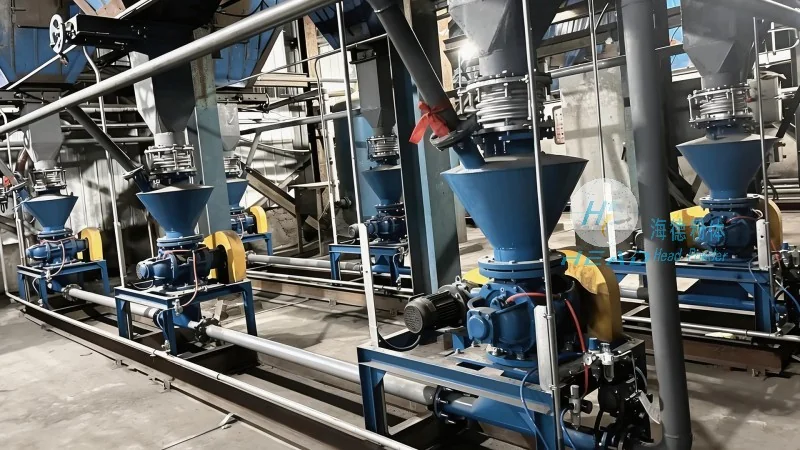
2. Automated Weighing and Dosing Equipment: Precise scales and dosing mechanisms ensure accurate measurement and dispensing of nanomaterials, which is crucial for maintaining the correct chemical composition of the battery electrodes.
3. Sealed Storage Solutions: High-capacity, airtight containers that store nanomaterials under controlled conditions, preventing moisture absorption and oxidation. These storage units often feature integrated sensors to monitor material quality and alert operators to any deviations.
4. Integrated Control Systems: A centralized control panel that manages all aspects of the material handling process, from material receipt to dispensing. This includes real-time data logging, alarm systems for abnormal conditions, and remote monitoring capabilities to enhance operational efficiency.
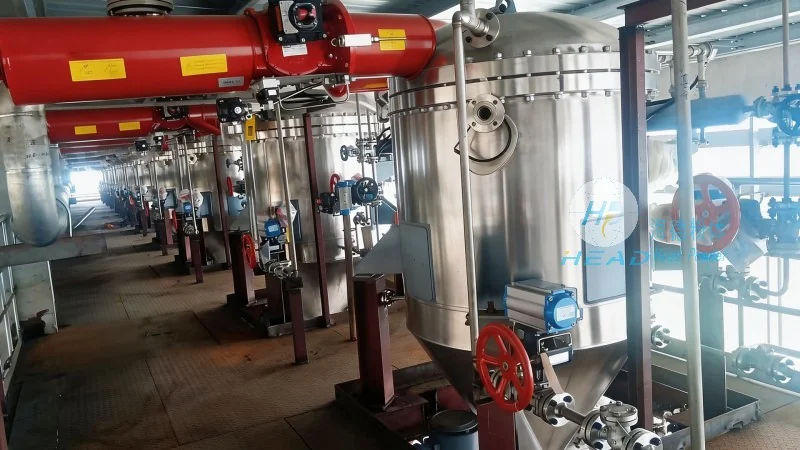
The Role of Material Handling in Lithium-Ion Battery Performance
The effectiveness of nanomaterial material handling directly impacts the performance and reliability of lithium-ion batteries. Inconsistent material distribution can lead to variations in battery capacity, cycle life, and safety. For instance, if the cathode material is not evenly mixed, some battery cells may have lower energy density or higher internal resistance. Therefore, the design of material handling systems must prioritize uniformity and precision to ensure that every battery cell is manufactured to the same high standard.
Moreover, efficient material handling reduces production downtime and waste. By minimizing material loss and preventing contamination, manufacturers can improve overall yield and reduce costs. This is particularly important in large-scale battery production, where even small inefficiencies can result in significant financial losses.
Conclusion
Lithium-ion battery nanomaterial material handling is a critical aspect of battery manufacturing, and its design principles are tailored to meet the unique challenges of handling fine, sensitive materials. Companies like Shandong HeadPowder Engineering Co., Ltd. in China are at the forefront of developing advanced material handling solutions that ensure precision, safety, and efficiency in lithium-ion battery production. By adhering to principles such as precision control, contamination prevention, and scalability, these systems play a vital role in producing high-quality lithium-ion batteries that meet the demands of modern energy storage applications.




