Understanding the mechanisms and design principles behind sawdust and husk material conveying is crucial for industries that rely on efficient handling of these lightweight, often abrasive bulk materials. This article delves into the core concepts, technical considerations, and practical applications of such systems, with a focus on the expertise of Shandong HeadPowder Engineering Co., Ltd., a leading provider in this field.
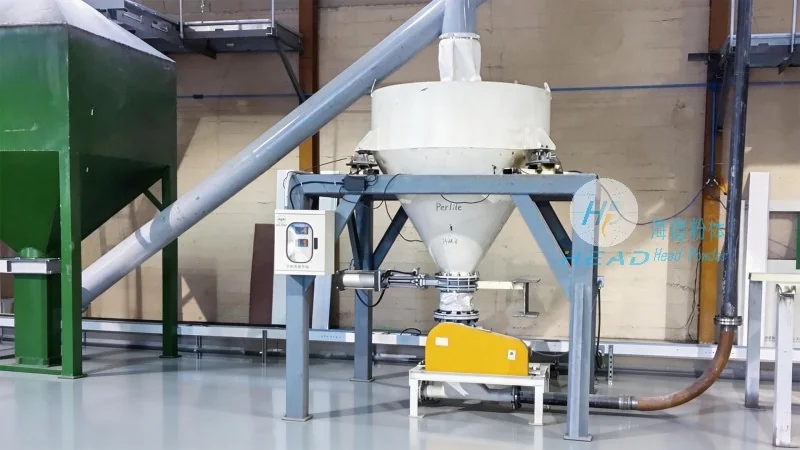
Introduction to Sawdust and Husk Material Conveying
Sawdust and husk materials, such as wood chips, rice husks, or other agricultural residues, are commonly used in various industrial processes like energy production, animal feed, or composite manufacturing. Efficient conveying of these materials is essential to maintain productivity and minimize operational costs. The primary challenge in handling these materials lies in their lightweight nature, irregular shapes, and tendency to create dust or clog traditional conveying systems. Therefore, specialized equipment and design approaches are required to ensure reliable and continuous material transport.
About Shandong HeadPowder Engineering Co., Ltd.
Shandong HeadPowder Engineering Co., Ltd., commonly known as HeadPowder, is a professional manufacturer and supplier specializing in bulk material handling solutions. With a strong presence in China, particularly in Shandong province, the company has built a reputation for delivering high-quality, customized conveying systems tailored to the unique needs of its clients. HeadPowder's expertise spans the entire lifecycle of material handling, from initial design and engineering to installation and after-sales support.
Design Principles of Sawdust and Husk Conveying Systems
The design of sawdust and husk conveying systems involves several critical principles aimed at optimizing performance and durability. First, the selection of appropriate conveying equipment is paramount. Common types include screw conveyors, pneumatic conveyors, and bucket elevators, each with distinct advantages and limitations. Screw conveyors, for instance, are ideal for horizontal or slight incline transport due to their ability to handle fibrous materials without excessive wear. Pneumatic conveyors, on the other hand, excel in vertical or long-distance transport by using air pressure to move materials through pipes.
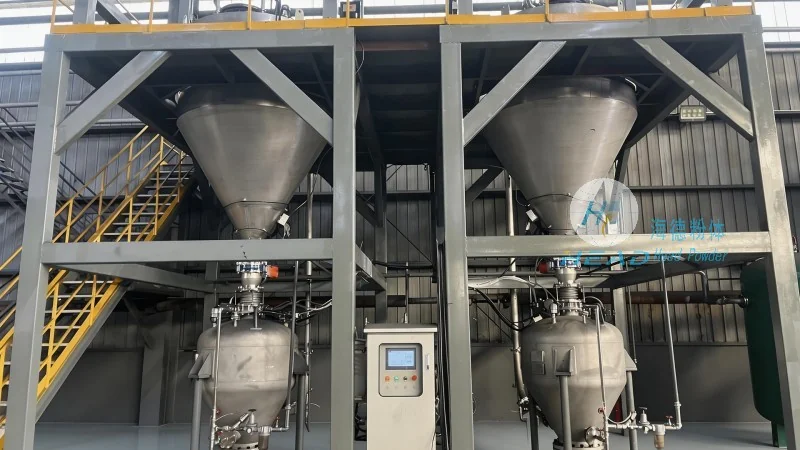
Second, the system's design must consider the material's physical properties. Sawdust and husk materials are typically lightweight, with low bulk density, which can lead to air entrainment and reduced conveying efficiency. To mitigate this, engineers often incorporate features like air locks, rotary valves, or special hopper designs to ensure consistent material flow. Additionally, the equipment must be constructed from materials resistant to abrasion and corrosion, as these materials can be harsh on metal surfaces over time.
Key Components and Their Functions
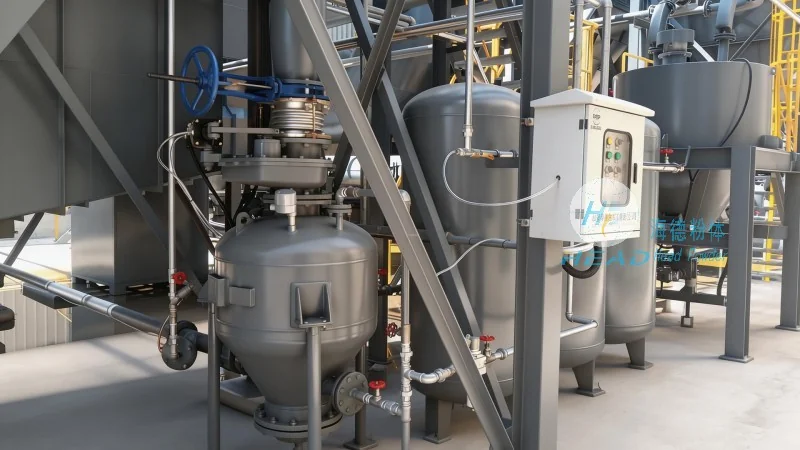
Effective sawdust and husk conveying systems rely on a combination of key components, each playing a vital role in the overall operation. The feed hopper is the first component, responsible for receiving and storing the material before it enters the conveying mechanism. It is designed to minimize material spillage and ensure a steady flow into the system. The conveyor itself, whether a screw or pneumatic type, is the core of the system, responsible for moving the material from the feed point to the discharge point.
For screw conveyors, the helical screw is the primary moving part, rotating to push material forward. The speed and pitch of the screw are carefully selected to match the material's characteristics and the required conveying capacity. Pneumatic conveyors use a blower or fan to generate air flow, which carries the material through the pipeline. The air velocity and pipe diameter are critical parameters that determine the system's efficiency and capacity.
Advantages and Applications
Sawdust and husk conveying systems offer numerous advantages, making them indispensable in various industries. One of the main benefits is their ability to handle a wide range of materials, from fine sawdust to larger husk pieces, without the need for pre-processing. This flexibility allows for seamless integration into existing production lines. Additionally, these systems are relatively low-maintenance compared to other bulk handling methods, reducing downtime and operational costs.
Applications of sawdust and husk conveying include biomass energy plants, where materials are transported to boilers for combustion; animal feed processing facilities, where husks are mixed with other ingredients; and composite material manufacturing, where sawdust is combined with resins to create panels. In each of these applications, the efficiency of the conveying system directly impacts the overall productivity and quality of the final product.
Conclusion
In conclusion, sawdust and husk material conveying is a specialized field that requires careful consideration of material properties, equipment selection, and system design. Shandong HeadPowder Engineering Co., Ltd. plays a pivotal role in providing reliable and efficient conveying solutions tailored to the needs of industries handling these materials. By adhering to the design principles outlined above and leveraging advanced engineering techniques, companies can achieve optimal performance and cost-effectiveness in their material handling operations.




