When it comes to efficient material handling in industrial settings, especially for gypsum particles, the Gypsum Particle Pneumatic Conveying System Equipment emerges as a critical solution. This equipment is engineered to transport gypsum particles through an air-based system, offering a reliable and efficient method for moving bulk materials. The system is designed to handle the unique properties of gypsum, such as its density, particle size, and flow characteristics, ensuring optimal performance in various industrial applications.
Understanding the Gypsum Particle Pneumatic Conveying System Equipment
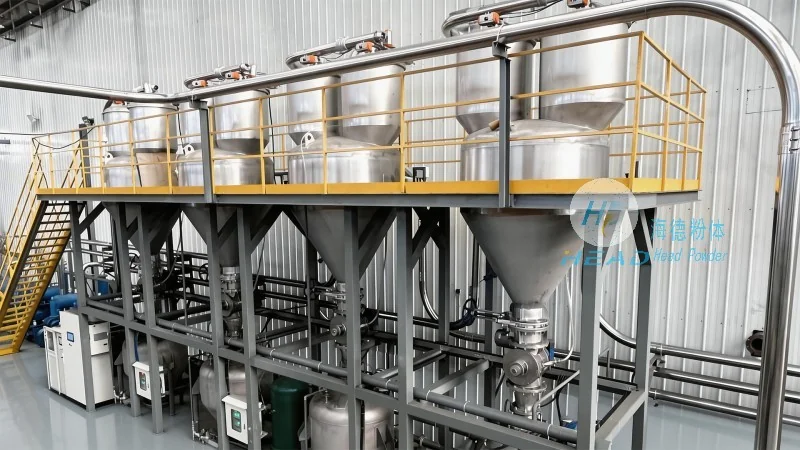
The Gypsum Particle Pneumatic Conveying System Equipment is a specialized device used to transport gypsum particles using air as the conveying medium. Unlike traditional mechanical conveyors, this system relies on the force of compressed air to move the material through a pipeline. The equipment is typically composed of several key components, including a hopper for material storage, a blower or compressor to generate the air flow, a pipeline system for material transport, and a receiver or discharge unit for the final delivery of the gypsum particles. Each component plays a crucial role in ensuring the smooth and efficient operation of the system.
Key Components and Their Functions
1. Hopper: The hopper is the initial storage unit where gypsum particles are loaded before being conveyed. It is designed to hold a sufficient quantity of material to maintain a continuous flow into the system. The hopper may include features like a feeding mechanism or a level indicator to monitor the material level and ensure proper feeding.
2. Blower or Compressor: This component generates the necessary air pressure and flow rate to move the gypsum particles through the pipeline. The choice of blower or compressor depends on the specific requirements of the system, such as the material's characteristics, the distance to be conveyed, and the desired flow rate. A well-designed blower ensures consistent air pressure, which is vital for maintaining the material's movement and preventing blockages.
3. Pipeline System: The pipeline is the main conduit through which the gypsum particles are transported. It is typically made of materials like stainless steel or plastic, chosen for their resistance to corrosion and wear from the gypsum particles. The pipeline may include bends, elbows, or other fittings to direct the material to the desired location. Proper design of the pipeline, including the size and angle of bends, is essential to minimize pressure losses and maintain the efficiency of the conveying process.
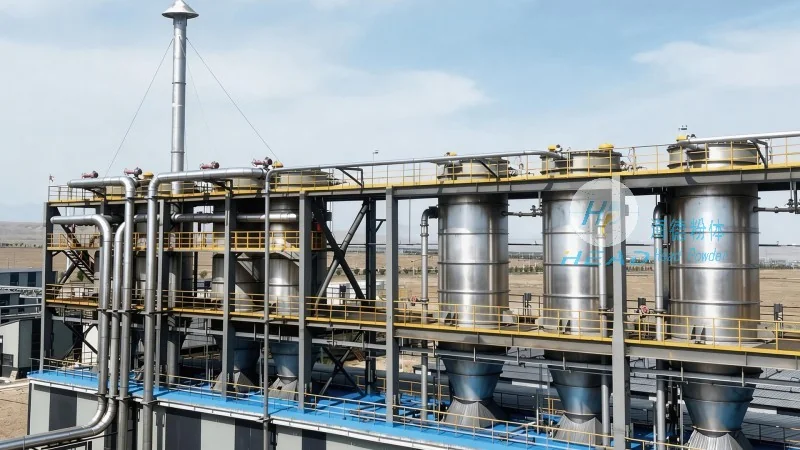
4. Receiver or Discharge Unit: The receiver is the final component where the gypsum particles are discharged from the system. It may include a hopper or a storage tank to collect the material. The receiver is designed to handle the material's characteristics, such as its bulk density and flowability, to ensure a smooth discharge process. Some systems may also include a dust collection system to control airborne particles and maintain a clean working environment.
The Design Principles Behind the Gypsum Particle Pneumatic Conveying System Equipment
The design of the Gypsum Particle Pneumatic Conveying System Equipment is based on several fundamental principles to ensure its effectiveness and efficiency. The primary principle is the use of air as the conveying medium, which allows for the transport of material without direct contact between the particles and the equipment. This reduces wear and tear on the system components and minimizes the risk of material contamination.
Another key principle is the balance between air velocity and particle velocity. The system is designed to maintain a specific air velocity that is sufficient to lift and transport the gypsum particles while minimizing energy consumption. The design considers factors such as the particle size, density, and shape of the gypsum, as these characteristics affect the required air velocity for effective conveying.
The system also incorporates principles of fluid dynamics and particle mechanics to optimize the conveying process. By understanding the behavior of gypsum particles in an air stream, engineers can design the system to minimize pressure losses and maximize the conveying efficiency. This includes considerations such as the pipeline diameter, the length of the conveying line, and the number of bends or fittings in the system.
Additionally, the design takes into account the need for flexibility and adaptability. The Gypsum Particle Pneumatic Conveying System Equipment is often designed to be modular, allowing for easy expansion or modification to accommodate changes in production requirements or material handling needs. This flexibility ensures that the system can be tailored to the specific needs of the industrial application, providing a customized solution for each client.
Applications and Benefits of the Gypsum Particle Pneumatic Conveying System Equipment
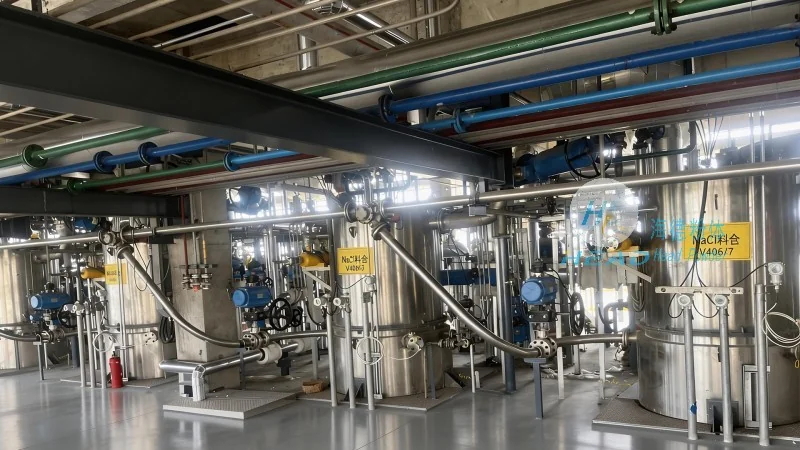
The Gypsum Particle Pneumatic Conveying System Equipment finds wide applications in various industries, particularly in the construction and manufacturing sectors. It is commonly used for transporting gypsum from storage facilities to production lines, or from production lines to packaging and storage areas. The system is also used in the processing of gypsum products, such as plasterboard and gypsum blocks, where the efficient handling of raw materials is crucial for maintaining production efficiency.
One of the primary benefits of this equipment is its ability to handle bulk materials efficiently and safely. Unlike traditional conveyors, the pneumatic system reduces the risk of material spillage and dust contamination, which is particularly important for gypsum particles that can be fine and easily airborne. The system also minimizes the need for manual handling, reducing labor costs and improving workplace safety.
Another benefit is the flexibility and adaptability of the system. The modular design allows for easy integration into existing production lines or for expansion as production needs grow. The system can be customized to handle different types of gypsum particles, such as natural gypsum or synthetic gypsum, and can be adjusted to accommodate changes in material characteristics or production volumes.
The Gypsum Particle Pneumatic Conveying System Equipment also offers cost-effectiveness compared to other material handling methods. By reducing the need for multiple conveyors or manual labor, the system can lower operational costs and increase overall productivity. Additionally, the system's ability to handle large volumes of material in a single operation reduces the time and effort required for material handling, leading to improved production efficiency.




