Cotton fiber pneumatic conveying systems are specialized equipment designed to transport cotton fibers and related materials through a pipeline using air or gas as the conveying medium. These systems are widely used in the textile industry for efficient material handling, from raw cotton processing to finished product distribution. Understanding the core components and design principles of such systems is crucial for optimizing performance and ensuring reliable operation.
Key Components and Working Principle
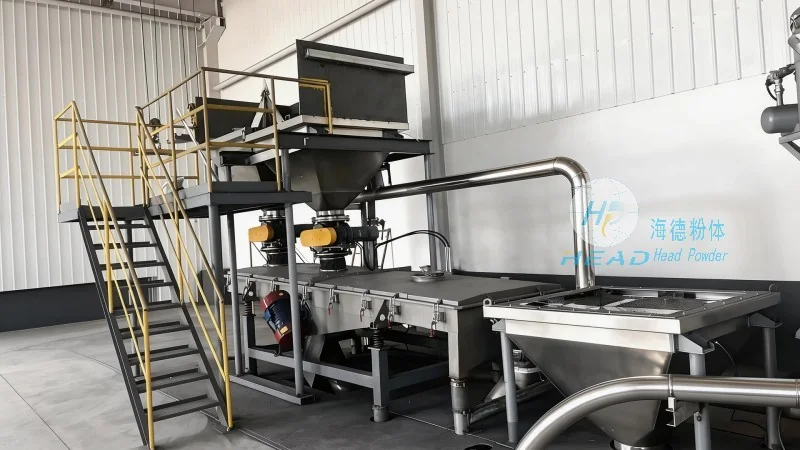
The cotton fiber pneumatic conveying system typically consists of several key components, each playing a vital role in the material transport process. The primary components include a hopper or feeder for material storage and feeding, a conveying pipeline to transport the fibers, a fan or blower to generate the necessary air flow, and a receiver or discharge unit for material collection. The working principle involves feeding cotton fibers into the hopper, where they are then drawn into the pipeline by the air flow generated by the fan. The air and fibers travel through the pipeline, with the fibers being carried by the air stream until they reach the receiver, where the air is separated from the material and the fibers are discharged.
Design Principles for Efficient Cotton Fiber Handling
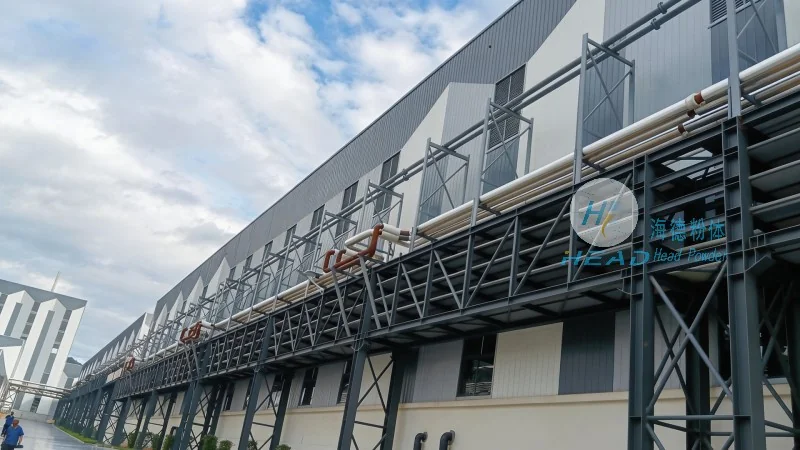
Designing an effective cotton fiber pneumatic conveying system requires careful consideration of several factors to ensure optimal performance and minimize operational issues. One of the key design principles is the selection of appropriate air velocity and pressure to maintain the material in a suspended state without causing excessive wear on the system components. The system must be designed to handle the specific characteristics of cotton fibers, such as their low density and tendency to clump or agglomerate, which can affect flow and transport efficiency. Additionally, the system should incorporate features like air filtration and moisture control to maintain material quality and prevent clogging or corrosion in the pipeline. Proper material handling also involves ensuring that the conveying system is equipped with appropriate sealing and safety features to prevent dust emissions and protect personnel from exposure to airborne fibers.
Application Scenarios and Benefits
Cotton fiber pneumatic conveying systems are applied in various stages of cotton processing and textile manufacturing. In raw cotton processing, these systems are used to transport cotton from storage bins to processing machines, such as carding or spinning equipment. In the textile manufacturing industry, they are employed to move cotton fibers between different production stages, including blending, cleaning, and dyeing processes. The benefits of using pneumatic conveying systems for cotton fiber handling include improved efficiency in material transport, reduced labor costs compared to manual handling, and enhanced safety by minimizing direct human contact with raw cotton fibers. Furthermore, these systems can help maintain the quality of cotton fibers by preventing contamination and damage during transport, which is critical for producing high-quality textile products.
About HeadPowder: Your Trusted Partner in Pneumatic Conveying Solutions
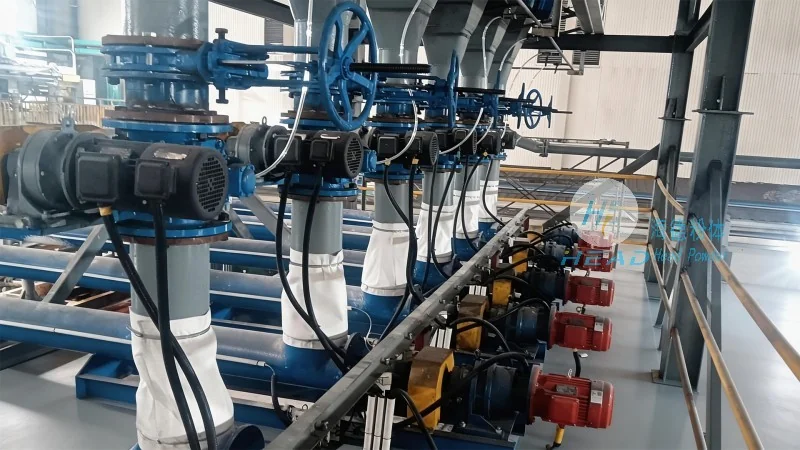
Shandong HeadPowder Engineering Co., Ltd. is a leading manufacturer and supplier of pneumatic conveying systems, specializing in equipment tailored for the textile industry. With a focus on innovation and customer satisfaction, HeadPowder provides customized solutions for cotton fiber handling, ensuring that their systems meet the specific requirements of each client. The company's headquarters is located in Shandong, China, where they leverage advanced technology and expertise to design and produce high-quality pneumatic conveying equipment. HeadPowder's commitment to quality and reliability has made them a trusted partner for businesses seeking efficient and reliable cotton fiber transport solutions. By choosing HeadPowder, clients can benefit from expert design, robust construction, and comprehensive support to ensure their pneumatic conveying systems operate at peak performance.




