Rice husk pneumatic conveying systems are specialized equipment used in the agricultural and industrial sectors to transport rice husks efficiently. These systems are designed to handle the unique characteristics of rice husks, such as their lightweight, irregular shape, and potential for dust generation. Understanding the components and design principles of such systems is crucial for optimizing material handling processes in rice processing facilities.
Key Components of a Rice Husk Pneumatic Conveying System
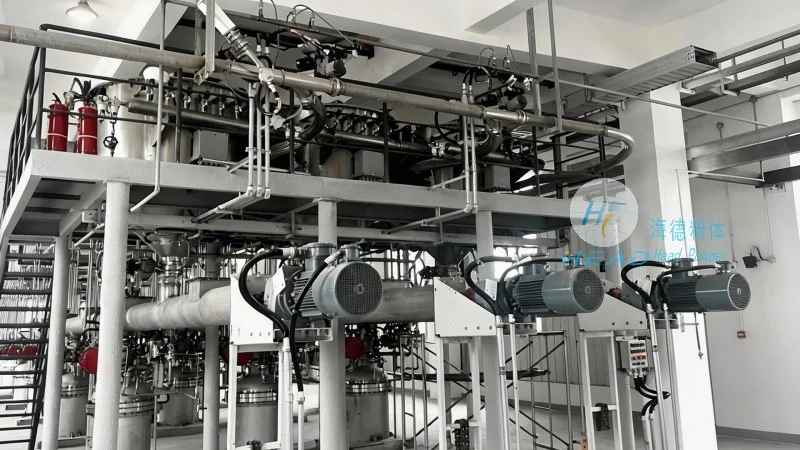
The core components of a rice husk pneumatic conveying system typically include a hopper for material storage, a feeder to control the flow of husks, a conveying line (often with flexible or rigid tubing), a blower or fan to generate the air flow, and a collection or discharge unit. Each component plays a vital role in ensuring the system operates smoothly and efficiently. The hopper is designed to hold a sufficient quantity of rice husks, preventing blockages and maintaining a consistent feed rate. The feeder, often a rotary valve or screw feeder, regulates the amount of material entering the conveying line, which is critical for maintaining system pressure and preventing overloading.
The conveying line is a central part of the system, and its design depends on the distance and layout of the material transport. Flexible hoses are commonly used for short-distance or curved routes, while rigid pipes are preferred for longer, straight runs to minimize pressure loss. The blower or fan provides the necessary air velocity to move the rice husks through the line. The air velocity must be sufficient to overcome the resistance of the material and the line, but not so high as to cause excessive wear on components or generate too much dust. The collection or discharge unit is where the rice husks are deposited at the end of the conveying line, and it may include a filter or cyclone to separate any fine particles from the air stream, improving air quality and preventing contamination.
Design Principles for Efficient Rice Husk Conveying
Designing an effective rice husk pneumatic conveying system involves several key principles aimed at maximizing efficiency, minimizing energy consumption, and ensuring durability. One of the primary principles is maintaining a consistent air flow and pressure throughout the system. This is achieved by carefully selecting the blower capacity, ensuring the conveying line is properly sized, and using components that minimize pressure drop. Proper sizing of the conveying line is essential; if the line is too small, the air velocity will be too high, leading to increased energy consumption and wear on the system. Conversely, if the line is too large, the air velocity may be insufficient to move the material, causing blockages or system inefficiencies.
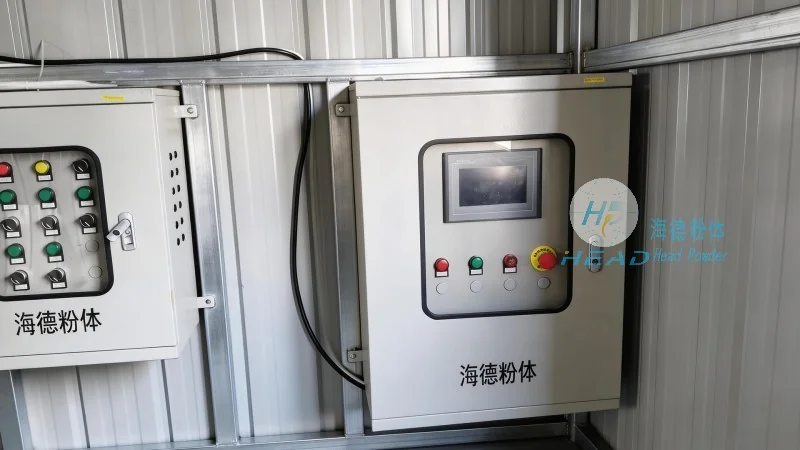
Another critical design principle is the prevention of material buildup and blockages. Rice husks can be prone to bridging or clogging in the hopper or feeder, which can disrupt the entire system. To mitigate this, the hopper is often equipped with a agitator or vibratory mechanism to break up clumps and ensure a steady flow. The feeder is also designed with features that prevent material from sticking to its surface, such as anti-static coatings or self-cleaning mechanisms. Additionally, the system may include a pressure relief valve to prevent overpressure in case of blockages, protecting the blower and other components from damage.
Energy efficiency is a significant consideration in the design of pneumatic conveying systems. High energy consumption can increase operational costs and reduce the overall profitability of the system. To improve efficiency, designers often use high-efficiency blowers and fans, which operate at lower speeds but provide the necessary air volume. The use of rigid pipes instead of flexible hoses can also reduce pressure loss, as rigid pipes have lower friction coefficients. Furthermore, the system may incorporate a variable frequency drive (VFD) to adjust the blower speed based on the material flow rate, allowing for energy savings during periods of low demand.
Applications and Benefits of Rice Husk Pneumatic Conveying Systems
Rice husk pneumatic conveying systems are widely used in various applications within the rice processing industry. These systems are commonly employed in rice mills to transport rice husks from the husking stage to storage or further processing facilities. The systems are also used in the production of rice husk-based products, such as activated carbon or biofuels, where the material needs to be moved from processing units to storage or packaging areas. In addition, these systems are utilized in agricultural settings to transport rice husks from fields to processing plants, improving the efficiency of the entire supply chain.
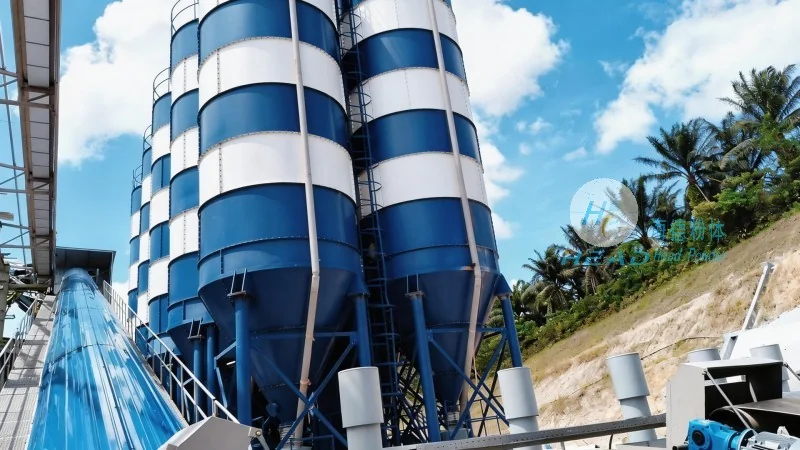
The benefits of using a rice husk pneumatic conveying system are numerous. First, these systems offer a highly efficient method of material transport, as they can move large quantities of rice husks over long distances with minimal labor. This reduces the need for manual handling, which is often labor-intensive and can lead to workplace injuries. Second, pneumatic conveying systems are relatively compact compared to traditional methods like belt conveyors or bucket elevators, making them suitable for facilities with limited space. Third, the systems are designed to minimize dust generation, which is a significant health and safety concern in rice processing environments. The inclusion of filters or cyclones in the system helps to capture fine particles, improving air quality and reducing the risk of respiratory issues for workers.
Furthermore, rice husk pneumatic conveying systems are known for their durability and low maintenance requirements. The components are typically made of corrosion-resistant materials, such as stainless steel or high-grade plastics, which can withstand the abrasive nature of rice husks and the presence of moisture. The system is also designed to be easy to clean and maintain, with accessible components that can be replaced or serviced quickly. This reduces downtime and maintenance costs, making the system a cost-effective solution for rice processing facilities.
Conclusion
In conclusion, rice husk pneumatic conveying systems are essential equipment for efficient material handling in the rice processing industry. These systems are designed with specific components and principles to handle the unique characteristics of rice husks, ensuring smooth and efficient transport. The benefits of using such systems include improved efficiency, reduced labor costs, enhanced safety, and lower maintenance requirements. As the demand for rice and rice-based products continues to grow, the importance of reliable and efficient material handling systems like pneumatic conveyors will only increase. Companies like Shandong HeadPowder Engineering Co., Ltd., with their expertise in engineering and manufacturing, play a crucial role in providing high-quality pneumatic conveying systems that meet the needs of the industry.




