When it comes to the handling and transportation of lithium fluoride, understanding the material's properties and the design principles behind its handling systems is crucial. Lithium fluoride (LiF) is a chemical compound widely used in various industries, including electronics, ceramics, and nuclear applications. Its unique physical and chemical characteristics require specialized equipment and systems to ensure safe and efficient material handling. This article explores the concept of lithium fluoride material handling and delves into the core design principles that govern such systems.
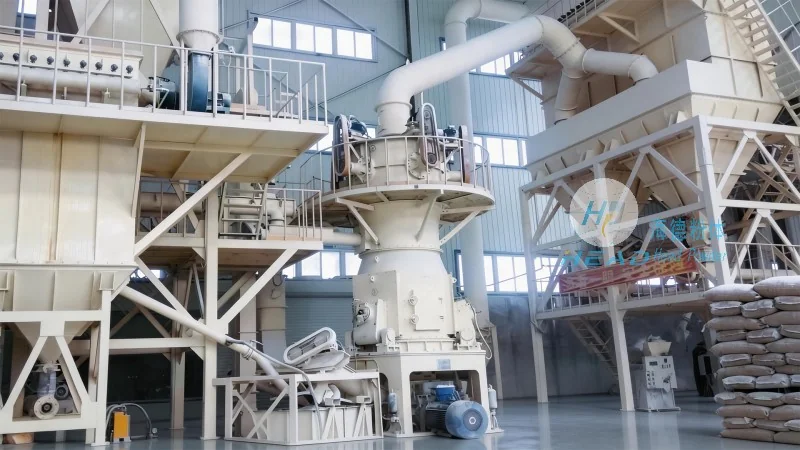
About HeadPowder: A Leading Provider of Material Handling Solutions
HeadPowder, an esteemed company based in Shandong, China, is dedicated to providing high-quality material handling solutions. With a strong commitment to innovation and customer satisfaction, HeadPowder specializes in designing and manufacturing systems tailored to the unique needs of industries dealing with lithium fluoride and other specialized materials. The company's expertise lies in understanding the complexities of material properties and translating them into effective handling solutions. HeadPowder's team of engineers and technicians work closely with clients to develop customized systems that ensure safety, efficiency, and compliance with industry standards. As a prominent player in the material handling sector, HeadPowder has established itself as a reliable partner for businesses seeking advanced solutions for their material handling challenges.
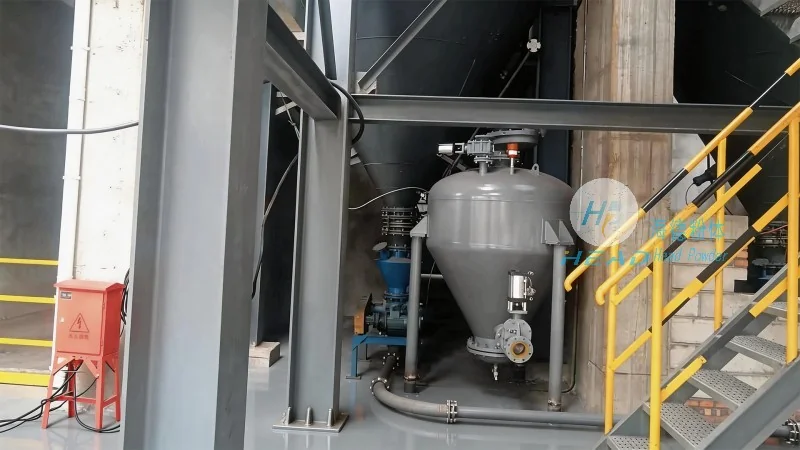
The Design Principles of Lithium Fluoride Material Handling Systems
The design of lithium fluoride material handling systems is guided by several key principles that ensure the safe and efficient transportation of the material. These principles are tailored to address the specific characteristics of lithium fluoride, such as its reactivity, handling requirements, and the need for precise control during transportation. The first principle is the selection of appropriate equipment. For lithium fluoride, which can be abrasive and reactive, materials like stainless steel or specialized alloys are often used for components that come into direct contact with the material. This helps prevent corrosion and contamination, which are critical concerns in material handling. The second principle is the design of a closed system. Lithium fluoride can be hazardous if it comes into contact with moisture or other substances, so a closed system is essential to maintain purity and prevent environmental contamination. This includes sealed hoppers, conveyors, and storage containers that minimize exposure to external elements. The third principle is the integration of safety features. Material handling systems for lithium fluoride must incorporate safety measures such as emergency shut-off valves, pressure relief systems, and monitoring devices to detect any deviations from normal operation. These features help prevent accidents and ensure the well-being of personnel. The fourth principle is the optimization of flow and control. Precise control over the flow rate and direction of lithium fluoride is vital to avoid spills or blockages. This is achieved through the use of specialized valves, sensors, and control systems that allow for real-time monitoring and adjustment. By adhering to these design principles, material handling systems for lithium fluoride can operate safely and efficiently, meeting the demands of various industrial applications.
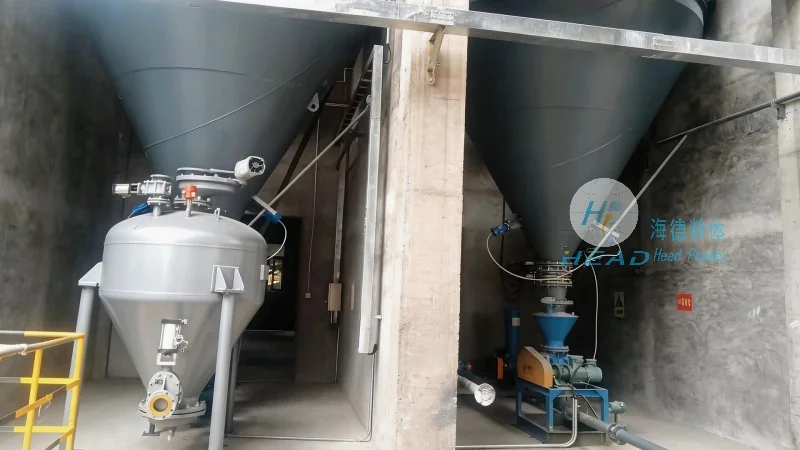
Key Considerations in Lithium Fluoride Material Handling
When designing or implementing a lithium fluoride material handling system, several key considerations must be taken into account. These considerations ensure that the system is not only effective but also compliant with safety regulations and industry standards. One of the primary considerations is the handling of dust and particulates. Lithium fluoride can generate fine dust during handling, which poses respiratory and environmental hazards. Therefore, dust suppression systems, such as dust collectors and enclosures, are essential to maintain air quality and protect personnel. Another consideration is the temperature control. Lithium fluoride can be sensitive to temperature changes, and improper temperature management can affect its properties or cause safety issues. The system must be designed to maintain the material at the appropriate temperature range, often using insulation or temperature-controlled environments. Additionally, the system must be designed for easy maintenance and cleaning. Lithium fluoride can adhere to surfaces, making it difficult to clean. Therefore, components are often designed with smooth surfaces and easy-to-access areas to facilitate cleaning and prevent contamination. By addressing these considerations, material handling systems for lithium fluoride can operate reliably and maintain the integrity of the material throughout the handling process.
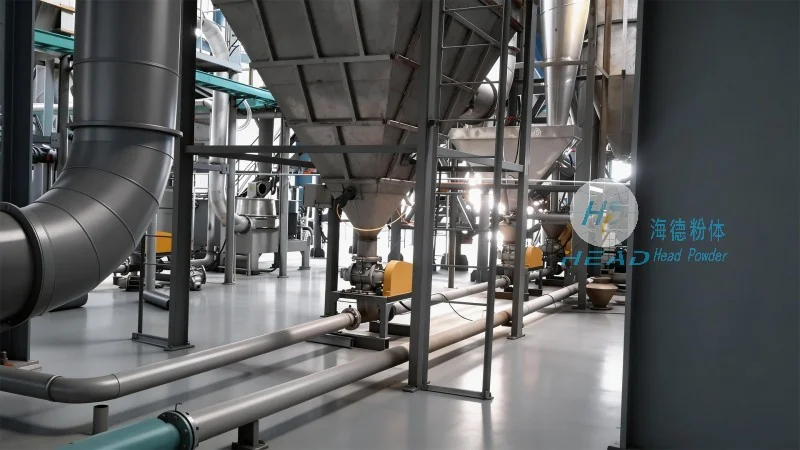
Conclusion: Ensuring Safe and Efficient Lithium Fluoride Handling
In conclusion, lithium fluoride material handling is a specialized field that requires a deep understanding of the material's properties and the application of robust design principles. The systems designed by companies like HeadPowder in Shandong, China, exemplify the best practices in material handling, combining safety, efficiency, and compliance. By adhering to principles such as proper equipment selection, closed system design, safety integration, and flow optimization, businesses can ensure the safe and efficient transportation of lithium fluoride. The expertise and dedication of companies like HeadPowder play a crucial role in meeting the demands of industries that rely on lithium fluoride, providing tailored solutions that enhance productivity and safety. As the demand for lithium fluoride continues to grow, the importance of reliable material handling systems cannot be overstated, and companies like HeadPowder remain at the forefront of providing innovative solutions to meet these challenges.




