Large-scale material handling systems are sophisticated industrial solutions designed to efficiently move, store, and manage bulk materials across various production and logistics environments. These systems are integral to modern manufacturing and supply chain operations, enabling businesses to streamline processes, reduce labor costs, and enhance overall operational efficiency. The design of such systems involves a comprehensive approach that considers multiple factors, including the type of materials being handled, the volume of throughput, operational space constraints, and the specific requirements of the end-user application.
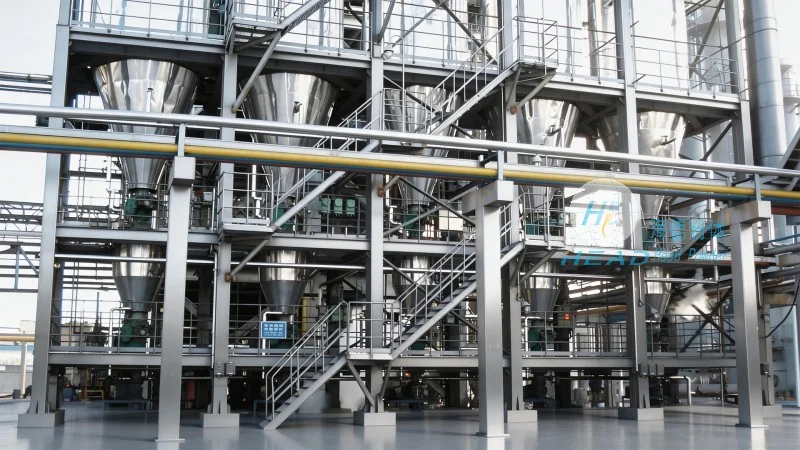
Key Design Principles for Efficient Material Handling
The design of large-scale material handling systems is guided by several fundamental principles aimed at optimizing performance and reliability. One of the primary considerations is the selection of appropriate equipment, such as conveyors, hoists, and automated guided vehicles (AGVs), tailored to the characteristics of the materials. For instance, bulk materials like grains, powders, or bulk solids often require specialized equipment like belt conveyors or screw conveyors to ensure smooth and consistent movement. The system's layout is another critical aspect, as it must accommodate the flow of materials from input to output while minimizing bottlenecks and ensuring seamless integration with existing production lines.
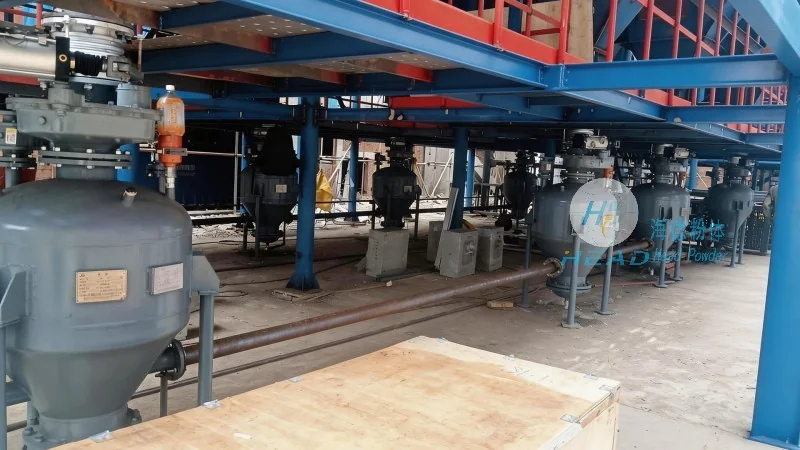
System Components and Their Functional Roles
Large-scale material handling systems typically consist of several interconnected components that work in harmony to achieve the desired operational goals. The primary components include input and output mechanisms, storage and buffering systems, control and monitoring interfaces, and power transmission units. Input mechanisms, such as hoppers or loading docks, are responsible for receiving materials from external sources or internal production stages. Output mechanisms, like discharge chutes or loading stations, ensure materials are delivered to their final destination. Storage and buffering systems, such as silos or bulk storage tanks, help regulate material flow, preventing overloading or underloading of downstream processes. Control and monitoring interfaces, often integrated with programmable logic controllers (PLCs) or human-machine interfaces (HMIs), allow operators to manage and adjust system parameters in real-time, ensuring optimal performance. Power transmission units, including motors and drives, provide the necessary energy to move materials through the system, with variable frequency drives (VFDs) commonly used to adjust speed and torque based on operational demands.
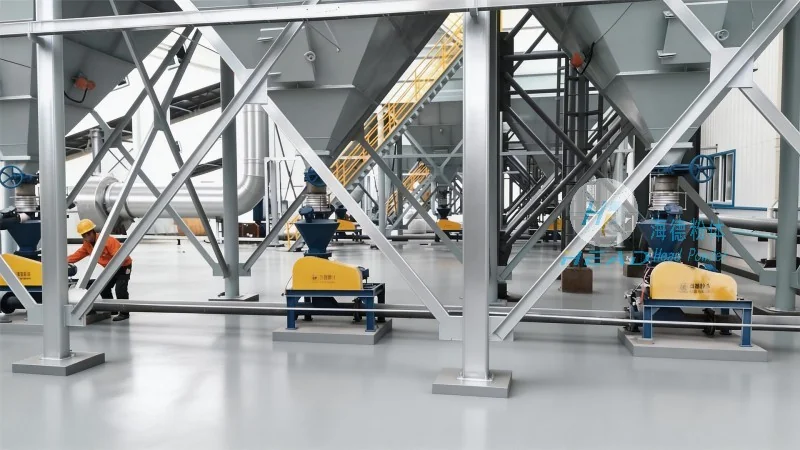
Material Handling System Design Considerations
Designing an effective large-scale material handling system requires a thorough analysis of operational requirements and constraints. The first step is to conduct a detailed material analysis, which involves assessing the physical properties of the materials, such as density, moisture content, and flow characteristics. This information is crucial for selecting the appropriate equipment and ensuring the system can handle the specific material without causing issues like clogging or degradation. Next, the system's capacity and throughput requirements must be determined. This involves calculating the expected volume of materials to be handled per unit time, which directly impacts the sizing of conveyors, storage units, and control systems. Space constraints are another critical factor, as large-scale systems often require significant floor space. The design must balance the need for efficient material flow with the available footprint, potentially incorporating vertical space or multi-level configurations to maximize capacity without compromising accessibility. Additionally, safety considerations are paramount in industrial settings. The system must incorporate safety features like emergency stop buttons, light curtains, and protective enclosures to prevent accidents and ensure compliance with occupational health and safety regulations.
Integration with Existing Infrastructure and Automation
Modern large-scale material handling systems are increasingly integrated with existing production and logistics infrastructure, often incorporating automation and digital technologies to enhance efficiency and flexibility. Integration with existing systems, such as warehouse management systems (WMS) or enterprise resource planning (ERP) software, allows for seamless data exchange and real-time tracking of materials. This integration enables better inventory management, reduces stockouts, and improves overall supply chain visibility. Automation plays a key role in optimizing system performance. Automated guided vehicles (AGVs) and robotic handling equipment can be used to transport materials between different areas of the facility, reducing the need for manual labor and improving safety. Additionally, advanced control systems, including artificial intelligence (AI) and machine learning (ML) algorithms, can be employed to optimize material flow, predict maintenance needs, and adapt to changing operational conditions. These technologies help minimize downtime, reduce energy consumption, and enhance the overall reliability of the system.
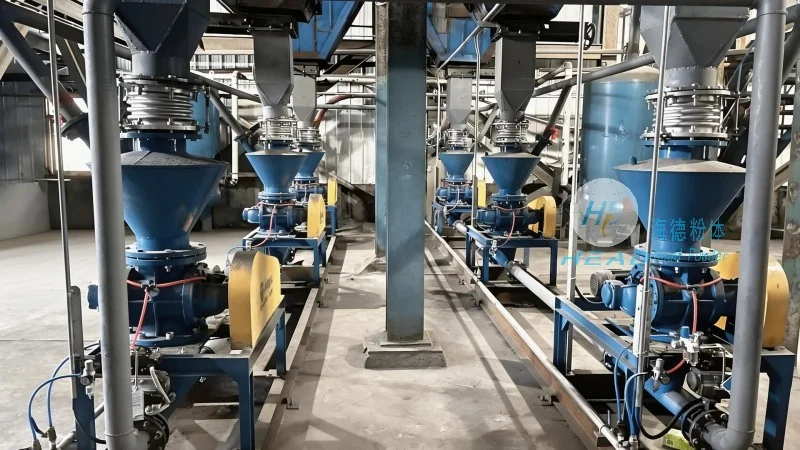
Case Study: A Large-Scale Material Handling System by Shandong HeadPowder Engineering Co., Ltd.
Shandong HeadPowder Engineering Co., Ltd., a leading provider of industrial material handling solutions, has successfully implemented large-scale material handling systems for various clients across China. One notable project involved the design and installation of a bulk material handling system for a grain processing facility. The system included a combination of belt conveyors, screw conveyors, and storage silos, tailored to handle the facility's high volume of grain inputs. The design process involved a detailed analysis of the grain's physical properties, ensuring the equipment could handle the material without clogging or degradation. The system was integrated with the client's existing warehouse management system, allowing for real-time tracking of inventory levels and optimizing material flow. The result was a significant improvement in operational efficiency, with reduced labor costs and increased throughput. This project exemplifies the company's expertise in designing and implementing customized material handling solutions that meet the specific needs of their clients.




