Efficient material handling is a cornerstone of modern industrial operations, and polyacrylamide has become a vital tool in achieving this efficiency. Understanding the role of polyacrylamide in material handling processes and the design principles behind its application is essential for optimizing performance and ensuring reliability. This article explores the fundamentals of polyacrylamide material handling, detailing its applications, design considerations, and the expertise offered by Shandong HeadPowder Engineering Co., Ltd. from China.
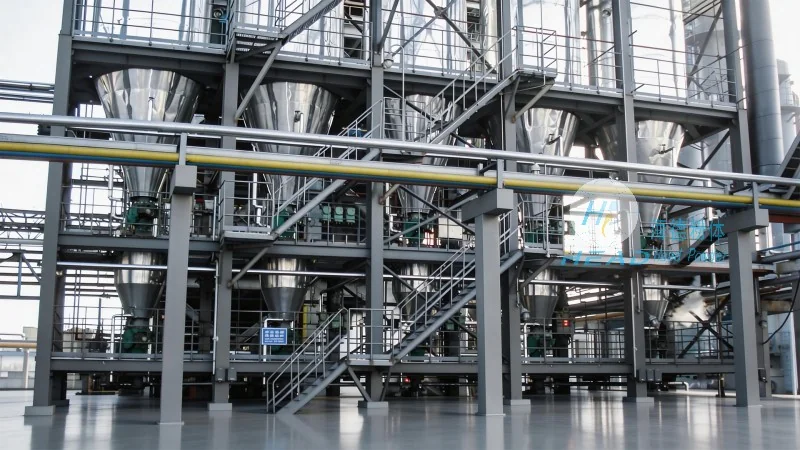
Introduction to Polyacrylamide Material Handling
Polyacrylamide, commonly known as PAM, is a synthetic polymer widely used in industrial settings due to its unique rheological properties. In material handling, PAM is employed to enhance the flow characteristics of bulk materials, reduce friction, and prevent clogging in pipelines and conveyor systems. The primary objective of using polyacrylamide in these applications is to improve the transportability of materials, particularly in sectors such as mining, construction, and wastewater treatment. By acting as a flocculant or rheology modifier, polyacrylamide helps to aggregate fine particles into larger flocs, making them easier to handle and process.
Understanding Polyacrylamide and Its Role in Material Handling
Polyacrylamide is a linear polymer composed of acrylamide monomers, which can be modified to include anionic, cationic, or nonionic charges. The specific type of polyacrylamide used depends on the characteristics of the material being handled and the desired outcome. For example, anionic polyacrylamide is commonly used in the treatment of sludges and suspensions, while cationic polyacrylamide is effective in enhancing the dewatering of fine particles. In material handling, the polymer's ability to modify the viscosity and flow behavior of materials is crucial. By increasing the viscosity of the material, polyacrylamide reduces the risk of blockages and improves the efficiency of transport systems.
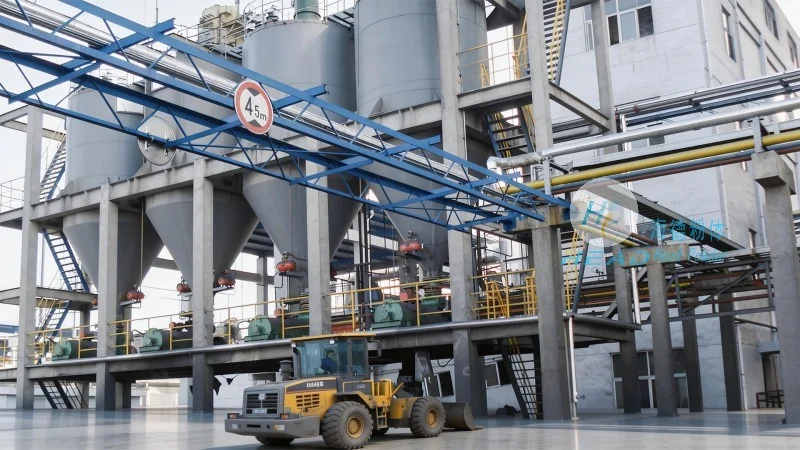
Design Principles for Polyacrylamide Material Handling Systems
The design of polyacrylamide material handling systems involves several critical principles to ensure optimal performance. First, the concentration of the polyacrylamide solution must be precisely controlled. Typically, the solution is prepared at a low concentration (e.g., 0.1-0.5%) and then diluted on-site as required. This ensures that the polymer is used efficiently without causing excessive viscosity or operational issues. Second, the mixing process is paramount; inadequate mixing can lead to uneven distribution of the polymer, resulting in inconsistent material handling performance. High-shear mixers or static mixers are commonly used to achieve thorough dispersion of the polyacrylamide. Third, the system must be tailored to the specific properties of the material being transported, such as particle size, density, and moisture content. This may involve adjusting the flow rate, pressure, and temperature of the system to maintain stable operation and prevent equipment damage.
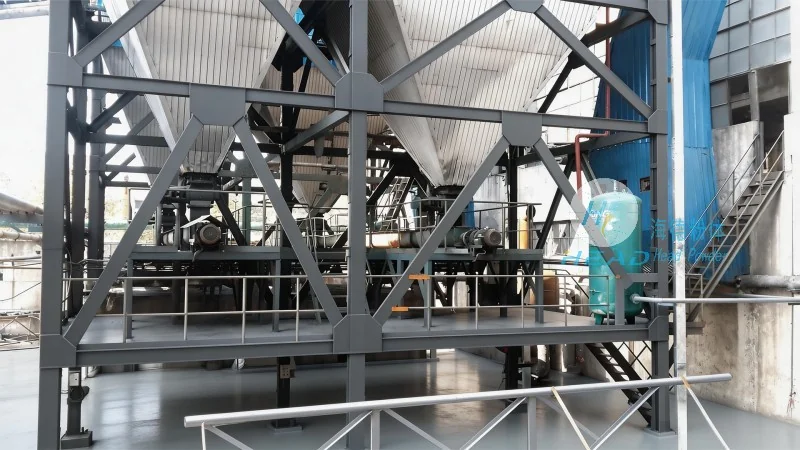
Key Considerations in Implementing Polyacrylamide-Based Solutions
When implementing polyacrylamide material handling solutions, several factors must be carefully considered to maximize efficiency and minimize operational challenges. First, the compatibility of the polyacrylamide with the material being handled is essential. Some materials may react with the polymer, leading to degradation or reduced effectiveness. Conducting compatibility tests before full-scale implementation is crucial to avoid unexpected issues. Second, the equipment used for mixing and application must be properly maintained to prevent clogging or wear. Regular cleaning and inspection of the equipment are necessary to ensure consistent performance and longevity. Third, the environmental impact of the polyacrylamide must be managed. While polyacrylamide is generally biodegradable, its concentration and disposal methods should be controlled to minimize ecological effects. Finally, the cost-effectiveness of the solution must be evaluated. The use of polyacrylamide can reduce operational costs by improving material flow, reducing downtime due to blockages, and extending the lifespan of equipment.
The Role of Shandong HeadPowder Engineering Co., Ltd. in Providing Polyacrylamide Material Handling Solutions
Shandong HeadPowder Engineering Co., Ltd., a prominent company based in China, specializes in providing high-quality polyacrylamide products and solutions for material handling applications. With a strong emphasis on research and development, the company has developed a diverse range of polyacrylamide grades tailored to meet the unique needs of various industrial sectors. The company's products are manufactured using advanced technology and stringent quality control measures, ensuring consistent performance and reliability. HeadPowder Engineering also offers comprehensive technical support and consultation services to assist clients in designing and implementing effective polyacrylamide material handling systems. By leveraging their expertise and experience, clients can optimize their material handling processes, enhance operational efficiency, and achieve significant cost savings. The company's commitment to quality and customer satisfaction has established it as a trusted partner for businesses seeking reliable polyacrylamide solutions in China.




