Inorganic salt crystal material handling is a specialized field focused on the transportation, storage, and processing of crystalline inorganic salts, such as sodium chloride, potassium chloride, calcium carbonate, and other similar compounds. These materials are widely used in various industries, including chemical manufacturing, food processing, pharmaceuticals, and water treatment. The efficient handling of these crystals is crucial for maintaining product quality, ensuring operational safety, and optimizing production costs. This article explores the fundamental concepts of inorganic salt crystal material handling and the key design principles that underpin effective systems.
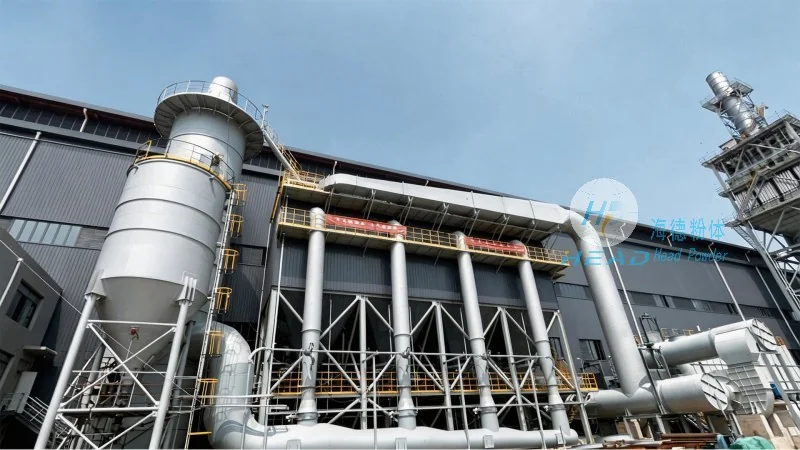
About HeadPowder: Your Trusted Partner in Material Handling Engineering
HeadPowder, formally known as Shandong HeadPowder Engineering Co., Ltd., is a leading engineering company based in Shandong, China. With decades of experience in the material handling industry, HeadPowder specializes in designing, manufacturing, and implementing customized solutions for the unique challenges of inorganic salt crystal processing. The company’s expertise lies in understanding the physical and chemical properties of different salts and translating them into robust, reliable, and efficient handling systems. HeadPowder’s commitment to quality, innovation, and customer satisfaction has made it a preferred choice for businesses seeking to enhance their material handling operations.
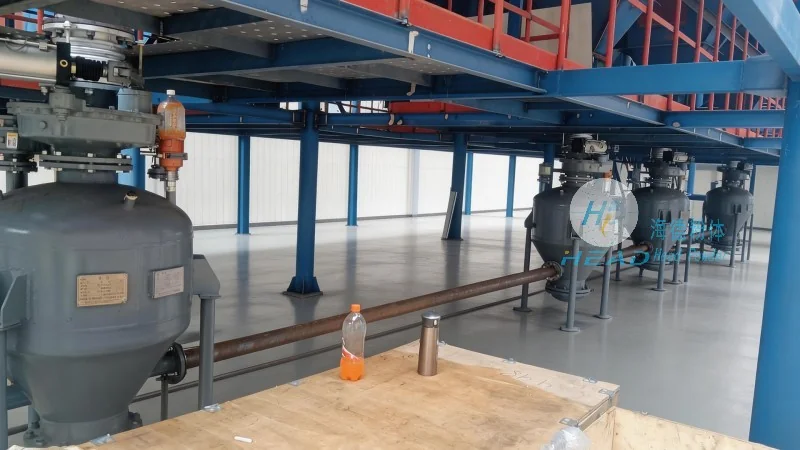
Core Design Principles for Inorganic Salt Crystal Handling Systems
The design of inorganic salt crystal handling systems is guided by several critical principles that address the specific characteristics of these materials. These principles are essential for ensuring the system operates smoothly, safely, and with minimal downtime. The primary design principles include:
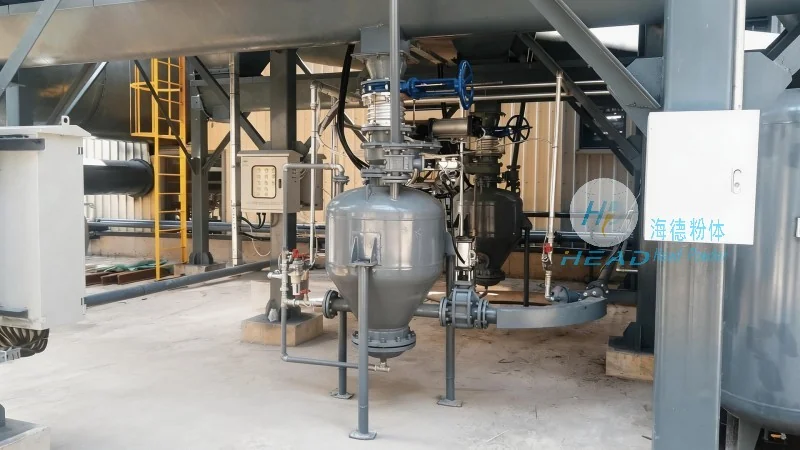
1. **Material Compatibility**: The equipment must be constructed from materials that are resistant to corrosion and chemical reactions with the inorganic salts. For instance, stainless steel, Hastelloy, or other corrosion-resistant alloys are commonly used to prevent degradation from acidic or alkaline environments. This ensures the longevity of the equipment and maintains the purity of the processed crystals.
2. **Flow Control and Prevention of Agglomeration**: Inorganic salt crystals are prone to clumping or agglomerating, which can lead to blockages in hoppers, chutes, and conveyors. Designers incorporate features such as agitators, vibrators, or special hopper designs to maintain a free-flowing material and prevent agglomeration. These measures ensure consistent material flow and prevent system downtime caused by clogs.
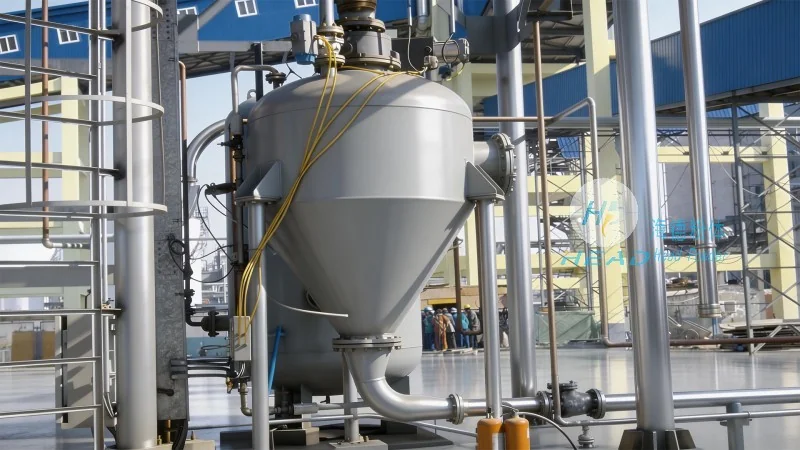
3. **Dust Control and Environmental Safety**: Handling crystalline materials generates fine dust, which can be hazardous to workers and the environment. Systems are designed with dust collection systems, sealed enclosures, and proper ventilation to minimize exposure and comply with occupational health and safety regulations. This not only protects personnel but also reduces the risk of environmental contamination.




