What is Copper Sulfate Material Handling? What Are the Design Principles?
Release time:2026-09-15 20:01:15
name of the company:Shandong Headpowder Engineering Co., Ltd.
telephone:156-6277-7102
contacts:Zhang manager
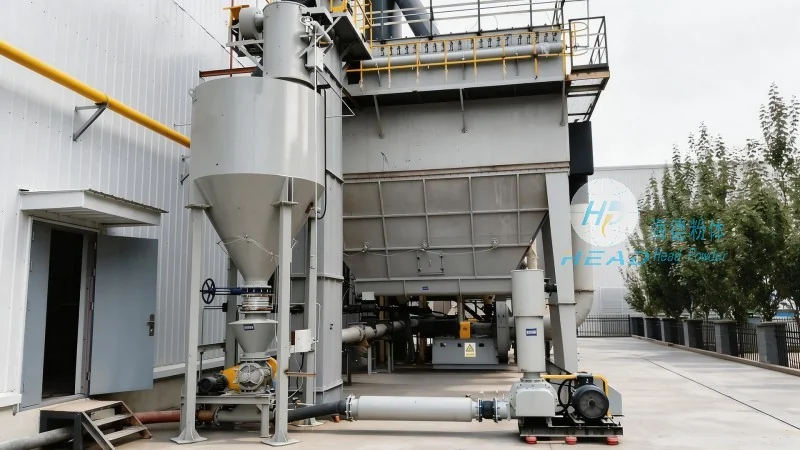
Copper sulfate is a widely used chemical compound in various industrial applications, including agriculture, water treatment, and manufacturing. Efficient material handling of copper sulfate is crucial for maintaining production efficiency and ensuring safety in industrial processes. This article explores the concept of copper sulfate material handling and the fundamental design principles that govern its effective transport and management.
The Importance of Proper Material Handling for Copper Sulfate
Proper material handling of copper sulfate is essential to prevent contamination, ensure product quality, and minimize operational risks. Copper sulfate is often handled in bulk form, requiring specialized equipment and systems to manage its flow, storage, and transfer. The design of material handling systems for copper sulfate must consider factors such as the chemical's properties, environmental impact, and regulatory requirements to ensure compliance and operational safety.
Key Design Principles for Copper Sulfate Material Handling Systems
Effective copper sulfate material handling systems are built on several key design principles that address the unique challenges of handling this chemical. These principles include:
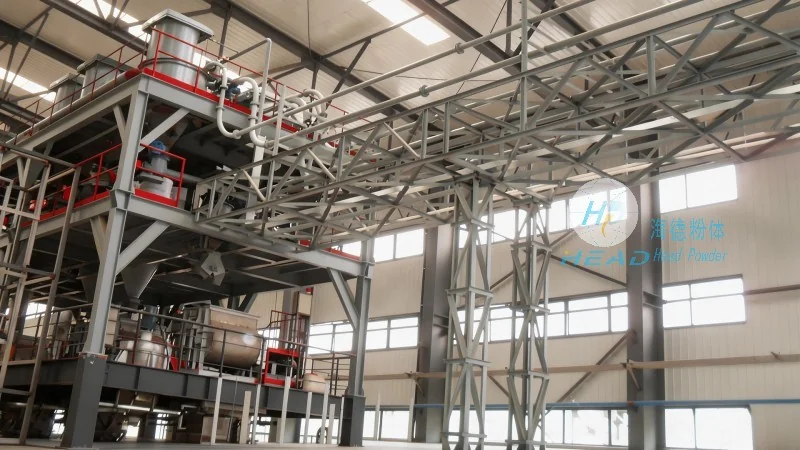
- Material Compatibility: Equipment and components used in copper sulfate handling must be compatible with the chemical to prevent corrosion or degradation. Materials like stainless steel or specialized plastics are commonly used to withstand the corrosive nature of copper sulfate.
- Flow Control and Dosing: Precise control over the flow rate and dosage of copper sulfate is critical in applications like water treatment or agricultural use. Advanced control systems and dosing mechanisms are integrated into material handling systems to ensure accurate and consistent delivery.
- Containment and Safety: Copper sulfate handling systems must incorporate robust containment measures to prevent spills, leaks, or exposure to personnel. This includes sealed storage tanks, enclosed conveyor systems, and emergency spill response protocols to mitigate risks.
- Energy Efficiency: Modern material handling systems for copper sulfate prioritize energy efficiency to reduce operational costs and environmental impact. This may involve using variable frequency drives (VFDs) for motor control, optimizing conveyor speeds, and implementing energy-saving designs.
Components of a Typical Copper Sulfate Material Handling System
A typical copper sulfate material handling system consists of several interconnected components that work together to transport and manage the material. These components include:
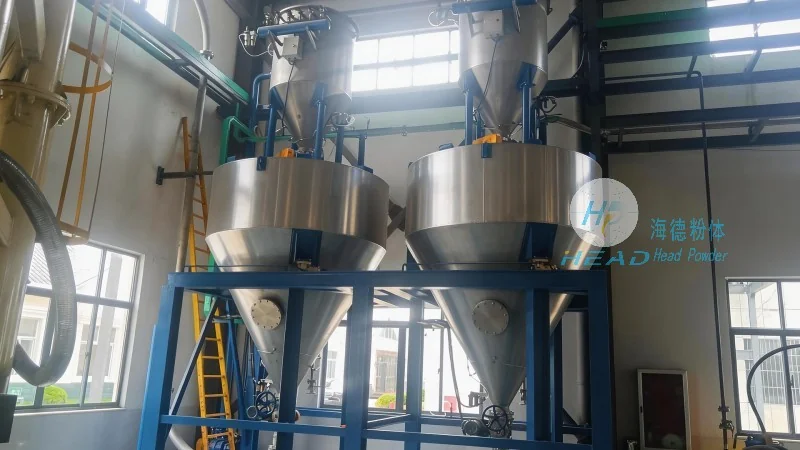
- Storage Tanks: Large, corrosion-resistant tanks are used to store bulk copper sulfate. These tanks are equipped with level sensors, temperature controls, and access points for sampling and maintenance.
- Conveying Systems: Conveyors, such as belt conveyors or screw conveyors, are used to transport copper sulfate from storage to processing areas. These systems are designed to handle the bulk density and flow characteristics of copper sulfate while minimizing friction and material degradation.
- Dosing and Metering Equipment: Dosing pumps or metering valves are used to accurately measure and dispense copper sulfate into downstream processes. These devices ensure consistent dosing rates and prevent over or under-dosing.
- Piping and Valves: Specialized piping and valves are used to transport copper sulfate from storage to processing units. These components are typically made of stainless steel or other corrosion-resistant materials to prevent chemical reactions and ensure durability.
- Control Systems: Integrated control systems monitor and regulate the entire material handling process. These systems use sensors, controllers, and software to optimize operations, detect anomalies, and ensure compliance with safety and quality standards.
Applications of Copper Sulfate Material Handling
Copper sulfate material handling systems are used in a variety of industries where copper sulfate is a key component. Some common applications include:
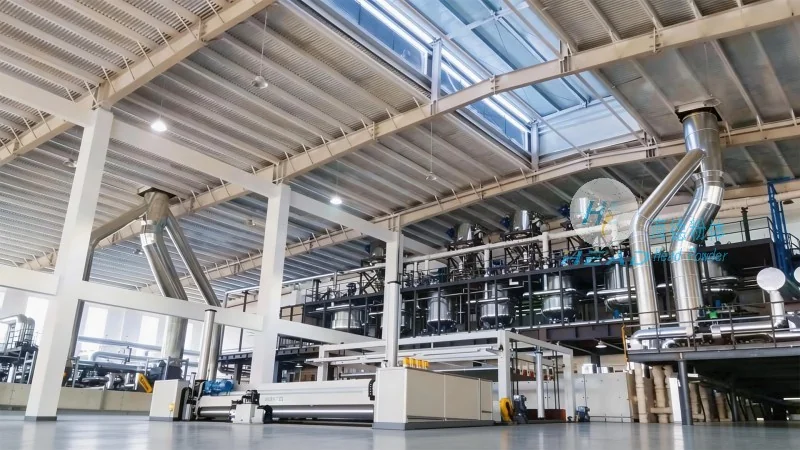
- Water Treatment: Copper sulfate is used as a coagulant and disinfectant in water treatment plants. Material handling systems ensure that the correct dosage of copper sulfate is added to water treatment processes to achieve optimal treatment results.
- Agriculture: In agriculture, copper sulfate is used as a fungicide and fertilizer. Material handling systems are used to apply copper sulfate to crops or soil, ensuring uniform distribution and effective pest control.
- Manufacturing: Copper sulfate is used in the production of various industrial products, including wood preservatives, pigments, and batteries. Material handling systems are integrated into manufacturing lines to transport and process copper sulfate efficiently.
Case Study: Shandong HeadPowder Engineering Co., Ltd.
Shandong HeadPowder Engineering Co., Ltd., a leading provider of material handling solutions, specializes in designing and manufacturing systems for copper sulfate and other industrial chemicals. With years of experience in the field, the company has developed advanced material handling systems that meet the highest standards of efficiency, safety, and compliance. HeadPowder's expertise in material handling technology ensures that their systems are tailored to the specific needs of each client, providing customized solutions that enhance operational performance and reduce costs.
Conclusion
Efficient copper sulfate material handling is essential for optimizing industrial processes and ensuring safety. By adhering to key design principles and utilizing advanced equipment, industries can effectively manage the transport and use of copper sulfate. Companies like Shandong HeadPowder Engineering Co., Ltd. play a critical role in providing innovative material handling solutions that support the needs of various industries, contributing to improved productivity and environmental sustainability.




