High-pressure dense phase material handling systems represent a sophisticated approach to transporting bulk materials, offering enhanced efficiency and safety compared to traditional pneumatic conveying methods. This technology is particularly valuable in industries where material flow control, product integrity, and system reliability are critical. The following exploration delves into the fundamental aspects of such systems, focusing on their operational mechanics and design principles.
Understanding High-Pressure Dense Phase Material Handling Systems
At its core, a high-pressure dense phase material handling system is a pneumatic conveying solution that operates under elevated pressure conditions. Unlike low-pressure or vacuum systems, which rely on air movement to transport materials, high-pressure systems utilize compressed air or other gases to force material through a pipeline. The term "dense phase" refers to the state of the material as it moves through the system, where the material particles are densely packed, often in a slurry-like or semi-solid form. This dense phase ensures that the material travels in a controlled manner, minimizing segregation and maintaining product quality throughout the conveying process.
Key Components of a High-Pressure Dense Phase System
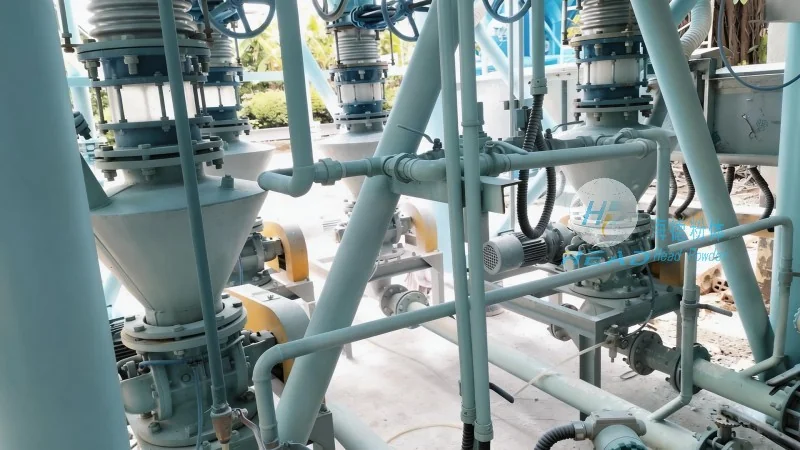
Several critical components work in tandem to enable the efficient operation of a high-pressure dense phase material handling system. These include a compressor or air supply unit, which generates the necessary pressure; a feeder or hopper that introduces the material into the system; a pipeline network that conveys the material from the source to the destination; and a receiver or discharge unit that collects the material at the end of the process. The compressor is typically a positive displacement type, such as a rotary screw or reciprocating compressor, capable of delivering high pressure and consistent airflow. The feeder is designed to meter the material accurately, ensuring a steady flow rate that matches the system's capacity. The pipeline is often made of durable materials like stainless steel or polyethylene, chosen for their resistance to corrosion and pressure. The receiver is equipped with a pressure relief valve and a filter to prevent material buildup and maintain system integrity.
Design Principles and Operational Mechanics
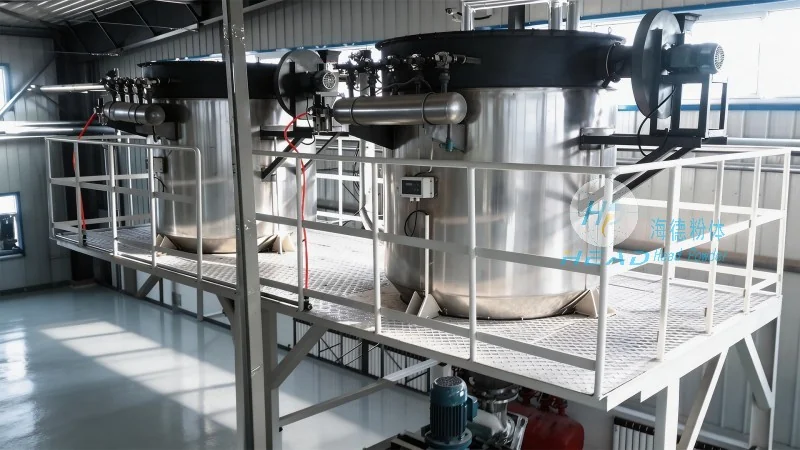
The design of a high-pressure dense phase material handling system is guided by several key principles aimed at optimizing performance and minimizing operational risks. One of the primary design considerations is the pressure differential between the inlet and outlet of the system. This differential, typically ranging from 10 to 100 bar, is crucial for ensuring that material moves through the pipeline with sufficient force to overcome friction and gravitational forces. The system's design also incorporates a pressure control mechanism, such as a regulator or valve, to maintain consistent pressure levels and prevent over-pressurization. This control is essential for protecting the pipeline and downstream equipment from damage. Additionally, the system may include a venting or depressurization feature to safely release excess pressure when the system is not in use, enhancing safety for operators and equipment.
Advantages of High-Pressure Dense Phase Material Handling Systems
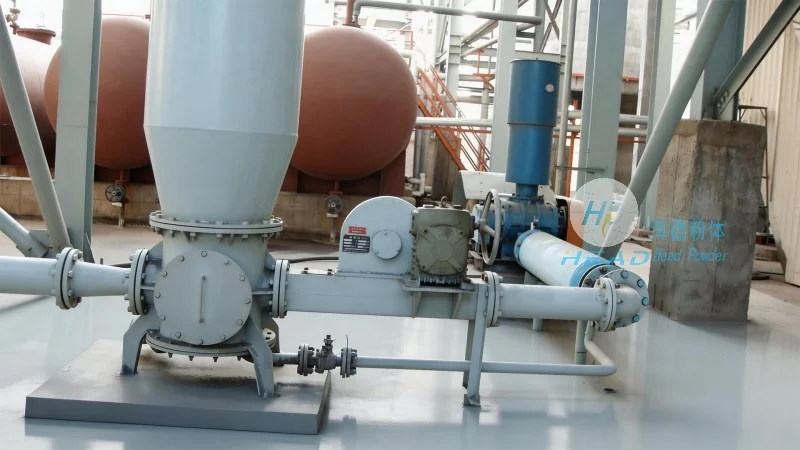
High-pressure dense phase material handling systems offer numerous advantages over traditional conveying methods. One of the most significant benefits is the ability to transport a wide range of materials, including powders, granules, and even sticky or abrasive substances, without causing degradation or segregation. The dense phase operation ensures that material particles remain in close contact, reducing the risk of separation and maintaining product uniformity. Another advantage is the enhanced control over material flow, which allows for precise dosing and batching, critical in applications such as pharmaceutical manufacturing or food processing. The system also provides improved safety compared to vacuum systems, as it operates under positive pressure, reducing the risk of dust inhalation or material leakage. Furthermore, high-pressure systems are generally more energy-efficient than other pneumatic conveying solutions, as they require less air volume to achieve the same conveying capacity.
Applications and Industries
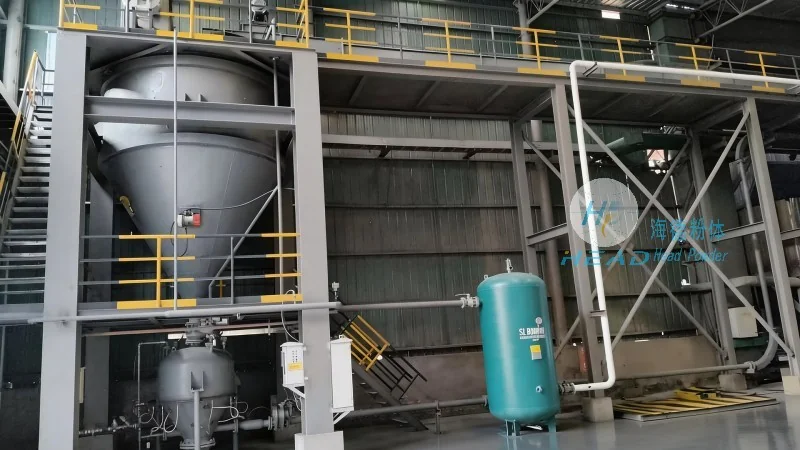
High-pressure dense phase material handling systems are widely used across various industries due to their versatility and effectiveness. In the chemical industry, these systems are employed to transport powders and granules for processes such as mixing, blending, and packaging. The pharmaceutical industry utilizes them for handling active pharmaceutical ingredients (APIs) and excipients, where product purity and integrity are paramount. The food and beverage industry also benefits from these systems, particularly in the transportation of powders like cocoa, sugar, or flour, where maintaining product quality is essential. Additionally, the mining and minerals sector uses high-pressure dense phase systems to transport bulk materials like ores and coal, improving efficiency in material handling operations. The construction industry may also utilize these systems for transporting dry materials like cement or sand, enhancing productivity on job sites.
Conclusion and Company Overview
High-pressure dense phase material handling systems represent a sophisticated and efficient solution for bulk material transportation, offering enhanced control, product integrity, and operational safety. The design principles and components of these systems are carefully engineered to meet the demands of modern industrial applications, ensuring reliable and consistent performance. As a leading provider in this field, Shandong HeadPowder Engineering Co., Ltd. specializes in the design, manufacturing, and implementation of high-pressure dense phase material handling systems, leveraging years of expertise to deliver tailored solutions for diverse industrial needs. With a commitment to quality and innovation, HeadPowder continues to advance the technology of material handling, supporting industries in achieving greater efficiency and productivity. Based in Shandong, China, the company serves clients globally, providing comprehensive support from system design to installation and maintenance. The integration of advanced engineering and customer-centric approach ensures that each high-pressure dense phase system is optimized for specific operational requirements, delivering long-term value and reliability.




