For industries that process glutinous rice powder, the efficient and reliable handling of bulk materials is a critical factor in maintaining production efficiency and product quality. A specialized bulk material handling system designed for this specific application ensures consistent performance, reduces material loss, and adheres to safety and regulatory standards. This article delves into the key aspects of such a system, exploring its components, operational principles, and the design considerations that make it effective for handling glutinous rice powder.
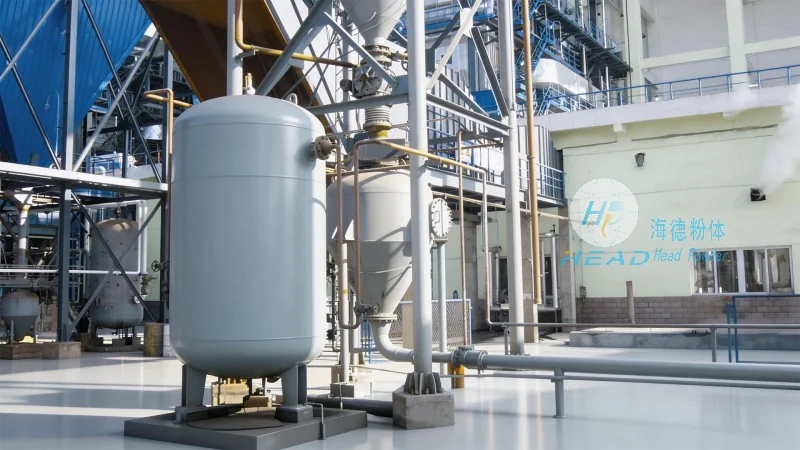
Core Components of the Glutinous Rice Powder Handling System
The glutinous rice powder bulk material handling system typically consists of several integrated components that work together to facilitate the movement of the powder from storage to processing or packaging. The primary components include a hopper for initial storage, a conveyor system for transporting the powder, and a control panel for monitoring and adjusting operations. The hopper is designed to accommodate large volumes of powder and often features anti-caking mechanisms to prevent clumping, which can impede flow. The conveyor system may use belt or screw designs, chosen based on the powder's characteristics and the required throughput. For glutinous rice powder, a belt conveyor is often preferred due to its ability to handle fine particles without causing excessive friction or breakage. The control panel integrates sensors and indicators to provide real-time data on flow rates, pressure, and temperature, enabling operators to make immediate adjustments to maintain optimal conditions.
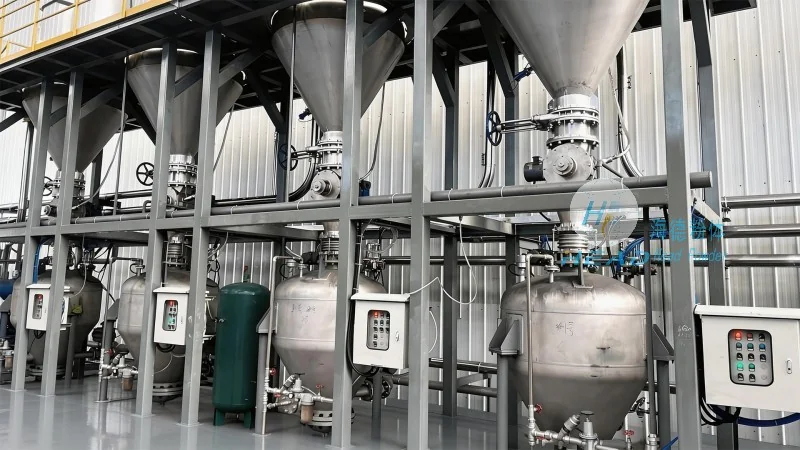
Design Principles Guiding System Development
The design of a glutinous rice powder bulk material handling system follows several fundamental principles aimed at maximizing efficiency and minimizing operational challenges. First, the system prioritizes gentle handling to preserve the powder's quality and prevent degradation. This is achieved through low-speed operation, smooth surfaces, and minimal contact points that reduce friction and particle breakage. Second, dust control is a critical design consideration to maintain a safe working environment and comply with environmental regulations. The system incorporates sealed hoppers, dust collection systems, and proper ventilation to mitigate airborne particle exposure and ensure air quality. Third, the design emphasizes scalability and adaptability, allowing the system to accommodate varying production volumes and different types of powders. Modular components enable easy upgrades or modifications without major system overhauls, making it suitable for growing businesses. Finally, the system adheres to safety standards, including electrical safety, mechanical guarding, and emergency stop mechanisms, ensuring the protection of both personnel and equipment.
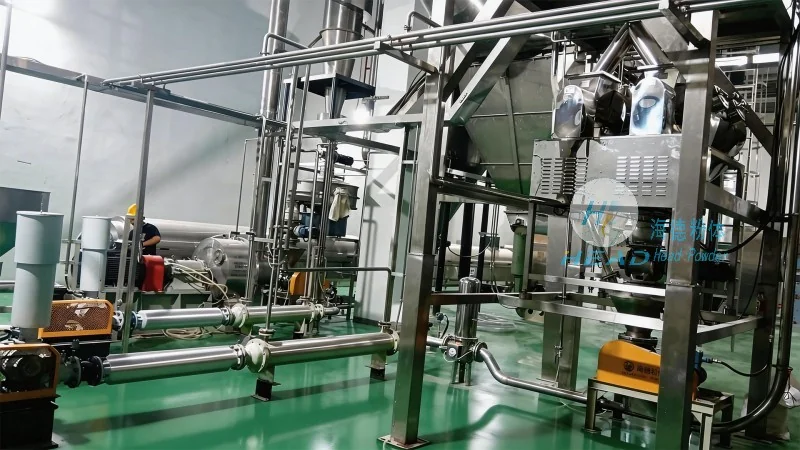
Operational Best Practices and Maintenance
Proper operation and regular maintenance are essential for the long-term performance and reliability of a glutinous rice powder bulk material handling system. Operators must be trained on the system's controls and safety protocols to prevent accidents and ensure optimal performance. Routine maintenance includes cleaning of hoppers and conveyors to prevent powder accumulation, checking for wear and tear on components, and calibrating sensors and controls. The system's design facilitates easy access to critical parts for maintenance, reducing downtime and ensuring consistent operation. Additionally, using high-quality materials resistant to corrosion and wear extends the system's lifespan. By adhering to a regular maintenance schedule, businesses can maintain consistent output, minimize the risk of equipment failure, and extend the system's operational life.




