HeadPowder, a leading engineering firm based in Shandong, China, specializes in the design and implementation of advanced pneumatic conveying systems tailored for soybean and other grain handling applications. This article provides a comprehensive overview of negative pressure and positive pressure pneumatic conveying technologies, exploring their principles, operational characteristics, and practical applications in grain processing and material handling.
Understanding Pneumatic Conveying Systems for Soybean Handling
Pneumatic conveying is a critical technology in the agricultural and food processing industries, enabling efficient and dust-free transportation of bulk materials like soybeans from storage silos, processing plants, or storage facilities to processing lines or packaging areas. The choice between negative pressure (suction) and positive pressure (blow) systems depends on factors such as material properties, system layout, and operational requirements. Both systems offer distinct advantages and are widely used in soybean grain handling operations.
Negative Pressure (Suction) Pneumatic Conveying Systems
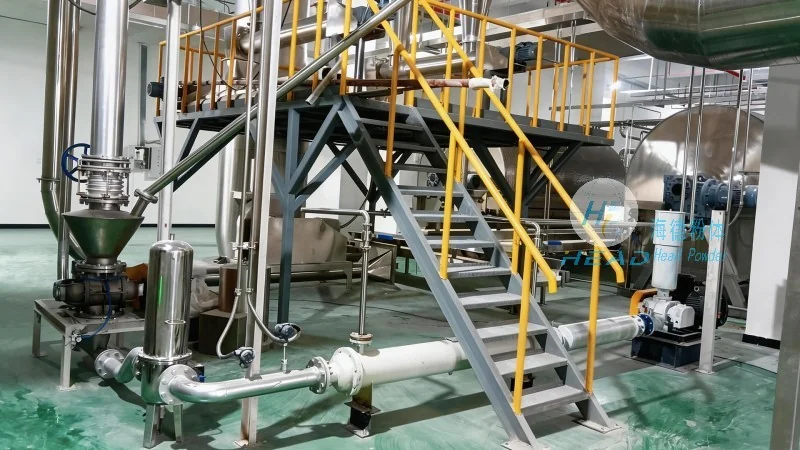
Negative pressure systems operate by creating a vacuum at the material inlet, drawing the soybean grain into the conveying line using an air stream. This method is particularly effective for handling materials that are prone to dust generation or require a gentle handling approach to minimize product degradation. The system typically includes a suction hopper, a filter to capture dust and particles, and a fan or vacuum pump that generates the negative pressure. The conveying line is usually made of flexible or rigid tubing, and the material is transported by the air flow created by the vacuum.
Key advantages of negative pressure systems include reduced material degradation due to lower impact and friction, lower energy consumption compared to positive pressure systems for certain material types, and the ability to handle materials with higher moisture content or more delicate characteristics. However, they may have limitations in terms of system length and material density, as the vacuum can only draw material over a certain distance and with sufficient density to overcome the pressure drop in the line.
Positive Pressure (Blow) Pneumatic Conveying Systems
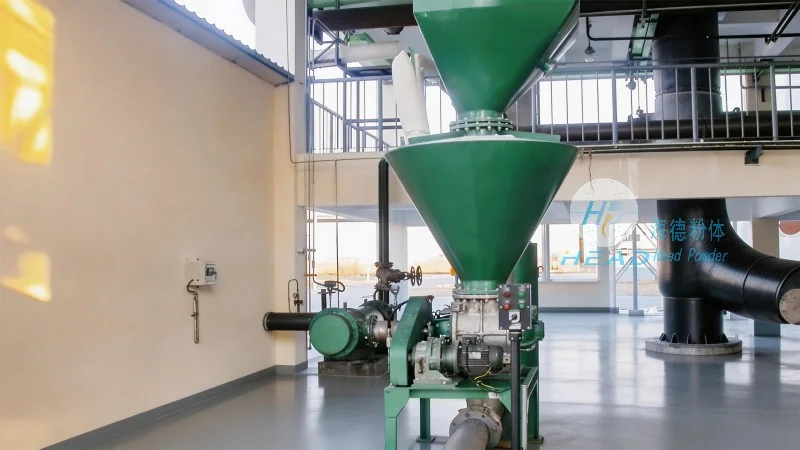
Positive pressure systems, conversely, use a fan or blower to generate high-pressure air that pushes the soybean grain through the conveying line. The material is introduced at the inlet and is carried by the high-velocity air stream, which propels it through the system. This method is suitable for longer conveying distances and for materials with higher density or larger particle sizes. Positive pressure systems are often preferred for applications where the material needs to be transported over significant distances or where the system layout requires a more direct, forceful approach.
Advantages of positive pressure systems include their ability to handle longer conveying distances, higher material loads, and materials with higher density or larger particle sizes. They are also generally more robust and less susceptible to clogging compared to negative pressure systems, as the high-pressure air can dislodge particles that might accumulate in the line. However, they typically consume more energy than negative pressure systems and may generate more noise and vibration.
Key Components and Design Considerations
Both negative and positive pressure pneumatic conveying systems share common components, including hoppers, feeders, conveying lines, filters, and air handling units. However, the design and selection of these components differ based on the system type and application. For example, the suction hopper in a negative pressure system must be designed to create an effective vacuum seal and prevent air leakage, while the blower in a positive pressure system must be capable of generating sufficient pressure to overcome the system's resistance.
Material selection for conveying lines is critical, as soybean grain can be abrasive and may cause wear over time. Stainless steel or high-quality plastic tubing is commonly used to ensure durability and prevent contamination. Filters are essential in both systems to protect downstream equipment from dust and particles, and their design (e.g., bag filters, cartridge filters) depends on the material's dust characteristics and the system's capacity.
Application Examples in Soybean Processing
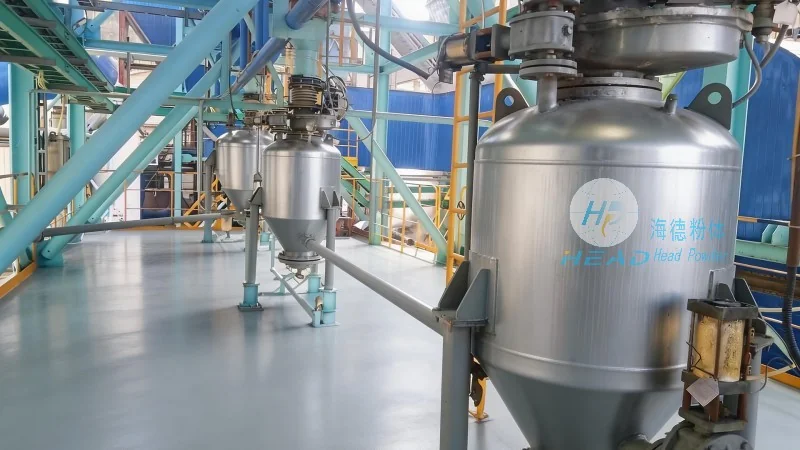
HeadPowder's engineering expertise is applied in various soybean processing facilities, where both negative and positive pressure systems are integrated into the overall material handling workflow. For instance, in a soybean crushing plant, a negative pressure system may be used to transport raw soybeans from storage silos to the pre-processing area, while a positive pressure system is used to move the crushed soybeans to the solvent extraction or oil refining stages. The choice of system in each case is based on the material's properties, the distance to be covered, and the required throughput.
In storage facilities, negative pressure systems are often used for loading or unloading soybeans from trucks or railcars, as they can handle the material gently and minimize dust during transfer. Positive pressure systems may be used for transferring soybeans between storage silos or for loading bulk containers for export. The flexibility of both system types allows HeadPowder to tailor solutions to specific customer needs, ensuring efficient and reliable operation.
Conclusion and Future Trends
Both negative pressure and positive pressure pneumatic conveying systems are essential technologies in modern soybean grain handling operations, offering efficient, dust-free, and reliable material transport solutions. HeadPowder's expertise in designing and implementing these systems ensures that customers can optimize their material handling processes, reduce operational costs, and maintain product quality. As the demand for efficient soybean processing and handling continues to grow, the application of advanced pneumatic conveying technologies will remain critical in meeting industry needs.




