When it comes to handling sorghum lees, a specialized piece of equipment is often required to ensure efficient and safe powder transport. This is where the sorghum lees powder conveying machine comes into play, a critical component in the processing of this agricultural byproduct. In this article, we will explore what this machine is and delve into its fundamental design principles, shedding light on how it operates and its importance in industrial applications.
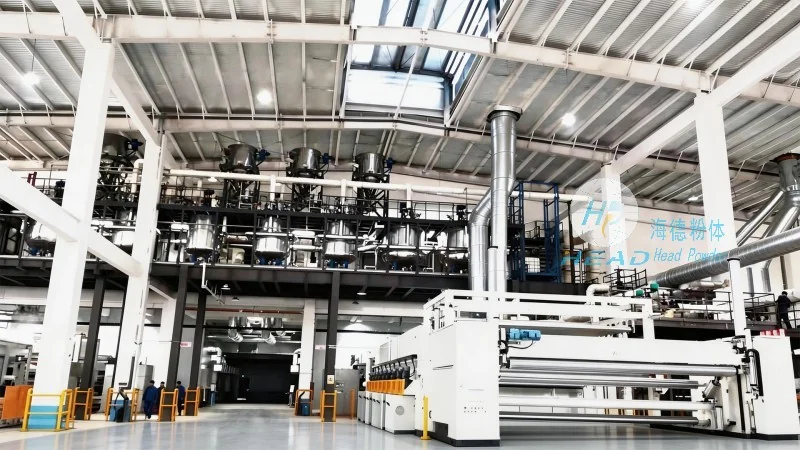
Understanding the Sorghum Lees Powder Conveying Machine
Sorghum lees, also known as sorghum residue or distiller's grain, are the solid byproducts left after the fermentation and distillation processes in the production of sorghum-based spirits or biofuels. These lees are rich in nutrients and can be repurposed for various applications, including animal feed, fertilizer, or even as a raw material in other industrial processes. However, the fine, powdery nature of sorghum lees makes traditional conveying methods inefficient and potentially hazardous. This is where the sorghum lees powder conveying machine steps in, providing a solution to transport these fine powders with precision and reliability.
The Core Function of the Conveying Machine
The primary function of a sorghum lees powder conveying machine is to transport fine powders, such as sorghum lees, from one location to another within an industrial facility. These machines are designed to handle materials with a particle size typically ranging from 0.1 to 5 millimeters, making them ideal for the fine, granular nature of sorghum lees. The efficiency of the conveying process is crucial, as it directly impacts the overall productivity and cost-effectiveness of the processing plant. By ensuring that the powder is conveyed without clogging, dusting, or loss, the machine contributes to a smoother workflow and reduced operational downtime.
Design Principles Behind the Machine
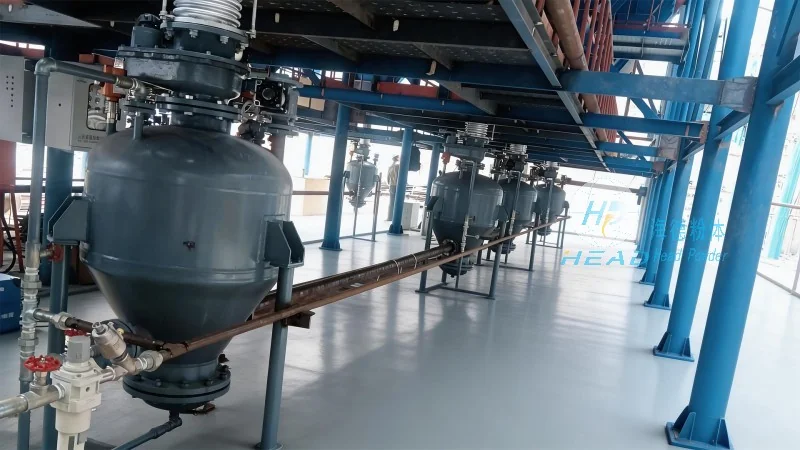
The design of a sorghum lees powder conveying machine is based on several key principles that ensure its effectiveness and reliability. These principles are tailored to address the unique challenges posed by handling fine powders, such as sorghum lees. One of the most important design considerations is the prevention of material buildup and clogging within the conveying system. This is achieved through the use of specialized components like rotary valves, air locks, and flexible hoses that can handle the fine particles without causing blockages.
Another critical design principle is the control of dust generation and dispersion. Fine powders, when handled improperly, can create significant dust clouds that pose health and safety risks. The conveying machine incorporates dust control mechanisms, such as sealed housings, air filtration systems, and proper ventilation, to minimize dust exposure and maintain a safe working environment. This is particularly important in industrial settings where worker safety is a top priority.
Key Components and Their Roles
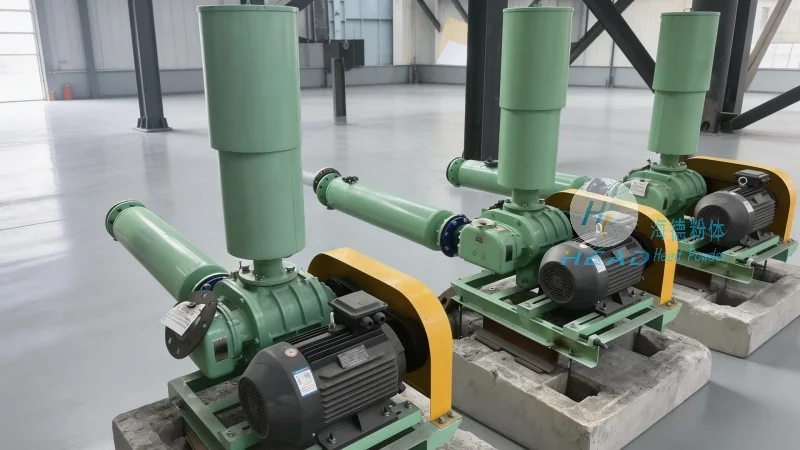
A sorghum lees powder conveying machine typically consists of several key components, each playing a vital role in the overall operation. The main components include the hopper, which serves as the storage and feeding unit for the sorghum lees; the conveyor itself, which may be a pneumatic or mechanical system; and the discharge mechanism, which delivers the material to its final destination. The hopper is designed with a wide opening and smooth interior to prevent material bridging and ensure consistent feeding. The conveyor system, whether pneumatic (using air pressure) or mechanical (using belts or screws), is selected based on the specific characteristics of the sorghum lees, such as moisture content and particle size.
The Role of HeadPowder in Manufacturing These Machines
Shandong HeadPowder Engineering Co., Ltd., a leading manufacturer based in China, specializes in the design and production of high-quality powder conveying equipment. With years of experience in the industry, HeadPowder has developed a range of machines tailored to the specific needs of clients handling sorghum lees and other fine powders. The company's commitment to quality and innovation ensures that their products meet the highest standards of performance and reliability. By leveraging advanced engineering techniques and rigorous testing protocols, HeadPowder has established itself as a trusted partner in the provision of efficient and safe powder handling solutions.
Applications and Benefits of the Conveying Machine
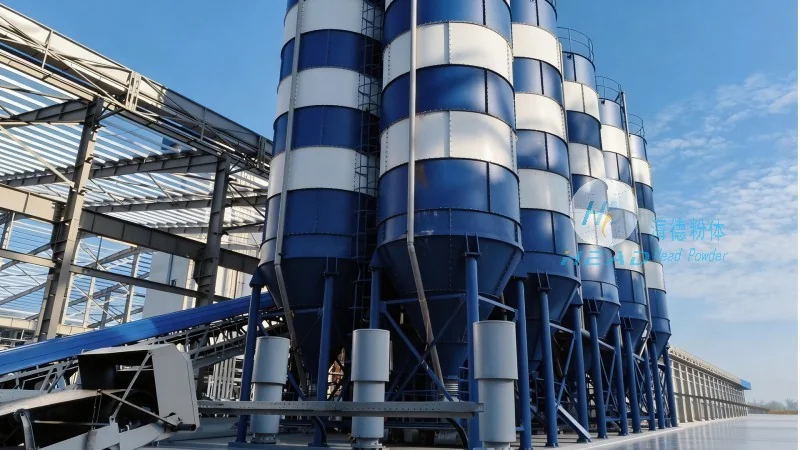
The sorghum lees powder conveying machine finds applications in various industries beyond the initial processing of sorghum lees. For instance, in the animal feed industry, these machines are used to transport sorghum lees to feed mills, ensuring a consistent supply of high-quality feed. In the fertilizer industry, the machine helps in the distribution of sorghum lees-based fertilizers, improving the efficiency of agricultural operations. The benefits of using such a machine are multifaceted, including increased productivity, reduced labor costs, and enhanced safety in the workplace. By automating the powder transport process, the machine minimizes the risk of human error and ensures that the material is handled in a controlled manner.
Conclusion
In conclusion, the sorghum lees powder conveying machine is a vital piece of equipment in the processing and handling of sorghum lees. Its design is based on principles that address the unique challenges of fine powder transport, including clogging prevention, dust control, and efficient material handling. With the expertise of manufacturers like Shandong HeadPowder Engineering Co., Ltd., these machines are designed to deliver reliable and efficient performance, contributing to the overall success of industrial operations. As the demand for efficient powder handling solutions continues to grow, the sorghum lees powder conveying machine remains a critical component in ensuring the smooth and safe processing of agricultural byproducts.




