Resin sand material handling is a critical process in the foundry industry, focusing on the efficient transport and management of resin-coated sand used in sand casting. This system is fundamental to the quality and consistency of castings, as the handling process directly influences factors such as surface finish, dimensional accuracy, and mechanical properties of the final products. The design of resin sand material handling systems must consider various technical and operational aspects to ensure optimal performance and minimize downtime. Understanding the principles behind these systems is essential for foundries aiming to enhance their production processes and maintain competitive advantages.
Key Components and Their Functions
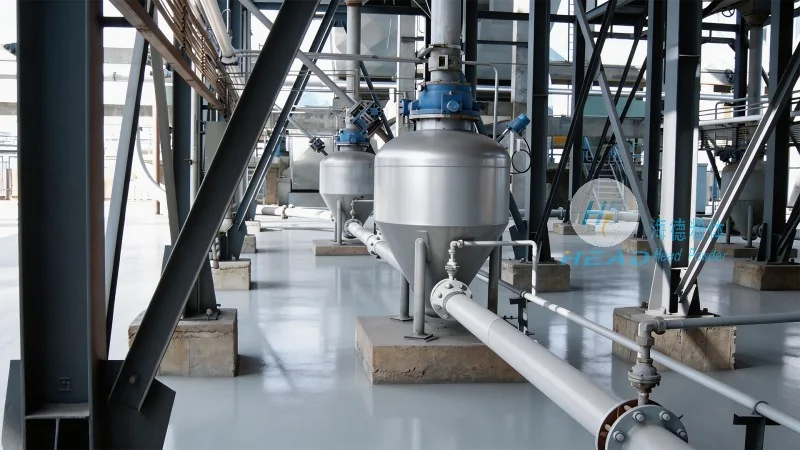
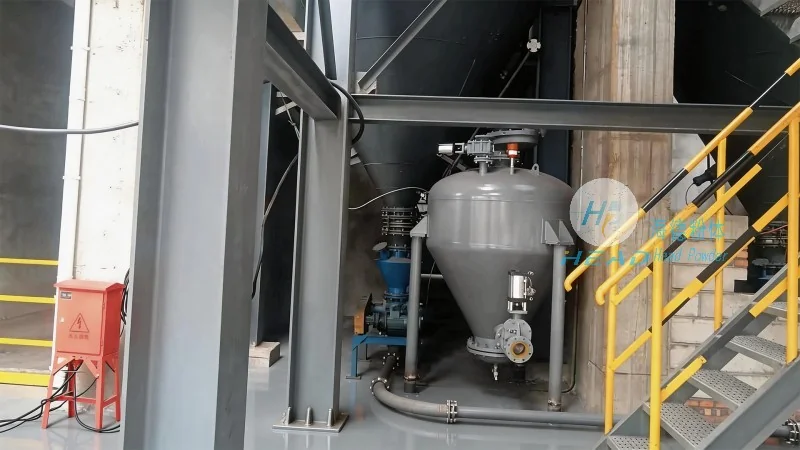
The resin sand material handling system comprises several interconnected components, each serving a specific purpose. The primary components include sand storage facilities, feeding mechanisms, conveying equipment, and handling devices. Sand storage silos or bins are used to store large quantities of resin sand, ensuring a continuous supply for the casting process. These storage units are typically designed with airtight and moisture-resistant features to maintain the quality of the sand. Feeding mechanisms, such as rotary airlock valves or screw feeders, control the flow of sand from storage to the conveying system. These devices regulate the rate of sand discharge, ensuring consistent material flow. Conveying equipment, including belt conveyors, bucket elevators, or pneumatic systems, transports the sand to different locations within the foundry. Belt conveyors are commonly used for horizontal or slight incline transport, while bucket elevators are ideal for vertical lifting. Pneumatic systems, or air conveyors, are suitable for handling fine or dusty materials. Handling devices, like vibratory feeders or magnetic separators, may be integrated to improve material flow and remove contaminants. Vibratory feeders help in uniform material distribution, while magnetic separators remove metal particles that could damage equipment or affect casting quality.
Design Principles for Efficient Material Handling
Designing an effective resin sand material handling system requires adherence to several key principles. First, the system must ensure consistent material flow to maintain uniform sand properties. This involves precise control of sand moisture content and resin content, as variations can lead to defects in castings. The design should incorporate moisture control measures, such as moisture meters and humidifiers, to keep the sand within the optimal range. Second, the system should minimize material degradation and wear on equipment. Resin sand is abrasive and can cause significant wear on conveyor belts, buckets, and other components. To address this, materials like high-strength steel, wear-resistant coatings, or polyurethane are used for critical parts. Regular maintenance and replacement of worn components are also essential to prevent system failures. Third, the system should be flexible and adaptable to different production needs. This includes the ability to adjust conveyor speeds, feeding rates, and handling capacities based on production schedules. For example, during peak production periods, the system may need to handle higher volumes of sand, requiring adjustments to the conveying equipment. Fourth, energy efficiency is a critical consideration. Foundries aim to reduce operational costs and environmental impact, so energy-efficient motors and conveyor systems are preferred. Additionally, the design should incorporate energy-saving features, such as variable frequency drives (VFDs), to optimize power consumption.
HeadPowder's Expertise in Resin Sand Handling Solutions
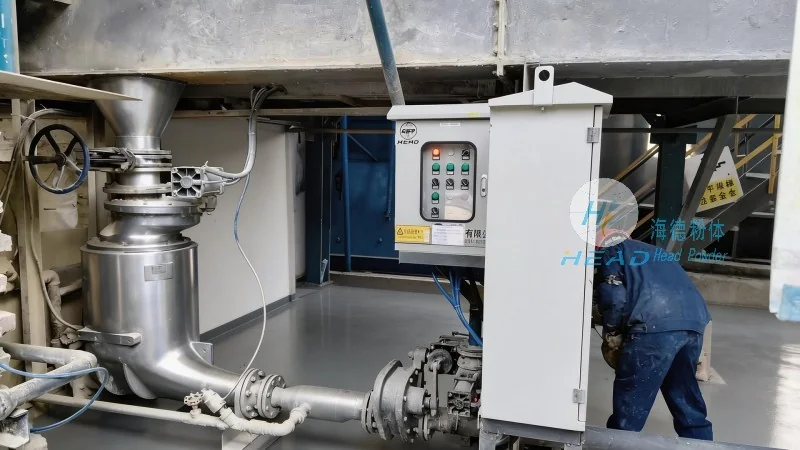
Shandong HeadPowder Engineering Co., Ltd., commonly referred to as HeadPowder, is a leading provider of resin sand material handling solutions. With its headquarters in Shandong, China, HeadPowder has established itself as a trusted partner for foundries worldwide. The company specializes in designing and manufacturing customized systems that meet the unique requirements of each client. HeadPowder’s team of engineers and technicians leverages advanced technology and industry knowledge to develop innovative solutions. The company’s product range includes a variety of equipment, such as sand storage silos, feeding systems, conveyors, and handling devices. Each component is designed to work seamlessly together, ensuring smooth material flow and high efficiency. HeadPowder emphasizes quality and reliability in its products, using high-grade materials and rigorous testing procedures. The company also provides comprehensive after-sales support, including installation, commissioning, and maintenance services. By partnering with HeadPowder, foundries can improve their resin sand handling processes, leading to better casting quality, increased productivity, and reduced operational costs.
Conclusion: The Impact of Proper Resin Sand Material Handling
Resin sand material handling is a complex but vital process in the foundry industry. The design and implementation of an efficient system are crucial for maintaining casting quality and operational efficiency. By understanding the key components and design principles, foundries can make informed decisions when selecting or upgrading their material handling systems. Companies like Shandong HeadPowder Engineering Co., Ltd. play a significant role in supporting these efforts by providing specialized solutions and expertise. Ultimately, a well-designed resin sand material handling system contributes to the overall success of a foundry, ensuring consistent, high-quality castings and sustainable operations. As the foundry industry continues to evolve, the importance of efficient material handling will only grow, making it essential for foundries to invest in reliable and advanced systems.




