Organic fertilizer material handling refers to the processes and systems used to transport, store, and manage organic fertilizer materials from production sites to application areas. This process is crucial for ensuring the efficient and safe distribution of organic fertilizers, which are vital for sustainable agricultural practices. The design of these systems must consider various factors to optimize performance, minimize waste, and enhance operational efficiency.
Introduction to Organic Fertilizer Material Handling
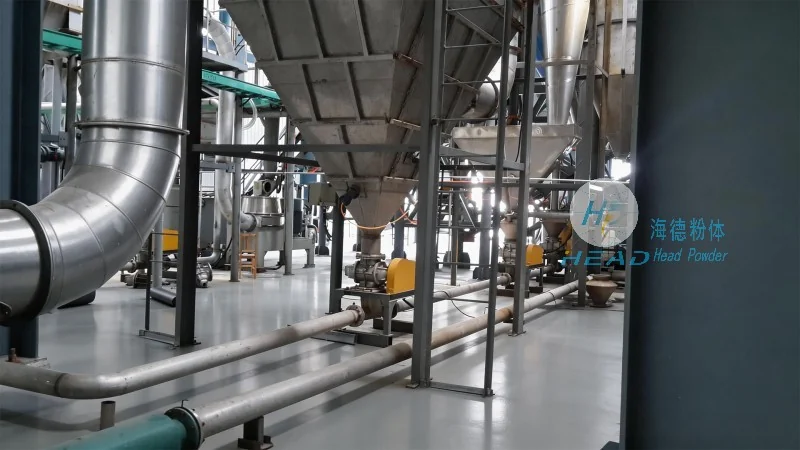
Organic fertilizer material handling encompasses a range of activities, including the collection of raw organic materials, processing into usable fertilizer products, and the subsequent transportation to farms or storage facilities. The goal is to maintain the quality and integrity of the organic material throughout the handling process, which is essential for preserving its nutrient content and effectiveness as a fertilizer. Proper material handling also reduces the risk of contamination and ensures compliance with environmental regulations.
Key Components of Organic Fertilizer Material Handling Systems
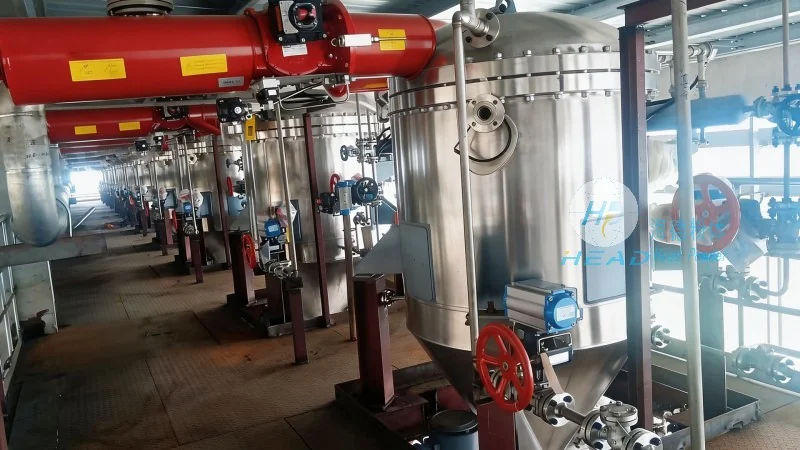
Effective organic fertilizer material handling systems typically include several key components. These may include bulk storage silos or piles for raw materials, processing equipment such as grinding or mixing units, and various types of conveying systems like belt conveyors, screw conveyors, or pneumatic transport systems. Each component plays a critical role in the overall efficiency of the material handling process. For instance, storage facilities must be designed to accommodate large volumes of organic materials while preventing spoilage or nutrient loss. Processing equipment must be capable of handling the specific characteristics of organic materials, such as moisture content and particle size. Conveying systems, on the other hand, must ensure smooth and continuous movement of the material with minimal degradation.
Design Principles for Efficient Organic Fertilizer Material Handling
The design of organic fertilizer material handling systems follows several fundamental principles aimed at maximizing efficiency and minimizing operational costs. One key principle is the integration of all components into a cohesive system that allows for seamless material flow from production to distribution. This involves careful planning of the layout and placement of equipment to minimize the distance and time required for material movement. Another important principle is the consideration of the physical and chemical properties of the organic material. For example, materials with high moisture content may require specialized equipment to prevent clogging or blockages in conveying systems. Similarly, materials that are prone to degradation must be handled in a way that preserves their quality, such as through controlled temperature and humidity conditions.
The Role of Shandong HeadPowder Engineering Co., Ltd. in Organic Fertilizer Material Handling Solutions
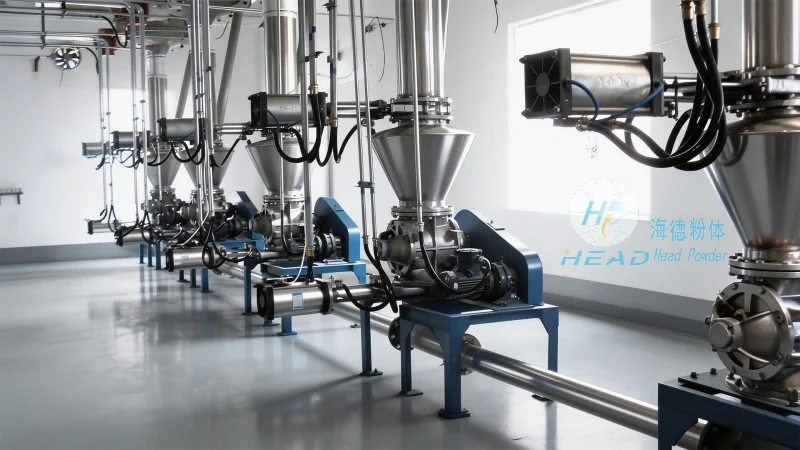
Shandong HeadPowder Engineering Co., Ltd., commonly known as HeadPowder, is a leading provider of engineering solutions for organic fertilizer material handling. With headquarters in Shandong, China, the company specializes in designing and manufacturing customized material handling systems tailored to the unique needs of agricultural operations. HeadPowder's expertise lies in understanding the specific challenges of organic fertilizer handling, such as the variability of raw materials and the need for sustainable processing methods. The company's solutions often incorporate advanced technologies, including automated control systems and energy-efficient equipment, to enhance the performance and sustainability of material handling operations. By leveraging their experience and innovative approaches, HeadPowder helps clients optimize their organic fertilizer material handling processes, leading to improved productivity and reduced environmental impact.




