For industrial applications involving the handling of hydrated lime powder, understanding the technology behind pneumatic conveying systems is crucial. This article explores the concept of a hydrated lime powder pneumatic conveying system and delves into its core design principles, offering insights into how such systems efficiently transport bulk materials like hydrated lime powder from one location to another.
Understanding Hydrated Lime Powder Pneumatic Conveying Systems
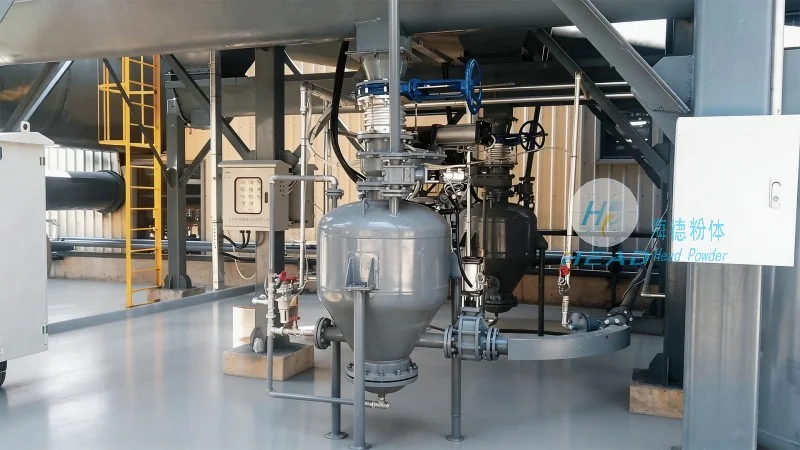
A hydrated lime powder pneumatic conveying system is a method of transporting dry bulk materials, specifically hydrated lime powder, using a combination of air or gas and mechanical components. Unlike traditional methods like belt conveyors or bucket elevators, pneumatic conveying systems utilize air pressure to move material through a pipeline network. This approach is particularly advantageous for materials that are dusty, have a tendency to clump, or require a dust-free environment during transport.
The Core Components of a Hydrated Lime Powder Pneumatic Conveying System
At the heart of any pneumatic conveying system are several key components that work in tandem to ensure efficient material transport. These components typically include a material feeder, a conveying line (pipeline), a compressor or blower to generate the necessary air pressure, and a receiver or discharge device to collect the material at the destination. Each component plays a critical role in the overall operation of the system.
Design Principles for Efficient Hydrated Lime Powder Transport
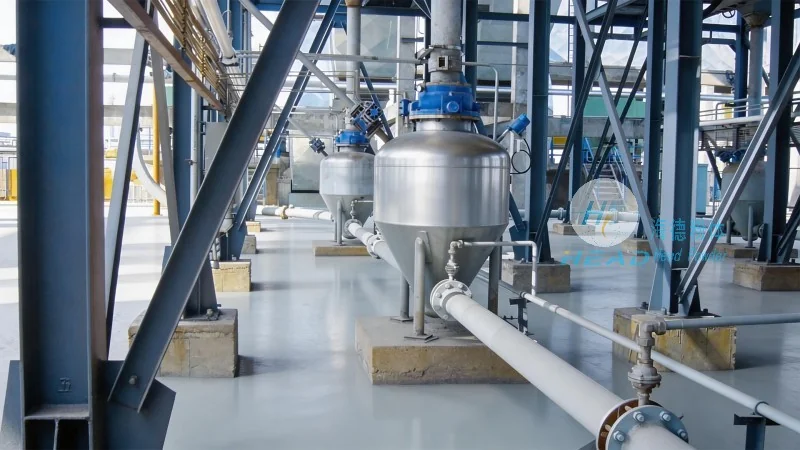
The design of a hydrated lime powder pneumatic conveying system is tailored to the specific characteristics of the material being transported. For hydrated lime powder, which is a fine, dry powder with certain flow properties, the system must be designed to handle these characteristics effectively. Key design principles include maintaining appropriate air velocity to prevent material settling or blockages, selecting the right type of feeder to ensure consistent material flow, and using appropriate pipeline diameters and materials to minimize friction and pressure losses.
Advantages of Using a Hydrated Lime Powder Pneumatic Conveying System
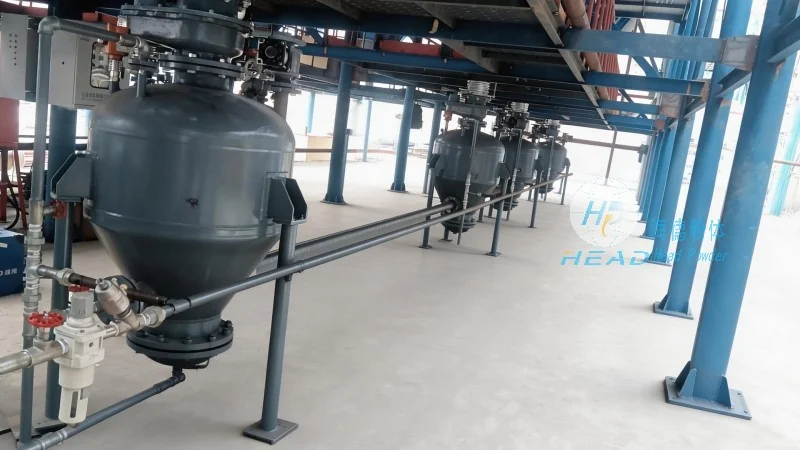
Implementing a pneumatic conveying system for hydrated lime powder offers several advantages over traditional transport methods. These include reduced labor costs due to automated material handling, improved safety by minimizing manual handling of dusty materials, and enhanced product quality by preventing contamination or degradation during transport. Additionally, pneumatic systems can be more flexible in terms of layout, allowing for easier integration into existing industrial facilities.
Applications of Hydrated Lime Powder Pneumatic Conveying Systems
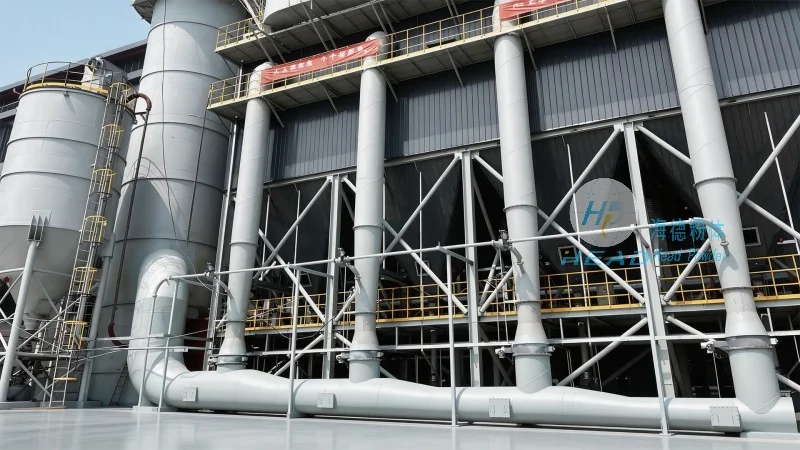
Hydrated lime powder pneumatic conveying systems are widely used in various industrial sectors where the handling of bulk powders is required. Common applications include the chemical industry, where hydrated lime is used as a raw material in the production of calcium compounds, the construction industry for lime-based products, and the environmental sector for flue gas desulfurization processes. The versatility of these systems makes them suitable for a wide range of applications requiring reliable and efficient material transport.
Conclusion
In conclusion, a hydrated lime powder pneumatic conveying system is a sophisticated and efficient solution for transporting bulk materials. By understanding the design principles and components involved, industries can optimize their material handling processes, leading to improved operational efficiency and cost savings. As a leading provider in this field, Shandong HeadPowder Engineering Co., Ltd. specializes in designing and manufacturing customized pneumatic conveying systems tailored to the specific needs of clients, ensuring reliable and effective material transport solutions.




