When it comes to processing white bean flakes, the efficiency and reliability of the conveying system are critical factors that impact overall production quality and operational costs. As a leading provider in the industry, Shandong HeadPowder Engineering Co., Ltd. specializes in delivering advanced solutions for material handling, including various methods of white bean flake conveyance. This article provides a detailed comparison of common white bean flake conveying methods, highlighting their advantages, limitations, and practical applications.
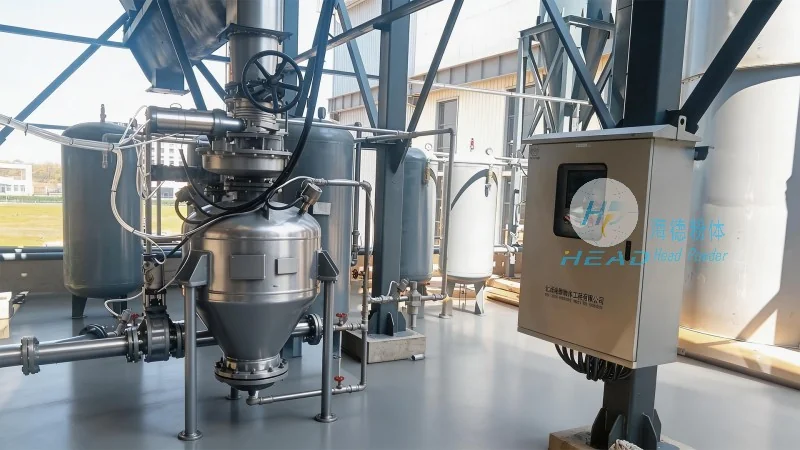
Gravity Conveying Systems
Gravity conveying systems utilize the natural force of gravity to move white bean flakes from one point to another. These systems typically consist of inclined chutes or hoppers that allow the material to flow downward under the influence of gravity. A key advantage of gravity conveyors is their low energy consumption, as they do not require motors or other power sources. This makes them an economical choice for short-distance transfers where the material can be guided by gravity without excessive friction or resistance. However, the effectiveness of gravity conveyors is highly dependent on the angle of the chute and the characteristics of the white bean flakes, such as their size, shape, and moisture content. If the material is too fine or has high moisture levels, it may stick to the chute walls, leading to reduced flow rates and potential blockages. Additionally, gravity systems are limited to vertical or near-vertical inclines and are not suitable for long horizontal runs or complex layouts. For these reasons, gravity conveyors are often used as supplementary components in larger conveying networks, rather than as standalone solutions for extensive material movement.
Pneumatic Conveying Systems
Pneumatic conveying systems employ air or other gases to transport white bean flakes through a pipeline. This method can be categorized into two main types: pressure and vacuum systems. Pressure systems use compressed air to push the material forward, while vacuum systems use a vacuum to pull the material into the pipeline. Pneumatic conveyors offer several benefits, including the ability to transport materials over long distances, even vertically, and the option to handle materials in a closed system, which helps maintain hygiene and prevent contamination. They are also suitable for transferring white bean flakes through complex layouts, such as around equipment or through multiple processing stages. However, pneumatic systems have significant energy requirements, as they need to maintain sufficient air pressure or vacuum to move the material. This can lead to higher operational costs compared to other methods. Furthermore, the design of the system must account for the specific properties of the white bean flakes, such as their dustiness or tendency to agglomerate, to ensure smooth operation and prevent system clogs. Proper filtration and maintenance are also essential to keep the system running efficiently and to protect the material from damage or degradation.
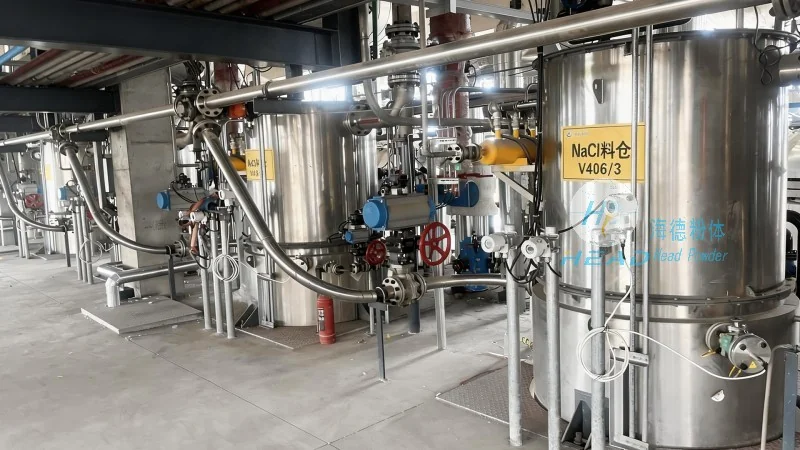
Mechanical Conveying Systems
Mechanical conveying systems rely on mechanical components, such as belts, screws, or chains, to move white bean flakes. Among these, belt conveyors and screw conveyors are the most common for white bean flake handling. Belt conveyors use a continuous belt that moves over rollers or pulleys to transport the material horizontally or at a slight incline. They are ideal for long-distance horizontal transfers and can handle a wide range of material sizes and shapes. Screw conveyors, on the other hand, use a rotating screw (helix) to push the material forward through a tube or trough. Screw conveyors are particularly effective for vertical lifting and can handle materials with higher moisture content or those that tend to stick together. A key advantage of mechanical conveyors is their ability to handle a variety of material conditions and to provide consistent flow rates, even under varying load conditions. However, mechanical systems require regular maintenance to ensure proper operation, as components like belts, screws, and bearings can wear out over time. Additionally, they may generate more noise and vibration compared to other methods, which could affect the working environment. The choice between belt and screw conveyors often depends on the specific application, with belt conveyors preferred for bulk material handling and screw conveyors for more precise or vertical movement.
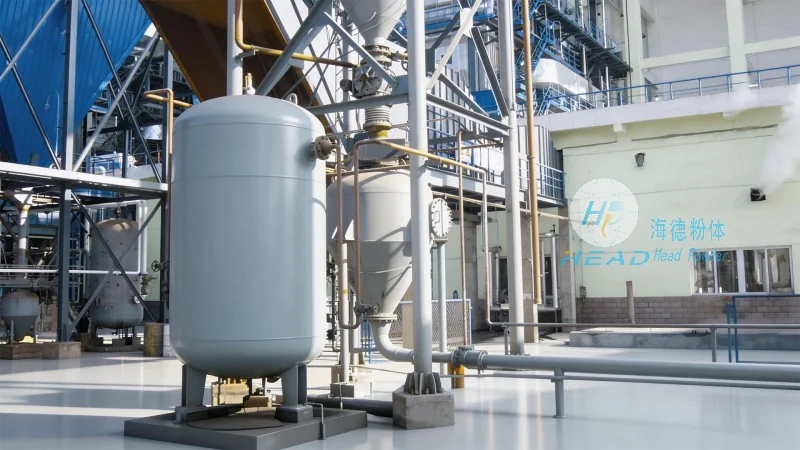
Hybrid Conveying Systems
In many industrial settings, a single conveying method may not be sufficient to meet all the requirements of white bean flake handling. Hybrid systems combine two or more of the above methods to create a more versatile and efficient solution. For example, a hybrid system might use a gravity chute to transport white bean flakes from a storage bin to a pneumatic conveyor, which then moves the material to the processing line. This approach allows for the advantages of each method to be utilized while mitigating their limitations. Hybrid systems are particularly useful in complex production lines where materials need to be transferred over varying distances, through different stages, and around multiple pieces of equipment. They offer flexibility and adaptability, making them suitable for dynamic and evolving production environments. However, the design and integration of hybrid systems require careful planning and expertise to ensure smooth operation and to avoid compatibility issues between different components. Proper maintenance and monitoring are also crucial to prevent system failures and to optimize performance.
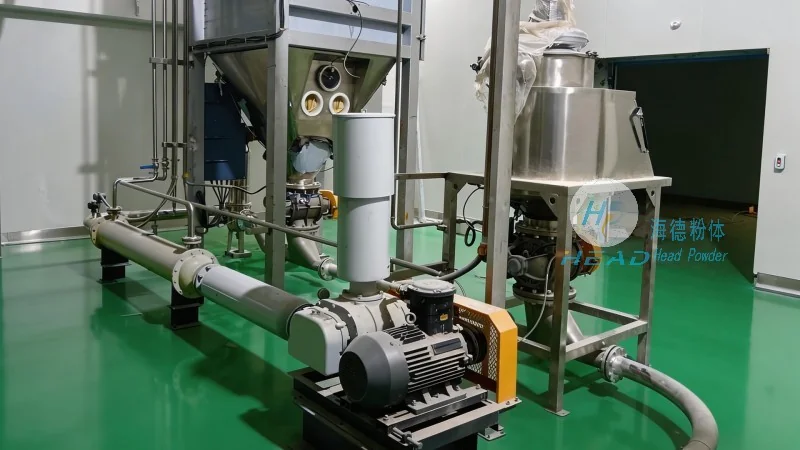
Factors to Consider When Choosing a Conveying Method
When selecting a conveying method for white bean flakes, several factors must be considered to ensure the best fit for the specific application. The first factor is the distance and layout of the material transfer. Short horizontal or vertical runs may be suitable for gravity or mechanical systems, while long or complex layouts may require pneumatic or hybrid systems. The second factor is the characteristics of the white bean flakes, including their size, shape, moisture content, and tendency to stick or agglomerate. These properties will influence the choice of conveyor type and the need for additional equipment, such as classifiers or de-dusters. The third factor is the required flow rate and capacity. High-volume production lines may demand mechanical or pneumatic systems with higher throughput, while low-volume operations may be served by gravity or smaller mechanical conveyors. The fourth factor is the budget and operational costs. Gravity systems are generally the most cost-effective, followed by mechanical systems, and then pneumatic systems due to their higher energy requirements. Finally, the need for hygiene and contamination control should be considered, as some systems, like pneumatic or enclosed mechanical conveyors, offer better protection for the material and the environment.
Conclusion
Choosing the right white bean flake conveying method is a critical decision that can significantly impact the efficiency, cost, and quality of production. Gravity, pneumatic, and mechanical systems each offer unique advantages and limitations, and the optimal choice depends on the specific requirements of the application. By carefully evaluating factors such as distance, material properties, flow rate, and budget, manufacturers can select a conveying system that maximizes performance and minimizes operational challenges. As a trusted partner in material handling solutions, Shandong HeadPowder Engineering Co., Ltd. provides tailored solutions that address the diverse needs of the industry, ensuring reliable and efficient white bean flake conveyance for its clients.




