Calcium oxide, commonly known as quicklime, is a widely used industrial material. The efficient and safe transportation of calcium oxide powder from production sites to processing or storage facilities is crucial for industrial operations. This article explores the concept of a calcium oxide powder pneumatic conveying system and delves into its design principles, highlighting the technical aspects and practical applications of such systems.
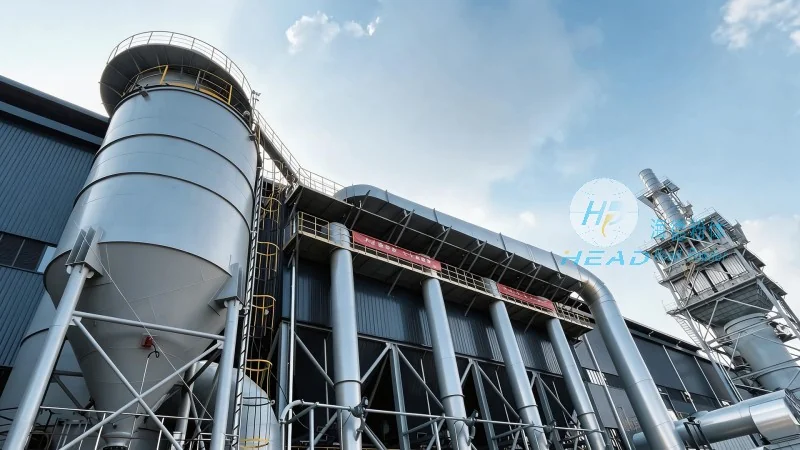
Understanding the Calcium Oxide Powder Pneumatic Conveying System
A calcium oxide powder pneumatic conveying system is a technology used to transport dry powder materials, specifically calcium oxide powder, through a pipeline using air or other gas as the conveying medium. This method offers advantages over traditional mechanical conveying systems, such as reduced equipment wear, lower maintenance costs, and the ability to handle materials in a dust-free environment. The system typically consists of a material hopper, a rotary valve or feeder, a pipeline network, a conveying air source (like a blower or compressor), and a receiver or destination container.
Key Components and Their Functions
Each component of the calcium oxide powder pneumatic conveying system plays a critical role in ensuring efficient material transport. The material hopper stores the calcium oxide powder and feeds it into the system. The rotary valve or feeder controls the flow rate of the powder into the pipeline, preventing clogging and maintaining a consistent feed. The pipeline network transports the powder and air mixture from the source to the destination. The conveying air source generates the necessary air pressure to move the powder particles through the pipeline. Finally, the receiver collects the calcium oxide powder at the end of the conveying process.
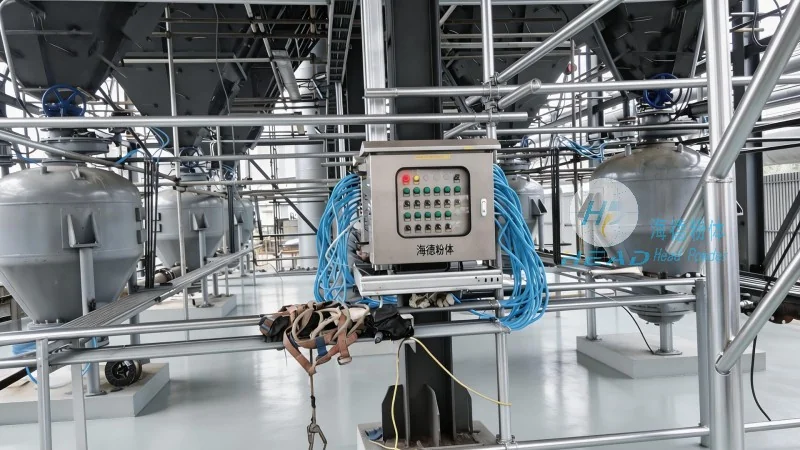
Design Principles for Optimal Performance
The design of a calcium oxide powder pneumatic conveying system is based on several key principles to ensure reliable and efficient operation. These principles include selecting the appropriate air velocity and pressure to achieve the desired conveying capacity and distance. The air velocity must be high enough to keep the powder particles suspended in the air stream but not so high as to cause excessive wear on the pipeline or equipment. The system design also considers the particle size distribution of the calcium oxide powder, as larger particles may require higher air velocities for effective transport. Additionally, the system must account for the dust properties of calcium oxide, such as its reactivity and potential to cause corrosion or blockages, by incorporating appropriate filtration and cleaning mechanisms.
Advantages of Using a Pneumatic Conveying System for Calcium Oxide
Implementing a pneumatic conveying system for calcium oxide powder offers several benefits compared to other conveying methods. Firstly, it provides a dust-free and enclosed transport process, which enhances workplace safety and reduces environmental contamination. Secondly, the system minimizes material loss and degradation during transport, preserving the quality of the calcium oxide powder. Thirdly, pneumatic conveying systems are flexible and can be easily integrated into existing industrial layouts, allowing for adjustments in conveying routes or capacity as needed. Lastly, the system reduces the need for manual handling and handling equipment, lowering labor costs and improving operational efficiency.
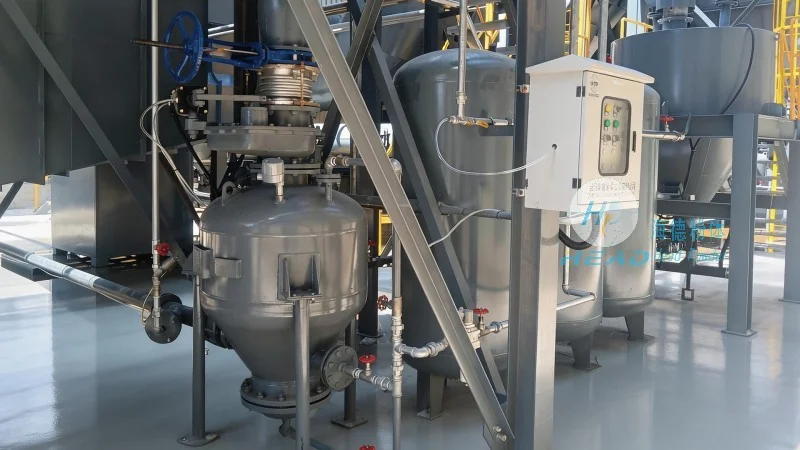
Application Scenarios and Industrial Use Cases
Calcium oxide powder pneumatic conveying systems are widely used in various industrial applications where the transport of dry powders is essential. In the chemical industry, these systems are used to move calcium oxide from production reactors to storage tanks or processing units. In the construction industry, they are employed to transport quicklime for use in cement production or as a raw material in building materials manufacturing. Additionally, in the steel and metallurgical industries, calcium oxide is used as a flux or desulfurizer, and pneumatic conveying systems facilitate its transport to furnaces and reactors. The versatility of the system makes it suitable for a range of applications where efficient and reliable powder transport is critical.
Conclusion
In summary, a calcium oxide powder pneumatic conveying system is a sophisticated technology that enables the efficient and safe transport of calcium oxide powder through a pipeline using air as the conveying medium. The design principles, including appropriate air velocity, pressure, and component selection, are crucial for ensuring optimal performance and reliability. The system offers significant advantages over traditional conveying methods, including dust-free operation, reduced material loss, and improved workplace safety. As an industry leader in powder handling solutions, Shandong HeadPowder Engineering Co., Ltd. specializes in designing and manufacturing customized pneumatic conveying systems tailored to the specific needs of industrial clients, ensuring efficient and reliable material transport for calcium oxide and other dry powders.




