When it comes to transporting hydrated lime, selecting the right pneumatic conveying system is crucial for efficiency, cost-effectiveness, and operational safety. The two primary types of systems are positive pressure and negative pressure. Understanding the differences between these approaches is essential for making an informed decision that aligns with your specific process requirements. This article will explore the key characteristics, advantages, and practical considerations of both positive and negative pressure systems, helping you determine which option is best suited for your hydrated lime handling needs.
Understanding Positive Pressure Pneumatic Conveying
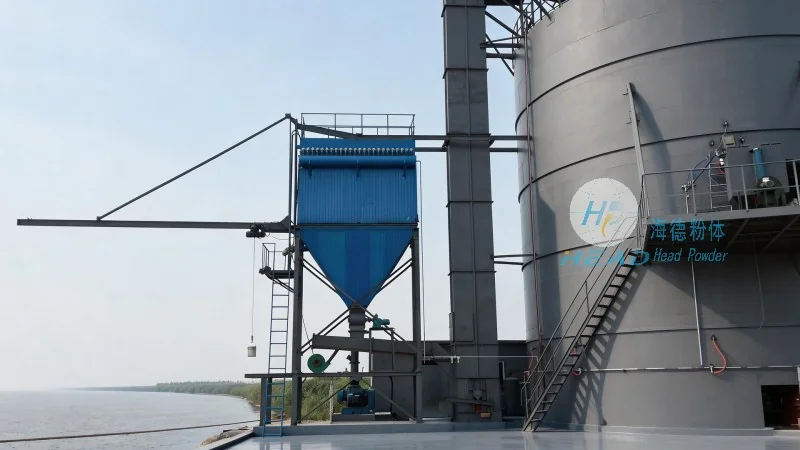
Positive pressure systems operate by blowing air or gas into the conveying line, creating a pressure higher than the ambient atmosphere. This method propels the material through the pipeline, making it suitable for long-distance and high-capacity applications. For hydrated lime, which is often used in industrial processes such as flue gas desulfurization and water treatment, positive pressure systems can offer several benefits. They are generally more efficient in terms of energy consumption compared to negative pressure systems, as the pressure differential is maintained by the blower. Additionally, positive pressure systems are less prone to dust leakage and can handle abrasive materials better, which is important when dealing with hydrated lime's potential to cause wear on equipment.
In a positive pressure system, the material is drawn from a hopper or storage silo and is then carried by the pressurized air. The air velocity must be sufficient to keep the material in suspension and prevent settling. This type of system is commonly used in applications where the material needs to be transported over distances of several hundred meters or more. The equipment typically includes a blower, a hopper with a feeder, and a discharge point at the destination. The positive pressure approach is also advantageous when the material is to be discharged into a process vessel or a storage silo, as it can maintain a positive pressure at the discharge point, reducing the risk of contamination from external air.
Exploring Negative Pressure Pneumatic Conveying
Negative pressure systems, on the other hand, create a vacuum or lower pressure within the conveying line compared to the ambient environment. The material is drawn into the system by the suction created by the vacuum pump. This method is often preferred for shorter distances and for handling materials that are sensitive to pressure changes or for applications where dust containment is a priority. For hydrated lime, negative pressure systems can be beneficial in scenarios where the material is to be transferred from a silo to a processing unit, and the risk of dust exposure needs to be minimized. The lower pressure environment helps in maintaining a clean and controlled transfer process.
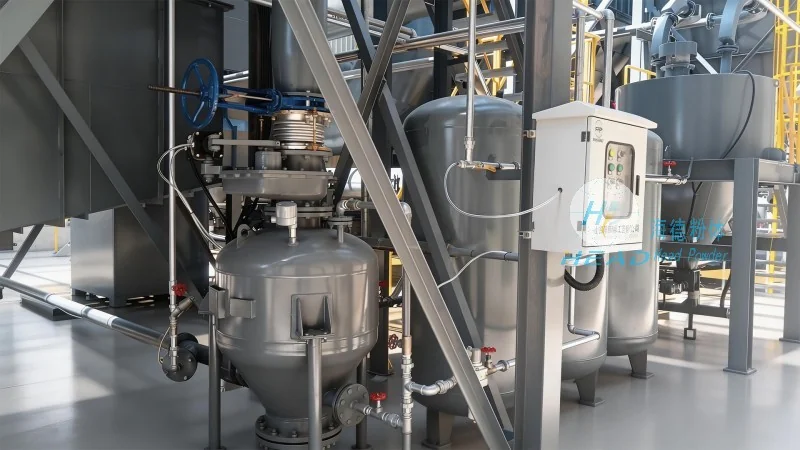
One of the key advantages of negative pressure systems is their ability to handle materials that are prone to caking or bridging, as the suction helps in breaking up agglomerates and ensuring a smooth flow. However, negative pressure systems are generally less efficient in terms of energy consumption compared to positive pressure systems, as they require more power to maintain the vacuum. Additionally, they are more susceptible to dust leakage and can be more complex to maintain, as the vacuum pump and the system's sealing components need to be regularly checked and serviced.
Distinguishing Between Positive and Negative Pressure Systems
So, how do you determine which system is right for your hydrated lime pneumatic conveying needs? The decision largely depends on several factors, including the distance of the transfer, the capacity required, the material's properties, and the environmental considerations. Here are some key points to consider:
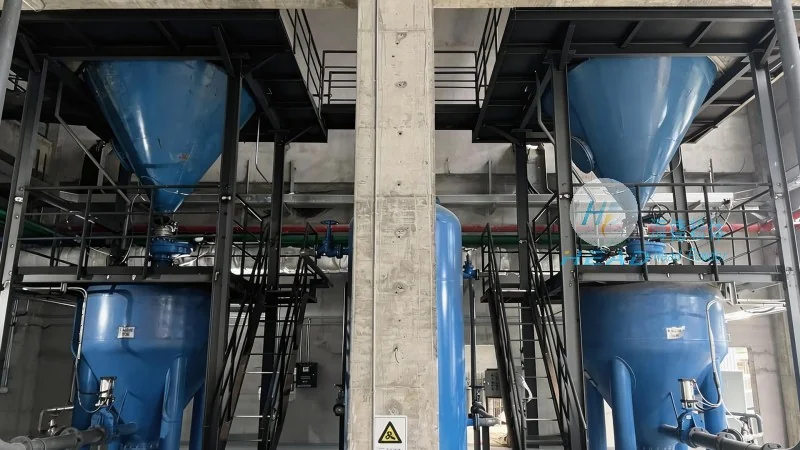
- Distance and Capacity: Positive pressure systems are typically more suitable for long-distance and high-capacity applications, as they can maintain a consistent flow over longer distances without significant pressure loss. Negative pressure systems are better for shorter distances and lower capacities.
- Material Properties: If the hydrated lime is abrasive or has a tendency to cause wear on equipment, a positive pressure system with robust components may be preferred. For materials that are more sensitive to pressure changes or prone to caking, a negative pressure system might be more appropriate.
- Dust Containment: Positive pressure systems can be designed with effective dust collection and filtration systems to minimize emissions. Negative pressure systems, while creating a vacuum, may still require additional dust control measures at the inlet and discharge points to prevent contamination.
- Energy Efficiency: Positive pressure systems generally consume less energy per unit of material conveyed compared to negative pressure systems, making them more cost-effective for large-scale operations.
Another important factor is the overall system design and integration with existing infrastructure. Positive pressure systems often require a more robust pipeline and blower, while negative pressure systems may need a more complex vacuum pump and sealing system. The choice also depends on the availability of space and the layout of the facility, as both systems have specific requirements for the placement of equipment and the layout of the conveying line.
Conclusion and Recommendations
Choosing between positive pressure and negative pressure for hydrated lime pneumatic conveying is a critical decision that impacts the efficiency, safety, and cost-effectiveness of your operations. By carefully evaluating the distance of the transfer, the material's properties, the required capacity, and the environmental considerations, you can select the most appropriate system. Positive pressure systems are generally preferred for long-distance and high-capacity applications due to their energy efficiency and robustness. Negative pressure systems are more suitable for shorter distances and for handling materials that are sensitive to pressure changes or require minimal dust exposure.
At Shandong HeadPowder Engineering Co., Ltd., we specialize in designing and manufacturing customized pneumatic conveying solutions tailored to the specific needs of our clients. Our team of experts can help you assess your requirements and recommend the most suitable system for your hydrated lime handling operations. Whether you need a positive pressure or negative pressure system, we ensure that the solution is efficient, reliable, and meets all safety and environmental standards. Contact us today to learn more about our products and services and to get a customized solution for your pneumatic conveying needs.




