When designing a pneumatic conveying system for sodium chloride, several critical factors must be considered to ensure efficiency, reliability, and safety. The process involves transporting granular or powdered sodium chloride through a pipeline using air or other gas as the conveying medium. Proper system design is essential to prevent material degradation, equipment wear, and operational inefficiencies.
System Selection and Configuration
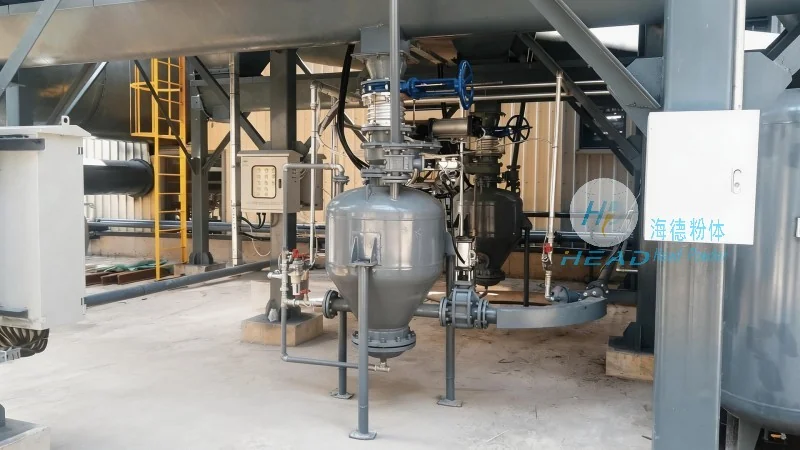
The choice of pneumatic conveying system type—such as dilute phase, dense phase, or hybrid systems—depends on the material characteristics of sodium chloride, including its particle size, moisture content, and flowability. Dilute phase systems are suitable for fine powders and require higher air velocities, while dense phase systems are better for bulkier materials, offering gentler transport and reduced pressure drops. For sodium chloride, a combination of both may be optimal, especially in applications where material handling involves varying particle sizes or moisture levels. The system configuration must also account for the distance and elevation changes between the feed and discharge points, as these factors directly impact the required air pressure and energy consumption.
Pipeline Design and Material Selection
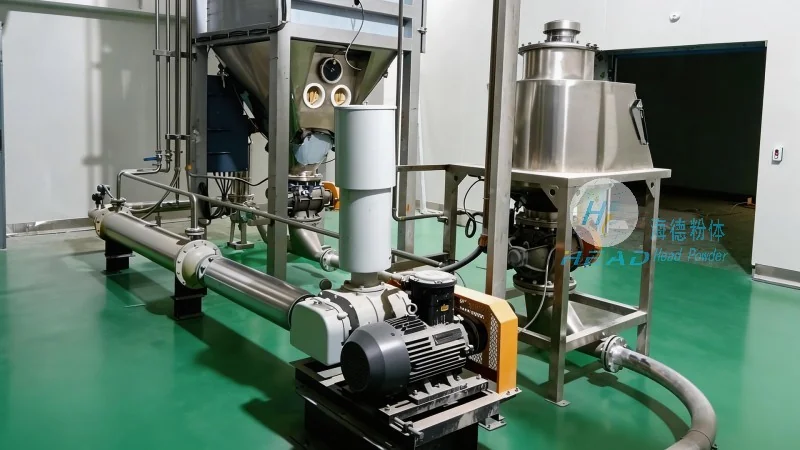
The design of the conveying pipeline is a key aspect of system performance. The pipeline diameter must be appropriately sized to balance air velocity and pressure drop. Excessive air velocity can cause material degradation or equipment wear, while insufficient velocity may lead to blockages or reduced throughput. For sodium chloride, which is a corrosive material in some applications, the pipeline material must be selected carefully. Stainless steel, particularly 316L, is commonly used due to its resistance to corrosion and abrasion. The pipeline should also be equipped with smooth, non-porous surfaces to minimize material buildup and ensure consistent flow. Additionally, the use of flexible connectors and expansion joints is recommended to accommodate thermal expansion and reduce stress on the system components.
Pressure Control and Energy Efficiency
Effective pressure control is crucial for maintaining system stability and optimizing energy use. The system must include pressure regulators, filters, and moisture separators to ensure that the air or gas used for conveying is clean and dry. Moisture in the conveying medium can cause material clumping or corrosion of the pipeline and equipment. The pressure control system should also be integrated with flow monitoring devices to adjust air volume in real-time, preventing over-pressurization or under-pressurization. Energy efficiency is another important consideration, as pneumatic conveying systems can be energy-intensive. Implementing variable frequency drives (VFDs) for the air compressors can help regulate air flow and reduce energy consumption, especially during periods of low demand. This not only lowers operational costs but also aligns with sustainability goals.
Material Handling and Safety Considerations
During the design phase, safety considerations must be prioritized to protect both personnel and equipment. The system should include safety valves and pressure relief devices to prevent over-pressurization, which could lead to pipeline rupture or equipment failure. Additionally, the use of explosion-proof components is recommended in environments where sodium chloride dust may accumulate, as it can be a fire hazard. Proper ventilation and dust collection systems should be integrated into the design to maintain a safe working environment. The system should also be equipped with monitoring sensors to detect blockages or pressure anomalies, allowing for immediate intervention to prevent system damage or material loss.
Integration with Process Systems
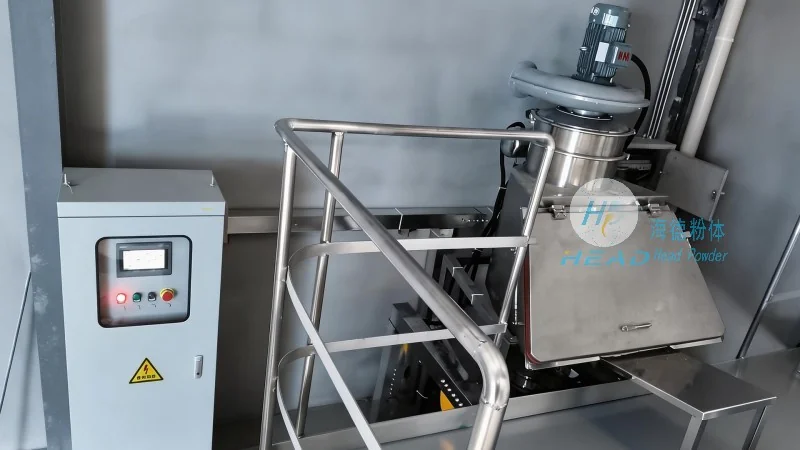
The pneumatic conveying system for sodium chloride should be integrated seamlessly with existing process systems to ensure smooth operation. This includes coordinating with feeders, storage silos, and discharge equipment to maintain a consistent flow of material. The system must be designed to handle variations in feed rate, such as from batch processing or changes in production volume. For example, if the system is connected to a storage silo, the conveying rate should be adjusted to match the silo's discharge capacity, preventing overfilling or underfilling. The integration should also consider the need for cleaning and maintenance, as regular system checks and component replacement are essential for long-term reliability.
Case Study: Application in the Chemical Industry
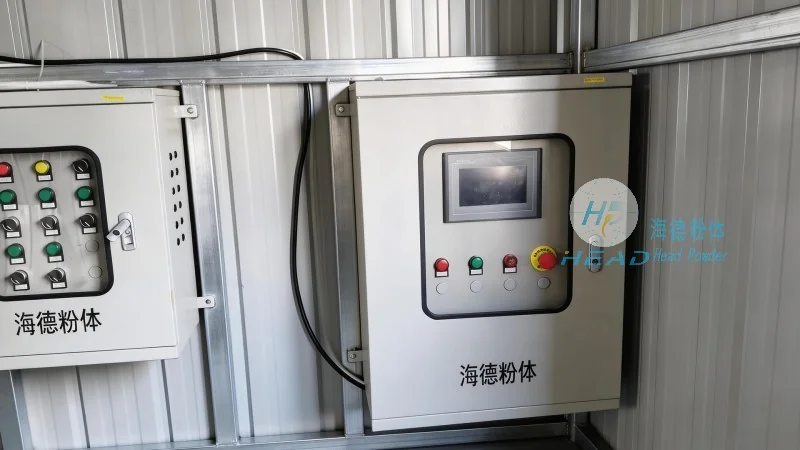
Shandong HeadPowder Engineering Co., Ltd., a leading provider of pneumatic conveying solutions, has successfully implemented a sodium chloride pneumatic conveying system for a chemical manufacturing plant. The system was designed to transport fine sodium chloride powder from a storage silo to a processing unit over a distance of 200 meters, with a required throughput of 10 tons per hour. The system utilized a dense phase conveying method with stainless steel pipelines and variable frequency drives to optimize energy efficiency. The design incorporated pressure control and moisture separation systems to ensure material quality and equipment longevity. The plant reported a 20% reduction in operational costs and a 15% increase in system reliability after the system was installed. This case study highlights the importance of proper system design and integration in achieving efficient and safe material handling for sodium chloride applications.
Conclusion
Designing a pneumatic conveying system for sodium chloride requires a comprehensive approach that considers material properties, system configuration, and operational requirements. By addressing key factors such as system selection, pipeline design, pressure control, and safety, engineers can develop a system that is efficient, reliable, and cost-effective. The integration of advanced technologies, such as variable frequency drives and real-time monitoring, further enhances system performance and sustainability. For organizations seeking to optimize their sodium chloride handling processes, partnering with experienced engineering firms like Shandong HeadPowder Engineering Co., Ltd. can provide the expertise and solutions needed to achieve successful system implementation and long-term operational success.




