When it comes to managing the transportation of ferrous sulfate in industrial processes, selecting the appropriate pneumatic conveying system is a critical decision that impacts operational efficiency, safety, and overall cost-effectiveness. Ferrous sulfate, commonly used in water treatment, agriculture, and chemical manufacturing, presents unique handling challenges due to its physical properties such as hygroscopic nature, potential for caking, and corrosive behavior. Traditional bulk material handling methods like belt conveyors or screw conveyors may struggle with these characteristics, leading to system downtime, product degradation, or increased maintenance costs. This article explores the key considerations and factors to evaluate when choosing a pneumatic conveying system tailored to ferrous sulfate applications, with insights from industry experts at Shandong HeadPowder Engineering Co., Ltd., a leading provider of specialized material handling solutions.
Understanding the Role of Pneumatic Conveying in Ferrous Sulfate Handling
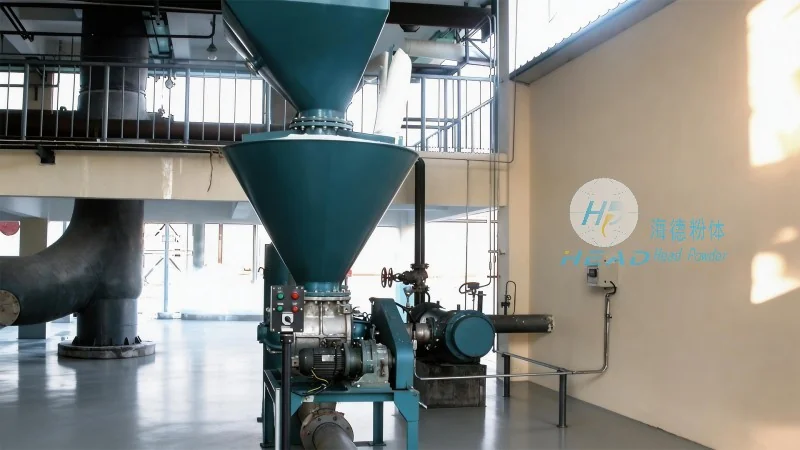
Pneumatic conveying systems utilize air or gas to transport bulk materials through a network of pipes, offering a flexible and efficient method for moving ferrous sulfate from storage to processing equipment, or between different stages of a production line. Unlike mechanical conveyors, which rely on physical contact with the material, pneumatic systems minimize product degradation, reduce contamination risks, and can handle materials with varying flow characteristics. For ferrous sulfate, which is often stored in bulk quantities and requires precise dosing or transfer to reactors, reactors, or packaging units, a well-designed pneumatic conveying system can enhance process control and ensure consistent material quality. The choice of system type—whether pressure or vacuum-based—depends on factors such as the distance between source and destination, the need for material containment, and the desired level of control over the conveying process.
Key Factors to Consider When Selecting a Ferrous Sulfate Pneumatic Conveying System
Choosing the right pneumatic conveying system for ferrous sulfate involves a comprehensive evaluation of several technical and operational factors. First, the physical properties of the material itself must be carefully analyzed. Ferrous sulfate is typically a fine to medium-grained powder with a hygroscopic tendency, meaning it can absorb moisture from the air and form lumps or clumps over time. This characteristic affects the material's flowability and can lead to blockages in the conveying system if not properly managed. Therefore, the system design must account for moisture control, such as using sealed storage and dry air for conveying, to maintain the material's integrity. Second, the required conveying distance and system pressure are critical. For short-distance transfers within a facility, a low-pressure or vacuum system may suffice, while longer distances or high-pressure applications may require a pressure system with higher air pressure to ensure reliable material transport. Third, the system's capacity and throughput must align with the production requirements. Ferrous sulfate is often used in large volumes, so the conveying system should be capable of handling the desired flow rate without causing excessive pressure drops or energy consumption. Fourth, material compatibility with the conveying equipment is essential. Ferrous sulfate is corrosive, so the selection of materials for components like pipes, valves, and filters must be made from corrosion-resistant materials such as stainless steel or specialized alloys to prevent degradation and ensure long-term system reliability.
Types of Pneumatic Conveying Systems for Ferrous Sulfate Applications
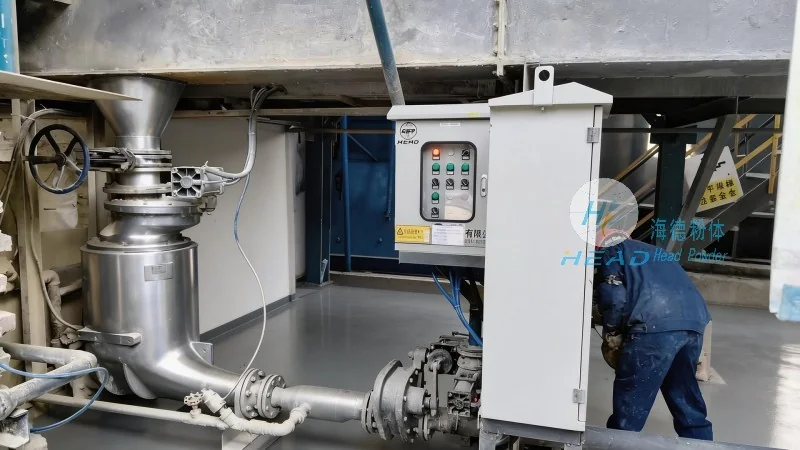
There are primarily two types of pneumatic conveying systems used in industrial settings: pressure systems and vacuum systems. Each type has distinct advantages and is suited to different ferrous sulfate handling scenarios. Pressure systems, also known as positive pressure systems, use compressed air to push the material through the pipeline. These systems are ideal for applications requiring high flow rates, long distances, or when the material needs to be conveyed from a lower to a higher elevation. They are commonly used in bulk material storage and processing plants where ferrous sulfate is transferred from silos or hoppers to processing equipment. Vacuum systems, or negative pressure systems, use suction to draw the material into the pipeline. This type of system is often preferred for short-distance transfers, when the material is to be collected from multiple points, or when the material is sensitive to pressure changes. For ferrous sulfate, which may be stored in multiple locations and needs to be consolidated into a central processing unit, a vacuum system can provide flexibility in material collection while maintaining the material's quality. Additionally, hybrid systems that combine both pressure and vacuum capabilities are available, offering versatility for complex handling requirements. The choice between these system types depends on the specific layout of the facility, the number of transfer points, and the overall operational goals.
Design Considerations for a Reliable Ferrous Sulfate Pneumatic Conveying System
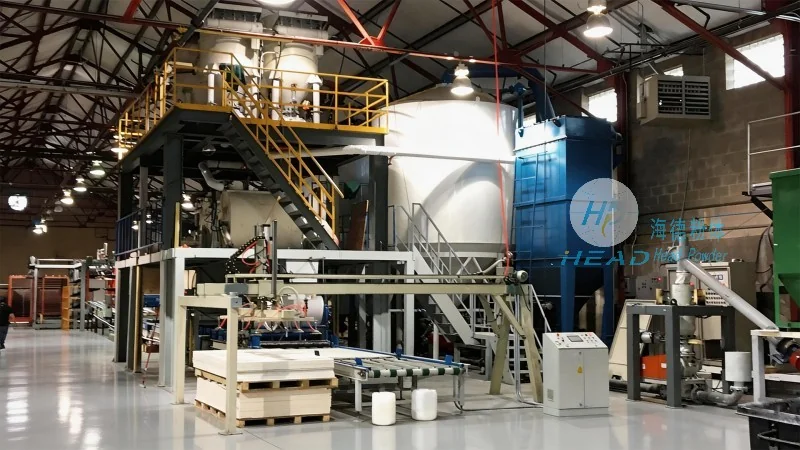
Once the system type is determined, several design aspects must be carefully considered to ensure the system operates efficiently and safely. First, the selection of pipeline materials is critical due to the corrosive nature of ferrous sulfate. Stainless steel, particularly 316L or higher-grade alloys, is commonly used for conveying lines as it resists corrosion and maintains the material's purity. The pipe diameter and wall thickness must be chosen based on the expected flow rate and pressure to avoid excessive pressure drops and ensure smooth material movement. Second, the design of the feeding and discharge equipment is essential for preventing blockages and maintaining system performance. Feeding devices such as rotary valves or star feeders are used to introduce the material into the pipeline at a controlled rate, preventing surges that could lead to clogging. Discharge equipment, such as rotary airlocks or slide gates, must be designed to handle the material's flow characteristics and prevent material buildup at the discharge point. Third, the inclusion of a dust collection and filtration system is necessary to maintain air quality and comply with environmental regulations. Ferrous sulfate is a fine powder, and during conveying, particles can be released into the air, posing health risks and requiring proper filtration to ensure safe operation. Fourth, safety features such as pressure relief valves, explosion-proof components, and emergency shut-off systems must be integrated into the design to protect personnel and equipment from potential hazards. These features are particularly important in industrial environments where ferrous sulfate may be handled in large quantities and at high pressures.
Case Studies and Real-World Applications
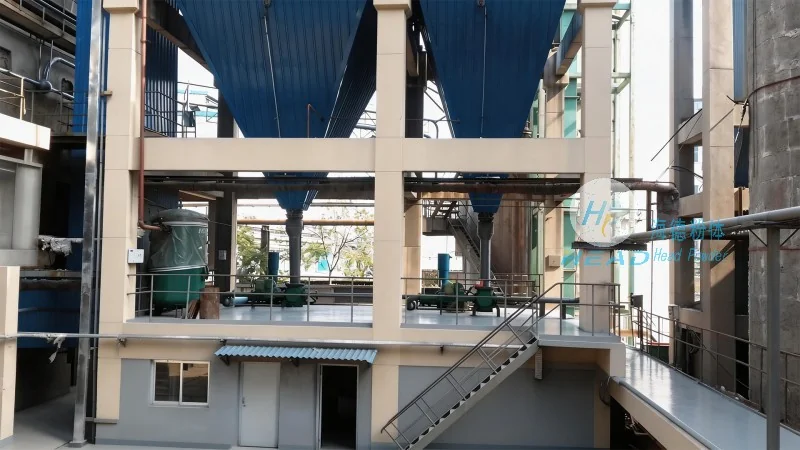
Shandong HeadPowder Engineering Co., Ltd., with its headquarters in Shandong, China, has extensive experience in designing and implementing pneumatic conveying systems for ferrous sulfate applications across various industries. One notable case study involves a water treatment facility that required the transfer of ferrous sulfate from bulk storage silos to a dosing system for water purification. The facility faced challenges with material caking and blockages in traditional conveyor systems, leading to frequent downtime and inconsistent dosing. By implementing a pressure pneumatic conveying system with stainless steel pipelines and rotary airlocks, the facility achieved a 90% reduction in downtime and improved dosing accuracy. Another application involved an agricultural chemical manufacturer that needed to transfer ferrous sulfate from a production line to packaging units over a distance of 200 meters. A vacuum system with a custom-designed filter and dust collection unit was installed, allowing for efficient material transfer while maintaining product quality and meeting environmental standards. These examples highlight the effectiveness of tailored pneumatic conveying solutions in addressing the unique challenges of ferrous sulfate handling and enhancing operational performance.
Conclusion: Making an Informed Decision for Ferrous Sulfate Pneumatic Conveying
Selecting the right pneumatic conveying system for ferrous sulfate is a decision that requires careful consideration of material properties, operational requirements, and system design. By evaluating factors such as material flowability, conveying distance, system pressure, and equipment compatibility, industrial facilities can choose a system that maximizes efficiency, minimizes downtime, and ensures product quality. Shandong HeadPowder Engineering Co., Ltd. offers specialized expertise in designing and manufacturing pneumatic conveying systems tailored to ferrous sulfate applications, leveraging years of experience and advanced engineering solutions to meet the diverse needs of clients. Whether a facility requires a pressure system for long-distance transfers or a vacuum system for short-distance collection, the key is to select a system that aligns with the specific handling requirements and operational goals. With the right system in place, ferrous sulfate can be transported safely and efficiently, contributing to improved productivity and cost savings in industrial processes.




